
Panama City is a dynamic metropolis of thrilling, vibrant contrasts. It is the only place in the world where you can watch massive global cargo ships transit an engineering wonder of the world in the morning, hike through dense, toucan-filled rainforests in the afternoon, and sip world-class cocktails on the rooftop of a 300-year-old Spanish colonial ruin by night. Often called the "Dubai of the Americas," the city's glittering coastal skyline quickly gives way to the meticulously restored historic district of Casco Viejo. Whether you are coming to witness the majestic Panama Canal, dive into a booming culinary scene, or use it as a launchpad for remote tropical islands, Panama City delivers a highly cosmopolitan, equatorial adventure.
Flight Hub
Tocumen Intl (PTY)
Best Time
Jan-Apr (Dry Season)
Stay Style
Restored Colonial Boutiques
Vibe
Cosmopolitan & Historic
"Panama City is the ultimate crossroads. It is a place where North meets South, where the Pacific meets the Atlantic, and where a relentless march toward the future is anchored beautifully by deep colonial roots."
Panama City captures the imagination because it defies the standard Central American capital stereotype. It is a highly developed, booming financial hub draped in heavy tropical greenery. The historic district, Casco Viejo, is a UNESCO World Heritage site that has undergone a massive renaissance, blending crumbling, vine-covered facades with world-class boutique hotels, high-end gastronomy, and chic art galleries.
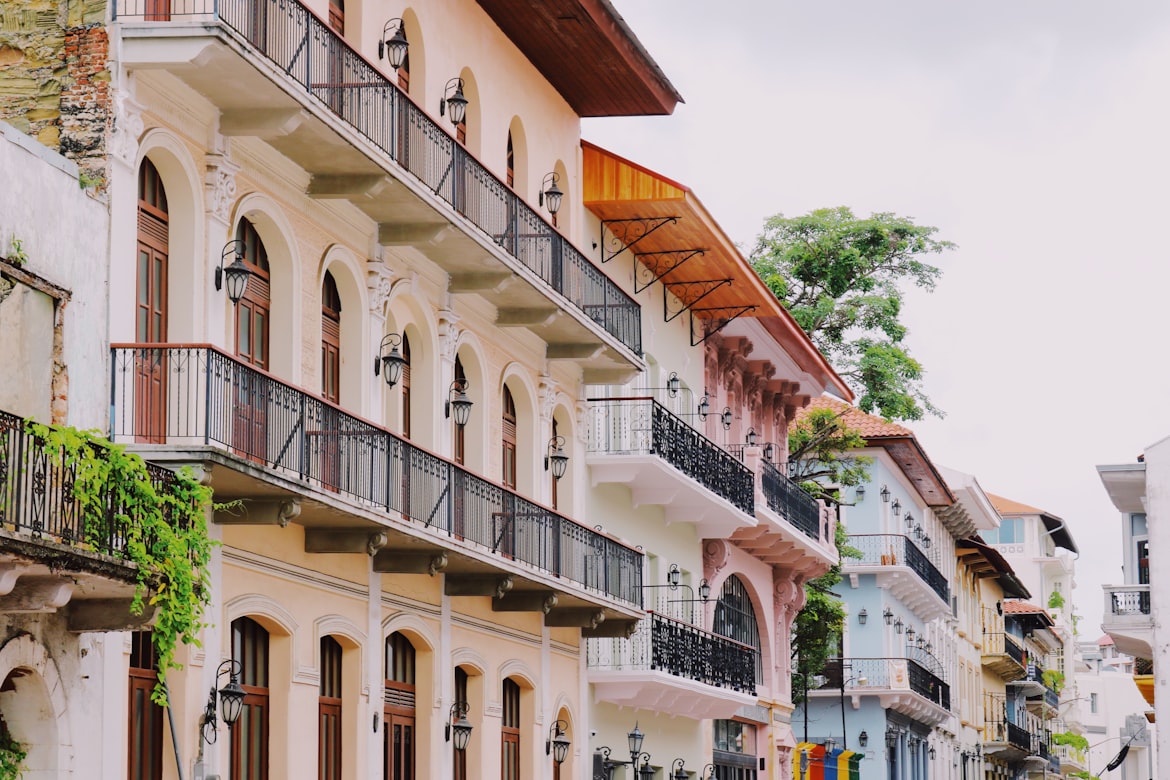
Beyond the incredible food and nightlife, the city is a paradise for biodiversity. It is the only capital city in the world that has a tropical rainforest (Metropolitan Natural Park) within its city limits. You can easily spot wild sloths, howler monkeys, and exotic birds just a 10-minute taxi ride from downtown skyscrapers.
Who should skip it? If your primary goal is to step off an airplane and immediately lie on a pristine, remote white-sand beach with a piña colada, the city itself will not fulfill that fantasy. While the ocean is ever-present, the city's bay is not meant for swimming. To find untouched beaches, you must use Panama City as a transit point to reach the San Blas Islands or Bocas del Toro.
Panama sits just nine degrees north of the equator, meaning temperatures stay consistently hot (around 30°C) year-round. Your travel experience will be entirely dictated by the rain.
The Dry Season / Verano (Mid-December to April): This is the premium window for visiting. The skies are reliably blue, the trade winds blow in to cool the coastal avenues, and rain is incredibly rare. It is the perfect weather for rooftop hopping in Casco Viejo, exploring the Amador Causeway by bicycle, and taking boat tours on Lake Gatun.
The Wet Season / Invierno (May to November): The green season brings intense humidity and daily thunderstorms. However, it rarely rains all day; typically, you will experience a dramatic, torrential downpour for an hour in the mid-afternoon, followed by clear skies. The jungle becomes vibrantly green during these months, and hotel prices drop significantly.
⚠️ Important Weather Notice: The "Fiestas Patrias"
November is the wettest month of the year, but it is also the month of Panama's "Fiestas Patrias" (National Holidays). Throughout November, the city effectively shuts down for multiple days of intense patriotic celebrations, parades, and marching bands. While culturally fascinating, many businesses close, and navigating the city can be complicated.
Panama City is noticeably more expensive than its Central American neighbors, functioning closer to Miami or international hub pricing, though deep value can still be found. The official currency is the Balboa, but it is pegged 1:1 to the US Dollar, and actual US paper currency is used everywhere.
Budget Backpacker
Hover or Tap for Details 🔄
Budget Breakdown
Casco Viejo hostel dorms & boutique shared spaces
Fondas (local cafeterias) & fresh fish at Mercado de Mariscos
Mid-Range Explorer
Hover or Tap for Details 🔄
Mid-Range Breakdown
Modern high-rise hotels in Obarrio or small Casco boutiques
Trendy fusion bistros, craft cocktail bars, & Uber transport
Luxury Seeker
Hover or Tap for Details 🔄
Luxury Breakdown
5-Star restored colonial mansions with private rooftop pools
Exclusive tasting menus, Geisha coffee experiences, & private tours
To frame this realistically: a massive, casual cup of fresh sea bass ceviche with a cold local Balboa beer at the seafood market will run you about $5.00 USD. Conversely, dining at an internationally acclaimed chef's restaurant in Casco Viejo, complete with imported wines and modern Panamanian gastronomy, will range from $60 to $120 USD per person.
Tocumen International Airport (PTY) is the "Hub of the Americas," operating as Copa Airlines' massive base. It is arguably the best-connected airport in all of Latin America.
Arrival Logistics: Tocumen is located about 24 kilometers from downtown. The new Metro Line 2 now connects directly to the airport, making it incredibly cheap and efficient to reach the city. Alternatively, official airport taxis and Uber are heavily utilized, with rides downtown taking 30 to 45 minutes depending on notorious local traffic.
City Transit: Do not hail yellow cabs off the street; they do not use meters, and haggling as a tourist is often a losing battle. Uber is extremely cheap, safe, and reliable here. For longer distances, Panama City boasts the only Metro rail system in Central America—it is modern, air-conditioned, spotless, and costs less than 50 cents a ride.
Navigating on Foot: Walking is wonderful inside Casco Viejo and along the Cinta Costera (the coastal beltway), but Panama City's modern financial district is decidedly not pedestrian-friendly. Sidewalks end abruptly, and crosswalks are rare. Rely on Uber when moving between major neighborhoods.
Your neighborhood choice radically alters your perception of the city, deciding whether you experience a tropical colonial romance or a high-rise corporate metropolis.

Casco Viejo (The Historic & Trendy Hub): Without question, the best place for leisure travelers to stay. The 17th-century cobblestone streets are entirely walkable and packed with the city's best coffee shops, boutique hotels, and nightlife. It is safe, highly atmospheric, and heavily policed.
• Mid-Range Stay: Central Hotel Panama
• Luxury Stay: American Trade Hotel or Sofitel Legend
Obarrio & El Cangrejo (The Modern Downtown): If you prefer high-rise luxury, massive swimming pools, and sweeping views of the skyline, this is your area. It’s the bustling business and commercial heart of the city, heavily influenced by Miami architecture. El Cangrejo offers a slightly more bohemian, residential feel with great international restaurants.
• Mid-Range Stay: Bristol Panama
• Luxury Stay: W Panama
Amador Causeway (The Quiet Ocean Retreat): A strip of land built using rocks excavated from the Panama Canal. It juts out into the Pacific Ocean, offering spectacular skyline views and cool ocean breezes. It is extremely quiet, very safe, and great for families, though slightly removed from the nightlife.
• Island Stay: The Buenaventura Golf & Beach Resort (Outside City)
This route balances the heavy engineering history of the Canal with the city's lush biodiversity and cosmopolitan culinary flair.
Day 1: Colonial Ruins, Plazas, and Rooftop Horizons
• Morning: Settle into your Casco Viejo hotel. Grab a pour-over of world-famous Panamanian Geisha coffee and wander the cobblestone streets, admiring the Metropolitan Cathedral and the ruins of the Santo Domingo convent.
• Afternoon: Walk the beautifully landscaped Cinta Costera as the sun begins to set, watching the skyline light up along the Pacific.
• Evening: Hit the rooftops. Book a table at a high-elevation Casco Viejo lounge to enjoy tropical cocktails and DJ sets with the glittering city skyline as your backdrop.
Day 2: The Engineering Marvel and Ocean Causeways
• Morning: Take an Uber straight to the Miraflores Visitor Center at the Panama Canal. Arrive early to watch massive Neo-Panamax ships being raised and lowered through the lock system. It is a mesmerizing feat of human engineering.
• Afternoon: Head to the Amador Causeway. Rent a bicycle and ride along the palm-lined ocean path connecting three small islands, stopping for a cold beer and views of ships waiting to enter the canal.
• Evening: Dine at the Mercado de Mariscos (Seafood Market). Sit outside on plastic chairs, ordering mountains of fresh garlic shrimp, fried plantains, and cups of octopus ceviche.

Day 3: Urban Jungles and Panoramic Hikes
• Morning: Wake up early to hike Cerro Ancon (Ancon Hill). The paved road winds up to the highest point in the city, offering 360-degree views. Look into the trees—it is highly likely you will spot wild sloths, agoutis, and toucans along the way.
• Afternoon: Visit the Frank Gehry-designed Biomuseo on the Amador Causeway. Its crumpled, brightly colored roof houses incredible exhibits explaining how the Isthmus of Panama rose from the ocean to connect the Americas and change global biodiversity.
• Evening: Experience high-end Panamanian gastronomy in Casco Viejo, where chefs are blending traditional indigenous ingredients with modern fine-dining techniques.
Day 4: Jungle Boat Safari to Monkey Island
• All-Day Excursion: Escape the concrete by booking a boat tour onto Lake Gatun, the massive artificial lake that forms the heart of the Panama Canal. Cruise past massive cargo ships to reach "Monkey Island," where capuchins, howlers, and tamarins will literally jump onto your boat looking for fruit.
Day 5: The First City and High-End Farewell
• Morning: Take a taxi to Panama Viejo, the archaeological ruins of the original 16th-century city that was famously sacked and burned by the pirate Captain Henry Morgan in 1671. Walk among the stone bell tower and ruined convents.
• Afternoon: Indulge in some luxury shopping at the massive Multiplaza Pacific Mall, or relax by your hotel pool to beat the afternoon humidity.
• Evening: Enjoy a final, elegant dinner in the banking district before hopping to a salsa club to dance away your final night in the Hub of the Americas.
To escape the primary tourist traffic, dig slightly deeper into the city's lush fringes.
Metropolitan Natural Park: While many tourists do Ancon Hill, they miss this massive 573-acre tropical forest located right inside the city limits. It offers well-marked hiking trails that feel completely removed from civilization, providing some of the best bird-watching and wildlife spotting opportunities in Central America.
Mi Pueblito: Situated at the base of Ancon Hill, this life-sized replica village features three distinct architectural styles representing Panama's cultural roots: Spanish colonial, Afro-Caribbean, and indigenous. It’s rarely crowded and offers a fantastic, photogenic crash course in Panamanian heritage.
Panamanian cuisine is a rich, satisfying blend of Afro-Caribbean, Spanish, and indigenous influences, relying heavily on root vegetables, fried plantains, fresh seafood, and rich stews.
Sancocho: The absolute national comfort food of Panama. It is a hearty, slow-cooked chicken soup made with ñame (a starchy local root vegetable), yuca, and heavily seasoned with culantro (a stronger, earthier cousin of cilantro). It is traditionally eaten with a side of white rice and is famously touted as the ultimate hangover cure.
Ceviche Panameño: Unlike Peruvian ceviche, which is lightly marinated to order, Panamanian ceviche is cured for a much longer time in lime juice, heavily chopped onions, and spicy aji chombo peppers. It is traditionally served in styrofoam cups at the fish market with saltine crackers.
Geisha Coffee: While not a meal, it is a culinary necessity. Panama produces Geisha coffee, frequently auctioned as the most expensive coffee bean in the entire world. Seek out a specialty coffee lab in Casco Viejo for a dedicated pour-over tasting to experience its famous floral, tea-like notes.
Panama City is modern and cosmopolitan, but it is deeply Latin American. Navigating the social nuances will make your trip infinitely smoother.
Dress for the Metropolis, Not the Beach: Panamanians take great pride in their appearance and tend to dress smartly. While shorts and flip-flops are fine on the Amador Causeway or the islands, wearing them into nice restaurants, banks, or corporate areas in the city is frowned upon. Pack lightweight, neat clothing for evening dinners.
The Borderlands of Casco Viejo: Casco Viejo is heavily gentrified, filled with tourist police, and very safe to walk around at night. However, it borders the neighborhood of El Chorrillo, which remains notoriously rough. Do not wander past the boundaries of the historic district at night; if you are unsure, simply take an Uber.
Patience with the "Tranque": Traffic (known locally as the "tranque") in Panama City can be legendary, particularly when it rains. Build extra time into your schedule if you are traveling across the city during rush hour, and practice patience—it is simply a fact of local life.
Packing for Panama requires preparing for intense equatorial sun, heavy air-conditioning, and the ever-present possibility of tropical rain.
• A Sturdy Travel Umbrella & Light Rain Jacket: Essential year-round, but absolutely mandatory if traveling during the wet season. Downpours are sudden and intense.
• Moisture-Wicking, Breathable Clothing: The humidity can be punishing. Pack technical fabrics or ultra-light cotton/linen to stay comfortable.
• A Light Sweater or Pashmina: Panamanian malls, Ubers, and modern restaurants blast their air-conditioning to freezing temperatures to combat the outside heat.
• Crisp US Dollars: Small bills ($1, $5, $10, $20) are king. Vendors often cannot break $50 or $100 bills, and ripped or heavily worn currency will be rejected.
• Comfortable Walking Shoes: Crucial for navigating the uneven brick and cobblestone streets of Casco Viejo without twisting an ankle.
Ready to Experience the Crossroads of the World? 🧳
Don't miss out on our exclusive Casco Viejo boutique stays, private Canal transits, and bespoke jungle boat tours. Plan your dream Panamanian getaway today.
Unlock Exclusive Offers