Just a two-hour fast boat ride from the grinding traffic and commercial saturation of mainland Bali lies a micro-archipelago that promises an entirely different Indonesian reality. The three Gili Islands—Trawangan, Meno, and Air—sit close enough to one another that you can easily swim the gaps in theory (though deadly currents make this strictly prohibited). Yet, despite their proximity, a stark fragmentation of travel culture has occurred here. Each island has incubated a highly distinct personality, catering to vastly different demographics. Booking Trawangan for a quiet honeymoon, or Meno for an energetic group trip, is the single most common, and costly, mistake travelers make. This dispatch conducts a ground-level audit of all three islands, cutting through the uniform Instagram aesthetics to reveal the distinct infrastructure, nightlife, and marine realities of each.
The Party Hub
Gili Trawangan (Gili T)
The Balanced Pick
Gili Air
The Seclusion Pick
Gili Meno
Infrastructure
Zero Motorized Vehicles
"The Gilis operate on a highly specific spectrum. You are either seeking the relentless bass of a beachfront DJ, the quiet clinking of wine glasses at a yoga retreat, or the absolute silence of a deserted shoreline. Choose your coordinates carefully."
Before diving into the differences, it is crucial to understand the one operational law that binds all three islands: the total ban on motorized vehicles. There are no cars, no ride-hailing apps, and no roaring scooters.
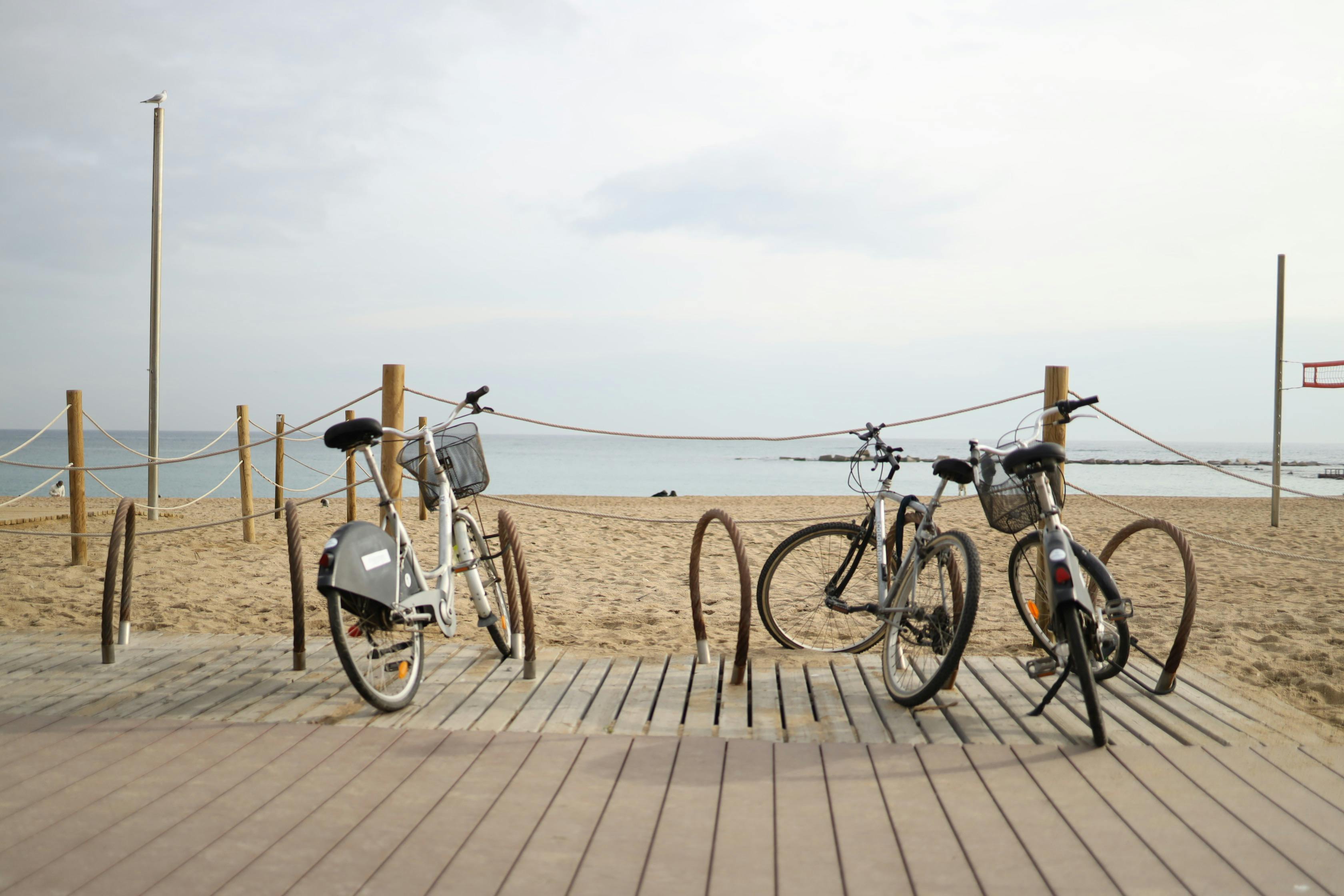
Transportation is limited exclusively to walking, renting a fat-tire bicycle (essential for navigating the sandy inland paths), or hiring a traditional horse-drawn cart known as a Cidomo. This creates an immediate, pervasive sense of calm the moment you step off the ferry, replacing the chaotic exhaust fumes of Bali with the sound of ocean waves and bicycle bells. However, it also means you must be strategic about your luggage—dragging a 60-pound rolling suitcase through unpaved sand to reach your boutique villa is a brutal initiation to island life.
Gili Trawangan is the largest, most populated, and aggressively developed of the three. It is the undisputed epicenter of tourism in the region, operating as a magnet for backpackers, solo travelers, and dive enthusiasts.
The Vibe: High energy. The eastern coastline is a densely packed strip of Irish pubs, reggae bars, massive PADI dive centers, and beach clubs. By night, this strip transforms into a thumping, chaotic party zone. It is also famous for its informal tolerance of "magic mushroom" shakes, openly advertised on chalkboards along the main drag (despite Indonesia's otherwise draconian drug laws).
Who is it for? If you want to dive by day, eat at a bustling night market for dinner, and drink heavily with an international crowd until 3:00 AM, this is your island.
The Hack: If you want the infrastructure of Gili T but hate the noise, book a villa on the Western side of the island. It is a 15-minute bike ride away from the chaos, offering serene sunset views over Mount Agung in Bali, and near absolute silence at night.
Because virtually everything must be imported by boat from mainland Lombok or Bali, costs on the Gilis run about 15% to 20% higher than mainland Indonesia. Here is the ground-level financial breakdown:
Budget Backpacker
Hover or Tap for Details 🔄
Budget Breakdown
Inland Hostel Dorms (Gili T / Air)
Night market skewers & Nasi Goreng warungs
Mid-Range Explorer
Hover or Tap for Details 🔄
Mid-Range Breakdown
Private boutique bungalows with AC
Beachfront cafes, smoothie bowls & sunset cocktails
Luxury Seeker
Hover or Tap for Details 🔄
Luxury Breakdown
Private walled pool villas on the West Coast
Imported steaks, fine wines, and private charters
Geographically positioned closest to the Lombok mainland, Gili Air has successfully managed to thread the needle between development and tranquility. It is universally regarded by travel analysts as the most balanced island of the three.
The Vibe: Bohemian and sophisticated. While it lacks the massive, raging nightclubs of Gili T, it features an excellent array of aesthetic beachfront cafes, high-quality yoga studios, and laid-back acoustic bars. You can easily find a fantastic espresso, reliable fiber-optic Wi-Fi for remote work, and a wood-fired pizza, but you won't be kept awake by pounding techno music at 2:00 AM.
Who is it for? Couples, families, and digital nomads seeking a highly comfortable, barefoot-luxury aesthetic without the chaos of a frat party. It offers exactly enough infrastructure so you never get bored, but retains a distinct, sleepy island charm.
Sandwiched directly in the middle of Trawangan and Air lies Gili Meno. It is the smallest, least populated, and drastically least developed island in the chain.
The Vibe: Absolute isolation. The interior of the island features a dormant saltwater lake and scattered, hyper-local infrastructure. At night, the island effectively shuts down. There is no party scene, limited restaurant variety, and very few tourists walking the sandy paths.
Who is it for? Honeymooners, older couples, and travelers actively trying to unplug from the modern world. If your goal is to read a book under a palm tree in absolute silence for three days, Meno is paradise. If you require constant stimulation and variety, you will suffer from severe cabin fever within 24 hours.
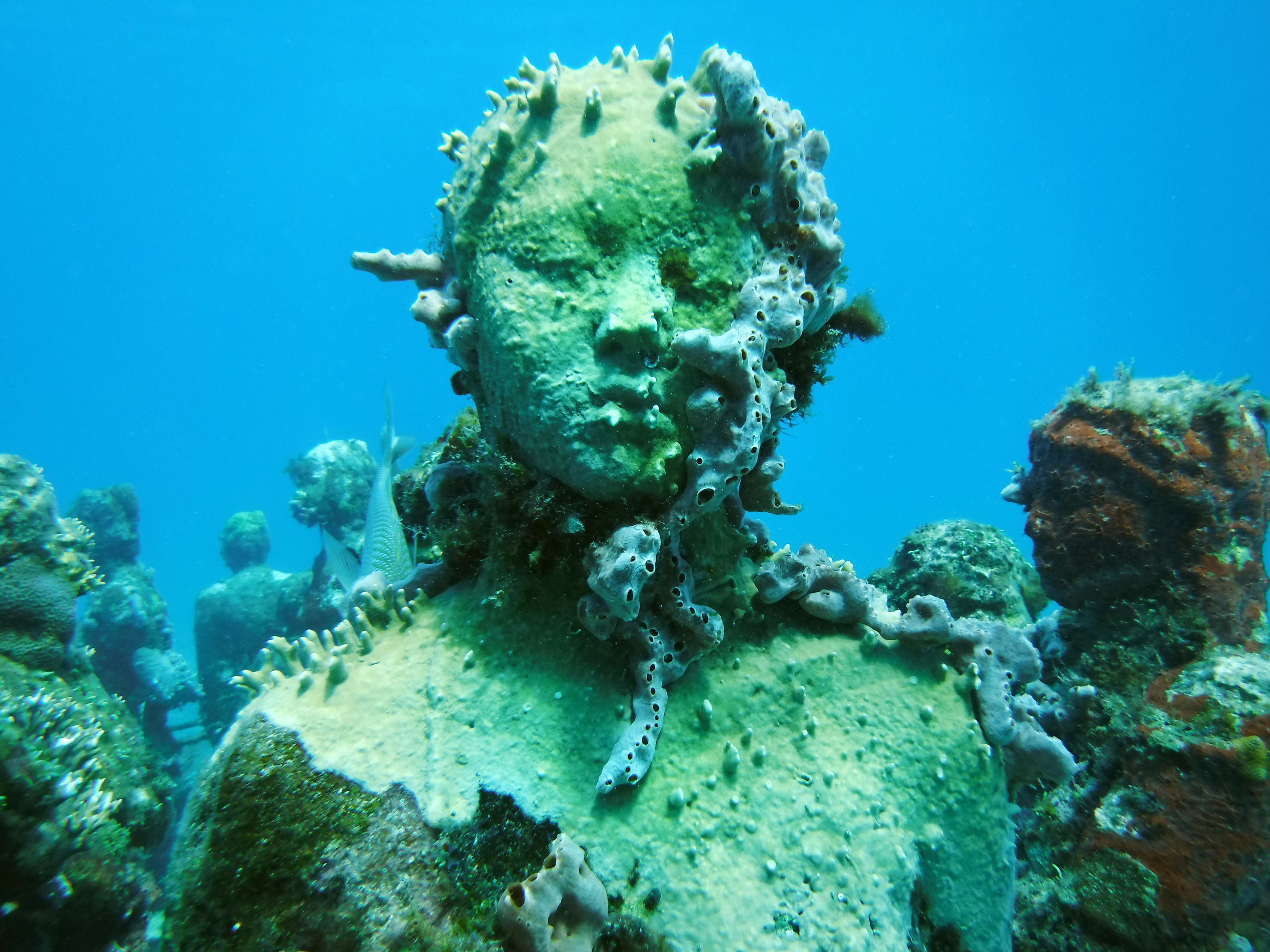
The Draw: Meno is home to the most famous snorkeling site in the region: The Nest by Jason deCaires Taylor. This underwater circle of 48 life-sized human statues is a mesmerizing artificial reef, though you will have to share it with dozens of glass-bottom boats arriving from the other two islands during midday peaks.
Operating a tourism economy on tiny, sandy islands presents immense logistical and ethical challenges. Travelers must manage their expectations regarding island infrastructure.
⚠️ Ethical Notice: The Cidomo Horse Carts
The treatment of the working ponies pulling the Cidomo carts is a highly controversial topic. While local charities like Gili Eco Trust have made massive strides in improving veterinary care, nutrition, and load limits, seeing the small horses hauling tourists and heavy goods in the tropical heat can be distressing. If you are able-bodied, we strongly advocate walking or renting a bicycle to reach your hotel, minimizing the burden on the animals.
Fresh Water: There is no natural freshwater source on the islands. Water is either shipped in or processed via local desalination plants. The tap water in your hotel will likely be slightly saline (salty) and should absolutely never be consumed. Showering in slightly salty water is an unavoidable reality of the Gili experience.
Mosques & Call to Prayer: Remember that unlike Hindu-majority Bali, the neighboring island of Lombok and the Gilis are predominantly Muslim. There are active mosques on all three islands. The Call to Prayer occurs five times a day, beginning before dawn, broadcast over loudspeakers. If you are a light sleeper, pack high-quality earplugs or ensure your hotel is located well away from the village center.
Frequently Asked Questions
Yes, it is highly accessible. Public 'island hopper' boats run twice daily (morning and afternoon) connecting Trawangan, Meno, and Air for a few dollars. Alternatively, you can charter a private glass-bottom boat at any time for a higher, negotiated fee.
All three islands share the exact same marine park and dive sites. However, Gili Trawangan operates as the logistical hub, boasting the highest density of 5-star PADI dive centers and technical training facilities.
Correct. By local ordinance, motorized vehicles are strictly banned across all three islands. Transport is limited exclusively to bicycles, walking, and traditional horse-drawn carts known as Cidomos.
The most common route is a high-speed ferry from Padang Bai harbor in eastern Bali, which takes roughly 1.5 to 2 hours. Be warned: the Lombok Strait can be exceptionally rough during the July and August swell seasons.
Gili Trawangan and Gili Air have multiple reliable ATMs and fiber-optic Wi-Fi in modern cafes. Gili Meno has fewer ATMs (which frequently run out of cash) and less reliable internet infrastructure, so bring adequate cash before arriving.
Lock In Your Island Reality 🧳
Don't wait until the high season peak. Compare fast boat transfers and secure the best boutique villas before they sell out.
Book Fast Boat Transfers Compare Island Villas