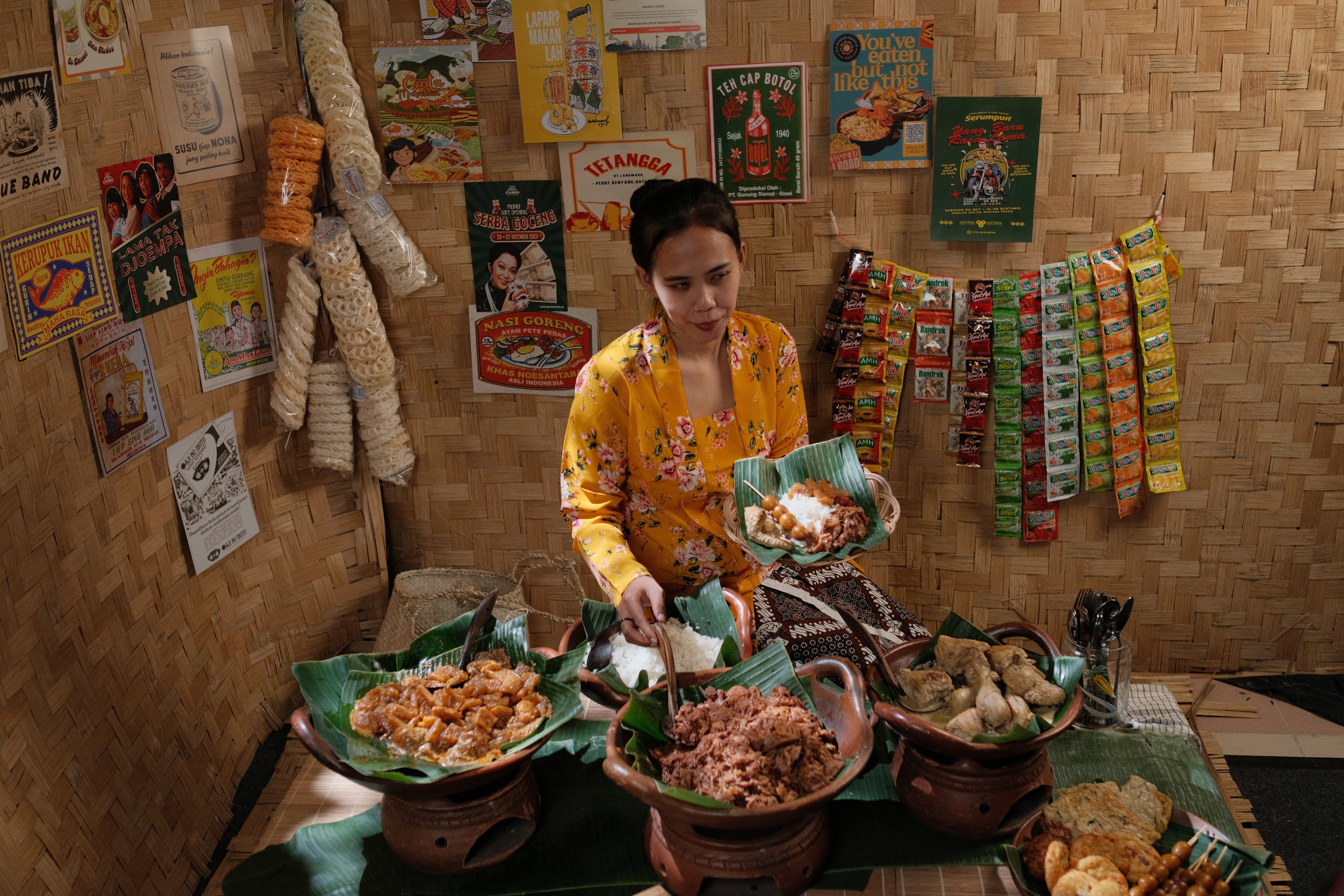
In the hyper-gentrified tourist bubbles of Canggu, Seminyak, or central Jakarta, it is alarmingly easy to hemorrhage cash on $15 avocado toasts and $5 oat milk lattes. But just one street over from the air-conditioned cafes lies the actual economic engine of Indonesia's culinary scene: the warung. A warung is a small, family-run food stall that serves as the neighborhood dining room for millions of Indonesians. It is here that a genuinely full meal—steaming rice, spiced vegetables, and complex proteins—regularly costs less than a bottle of imported water. However, for a foreign traveler, crossing the threshold of a traditional warung requires navigating a specific set of unwritten logistical rules. This dispatch breaks down the mechanics of the "point-and-pay" system, audits the real cost of a local diet, and explains how to eat immaculately for under five dollars without compromising your stomach.
The Format
Nasi Campur (Point-and-select)
The Baseline
Under $3 (Rp 45,000) for a full plate
The Friction
Cash only, zero English menus
The Strategy
Follow the local lunch queues
"A true neighborhood warung meal costs less than an espresso in a tourist district and is, more often than not, a vastly superior culinary experience. You just have to know how to point."
The word "warung" is casually slapped onto the names of fancy Westernized restaurants in Bali to feign authenticity. A real warung (often a Warung Tegal or Warteg) is a modest, open-air stall. It is not a restaurant; it is a micro-economy.
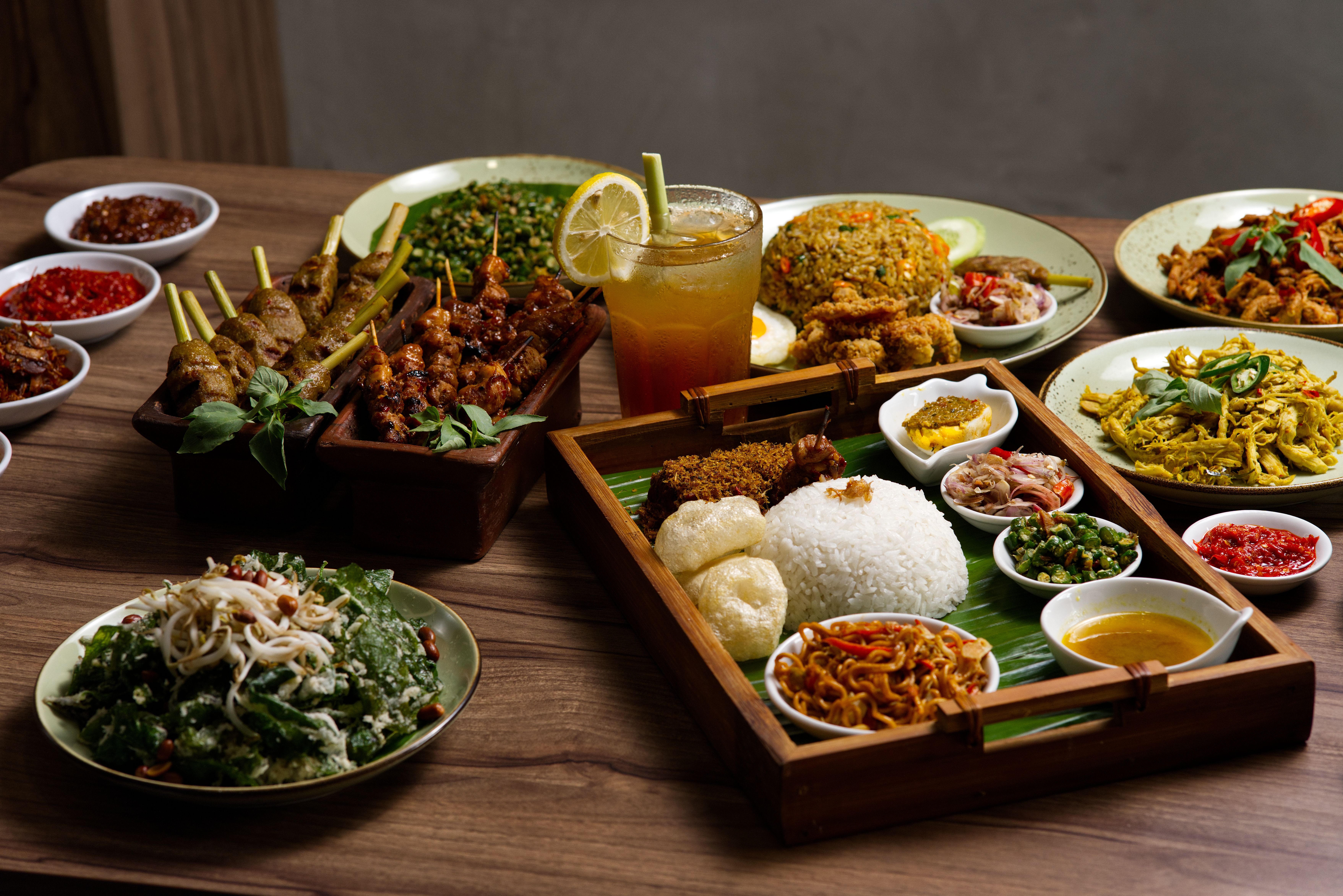
There are no printed menus. Instead, a glass display case separates you from 15 to 30 metal trays containing pre-cooked dishes. These range from Rendang (slow-cooked beef in coconut milk) and Ayam Goreng (fried chicken) to sautéed morning glory, caramelized tempeh, and boiled cassava leaves. The setup is designed for sheer efficiency and high volume, feeding local workers, students, and families on their lunch breaks.
The standard entry point for any traveler is Nasi Campur, which literally translates to "mixed rice." The ordering process is entirely visual and requires zero Indonesian language skills.
The Workflow:
1. Walk up to the glass and say "Nasi putih" (white rice) or "Nasi kuning" (yellow rice). The server will put a scoop on a wax-paper-lined woven plate.
2. Point to the dishes you want. Do not ask for large servings; the system rewards variety. Point to a vegetable, a protein (egg, chicken, or tempeh), and a crunch element (krupuk/crackers).
3. They will ask "Sambal?" (chili paste). If you have a low spice tolerance, say "Sedikit" (a little) or "Tidak" (no).
4. Sit down and eat. You pay after you finish. The owner simply looks at your plate, does mental math based on the specific items you chose, and tells you the total.
How does the pricing actually break down? We audited the real-time costs of three distinct food tiers across Indonesia (prices converted to USD equivalent).
Kaki Lima (Street Cart)
Hover or Tap for Details 🔄
Budget Breakdown
A bowl of Bakso (meatball soup) or Nasi Goreng (fried rice) cooked to order on a mobile cart.
Zero seating. You eat on a plastic stool on the sidewalk. Maximum local authenticity.
Local Warung (Warteg)
Hover or Tap for Details 🔄
Mid-Range Breakdown
Nasi Campur: Rice, fried chicken, egg, sweet tempeh, morning glory, and an Es Teh (iced tea).
Point-and-pay system. Shared wooden tables, overhead fans. The ultimate cost-to-flavor ratio.
Tourist "Warung"
Hover or Tap for Details 🔄
Luxury Breakdown
A plated, westernized version of Nasi Goreng with a flat white coffee or a smoothie.
Air conditioning, English menus, 15% tax/service charge added. Built strictly for tourists.
Google Maps and TripAdvisor are effectively useless for finding the best neighborhood warungs. The best spots do not have social media managers.
The Journalist's Playbook: Look for the Gojek/Grab (local Uber equivalent) drivers. If there are five green motorcycle jackets parked outside a warung at 12:00 PM, that is where you eat. Drivers know the local economy better than anyone; they only eat where the turnover is high, the food is fresh, and the price is fair.
The number one hesitation travelers have regarding warungs is the dreaded "Bali Belly." While food poisoning is a risk anywhere, it is highly manageable if you follow basic economic logic.
⚠️ Logistical Notice: The Rule of Time & Turnover
Warungs cook their food in the morning and leave it in the glass display case all day. They do not use heat lamps. Therefore, the safest and most delicious time to eat is between 11:30 AM and 1:00 PM, just after the food is cooked. Eating at a quiet warung at 4:30 PM means you are eating food that has been sitting at room temperature in a tropical climate for five hours. Always eat at peak volume times.
The Cash Reality: You cannot pay with Apple Pay or a Visa card. Warungs rely on small change. Handing a Rp 100,000 note (about $6.50) to a vendor for a Rp 25,000 meal often drains their entire float of change. Always break your large ATM notes at a minimart (Alfamart/Indomaret) and carry Rp 10,000 and Rp 20,000 notes for warung dining.
Frequently Asked Questions
Generally, yes, if you follow the golden rule of volume: only eat at busy stalls with high local turnover. The food sits in a glass display, so it is crucial to visit during peak lunch hours (11:30 AM to 1:00 PM) when the food is freshly cooked and hot, rather than late afternoon.
Almost never. Warungs operate on a strict cash-only micro-economy. You must carry small Indonesian Rupiah denominations (Rp 10,000, Rp 20,000, and Rp 50,000 notes). Handing a Rp 100,000 note for a Rp 15,000 meal will often result in the owner having to run down the street for change.
Highly. Indonesia is the birthplace of tempeh. You can easily point to rice, sayur (vegetables), tempeh manis (sweet glazed tempeh), and tahu (tofu) for a fully vegan, protein-heavy meal. However, be aware that cross-contamination with meat utensils is common in the display window.
Dive Deeper into the Local Scene 🌶️
Skip the tourist traps. Connect with expert local guides for authentic street food tours, and book vetted stays right near the best culinary neighborhoods.
Find Local Food Tours Check Neighborhood Stays