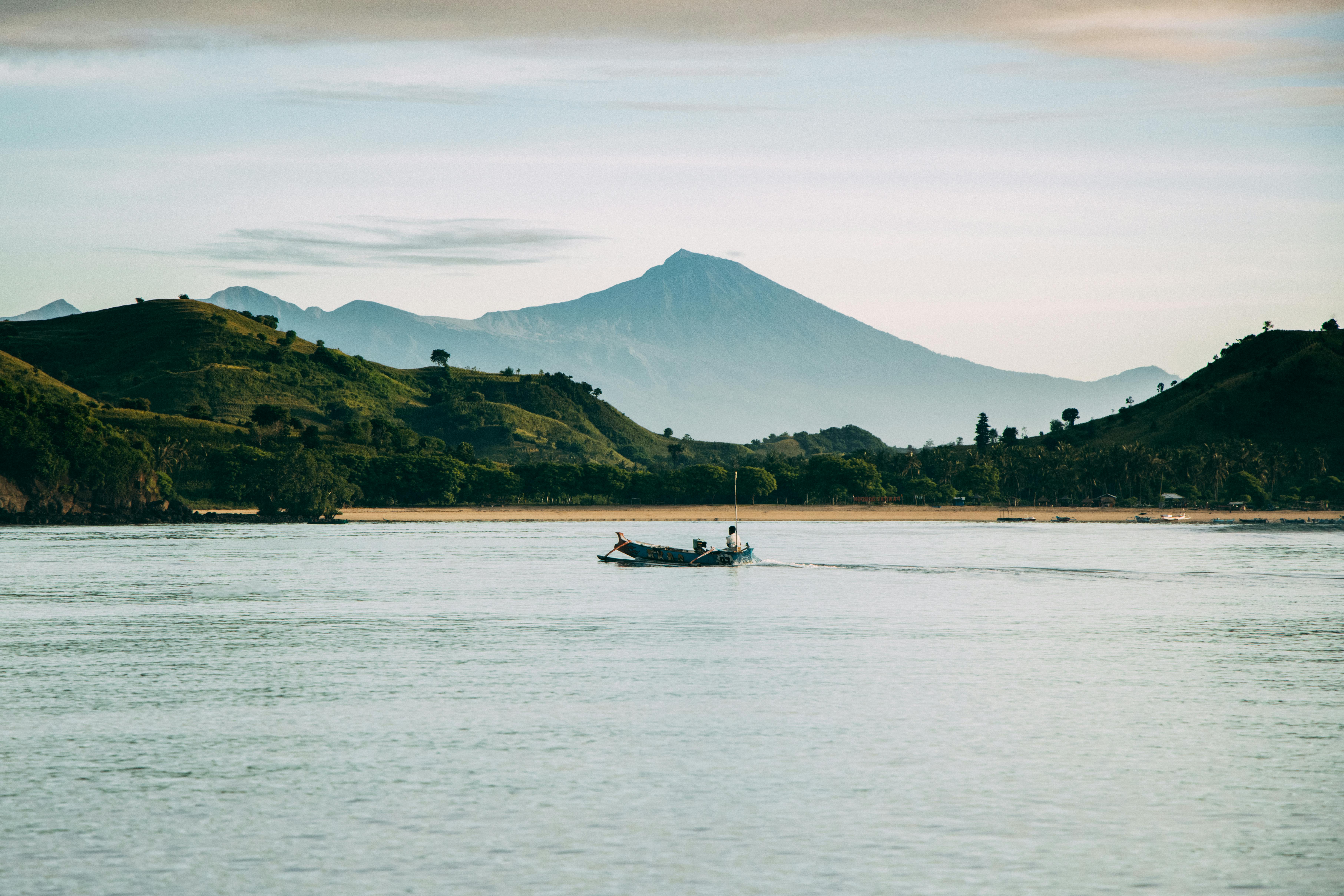
For decades, Lombok was burdened with a lazy travel-industry cliché: "Bali twenty years ago." It was the quiet, undeveloped neighbor to the east, largely defined by what it lacked rather than what it possessed. Then came the devastating series of earthquakes in August 2018, which fractured the island’s physical infrastructure and brought its growing tourism sector to a violent halt. The international media cycle moved on quickly, leaving the indigenous Sasak population to navigate the rubble. Years later, an on-the-ground audit reveals a profoundly changed landscape. Lombok didn't just rebuild; it forcibly severed the umbilical cord to Bali. Driven by massive state-funded infrastructure projects in the south and the careful reopening of the treacherous Mount Rinjani in the north, the island has forged an aggressive new identity. This dispatch uncovers the realities of Lombok today—navigating the multi-billion-dollar Mandalika circuit, the ethical complexities of the trekking industry, and how to explore an island that is actively rewriting its own future.
The Anchor
Mount Rinjani (Active Volcano)
The South
Kuta Lombok Surf Hub
The Catalyst
2018 Tectonic Earthquakes
Cultural Core
Sasak (Predominantly Muslim)
"The earthquakes were a tragedy, but the subsequent rebuild became a crucible. Lombok stopped trying to be a quieter clone of Bali and leaned hard into its own identity: raw, rugged, and unapologetically distinct."
In the summer of 2018, multiple earthquakes—peaking at a magnitude of 6.9—decimated northern Lombok. Villages were flattened, coastal roads cracked open, and thousands were displaced. The initial recovery was agonizingly slow, marred by logistical bottlenecks and an immediate exodus of foreign capital.
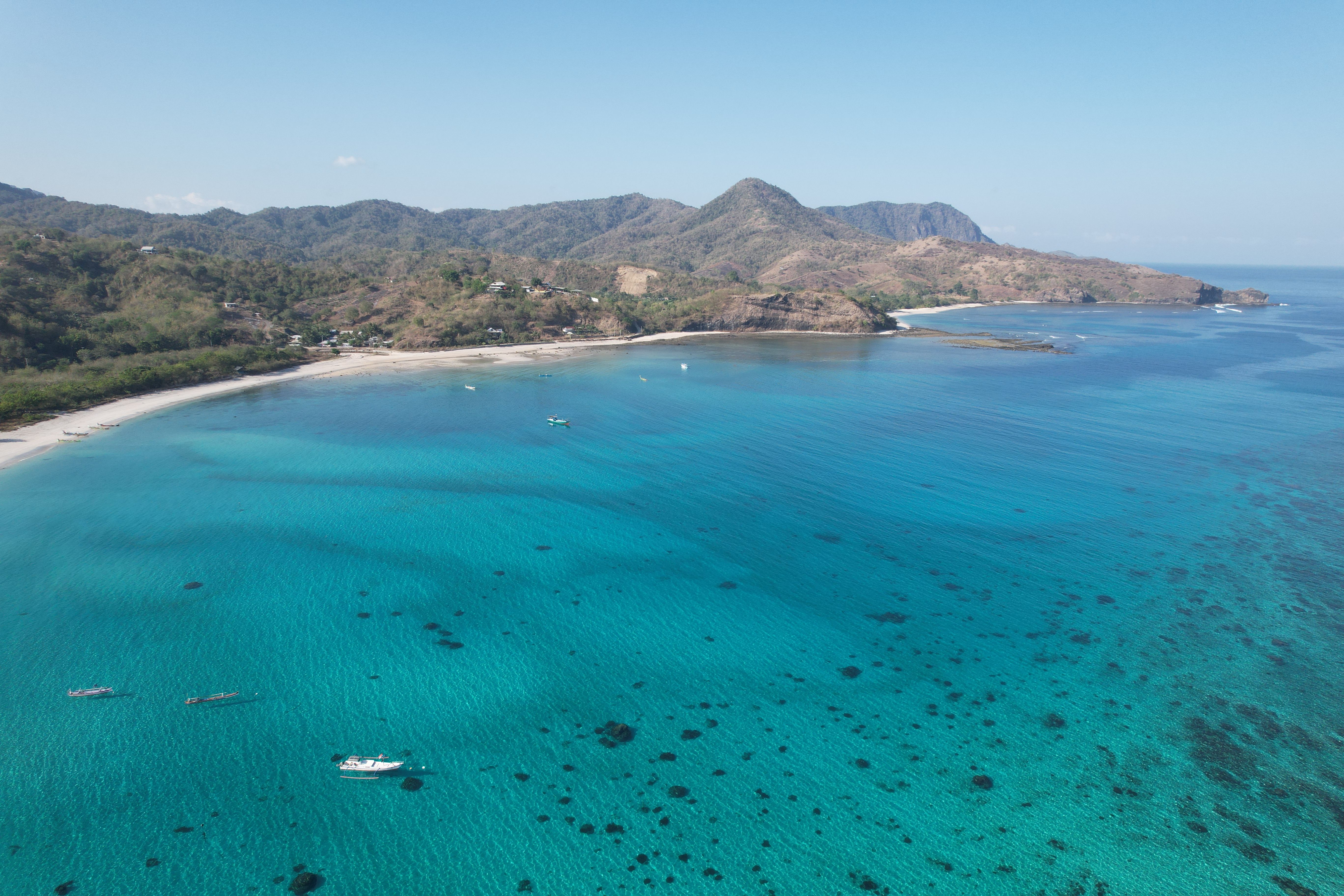
However, the Indonesian government seized the crisis as an opportunity for a drastic pivot. Instead of merely patching up the damaged northern hubs (like Senggigi and Senaru), billions of Rupiah were injected into the untouched south. The result is a tale of two islands. The north remains the domain of hardcore trekkers and quiet waterfall chasers, rebuilt slowly by local resilient communities. Meanwhile, the south has been transformed into a highly curated, hyper-modern tourism zone designed to attract a completely different demographic.
Mount Rinjani, Indonesia’s second-highest volcano, is Lombok's geographical and spiritual anchor. The 2018 quakes caused massive landslides, completely obliterating segments of the historic trekking routes and trapping hundreds of hikers on the mountain. The national park was shuttered for over a year.
The New Status Quo: Today, the trails are fully repaired and reinforced, but the wild-west days of unmonitored trekking are over. The national park authority has implemented strict daily quotas, mandatory registration, and GPS monitoring. The hike itself remains brutally challenging—a multi-day ascent through dense jungle, across volcanic scree, to a crater lake (Segara Anak) that harbors a newly active secondary cone (Mount Barujari).
The Journalist's Warning: Do not book the cheapest guide you can find in Senaru. The price war among local operators often results in underpaid porters carrying unsafe loads in flip-flops, and a pervasive issue of trash being left on the mountain. Pay the premium ($200-$300 USD for a 3-day trek) for eco-certified operators who ensure fair wages, proper equipment, and a strict "pack-it-in, pack-it-out" waste policy.
Lombok’s economic landscape has fractured since the rebuild. You can live on pennies in the northern foothills or spend Bali-level luxury prices in the southern surf towns. Here is our exclusive financial breakdown:
The North Explorer
Hover or Tap for Details 🔄
Northern Breakdown
Family-run homestays in Senaru or Tetebatu surrounded by rice terraces.
Local warungs serving Ayam Taliwang (spicy grilled chicken) for under $3.
Kuta Surf Nomad
Hover or Tap for Details 🔄
South Coast Breakdown
Boutique surf camps or modern Airbnb villas with private pools.
Scooter rental with surfboard racks to access Gerupuk or Selong Belanak.
Mandalika Elite
Hover or Tap for Details 🔄
Resort Breakdown
5-star international beachfront resorts integrated into the new mega-project.
VIP access during the international MotoGP racing weekend.
You cannot discuss modern Lombok without mentioning Mandalika. Backed by state enterprise and billions in foreign investment, this $3 billion project in the south was designed to create a "New Bali."
The Ground Truth: The centerpiece is the Pertamina Mandalika International Street Circuit, a world-class MotoGP track built directly adjacent to the pristine beaches of Kuta Lombok. The juxtaposition is jarring. You will drive down flawlessly paved, multi-lane highways lined with ornate streetlamps, only to pass traditional farmers herding water buffalo. While the project has successfully injected massive capital into the region, it has also sparked complex land disputes with indigenous communities that are often glossed over in tourism promotions.
The most common mistake travelers make is treating Lombok exactly like Bali. While Bali is Hindu and famously permissive, Lombok is home to the Sasak people, who are deeply devout Muslims. This requires a conscious shift in traveler behavior.
⚠️ Cultural Advisory: Modesty and Respect
Riding a scooter shirtless or walking through a local village in a bikini is considered highly offensive here. Save the beachwear strictly for the sand. Furthermore, during the holy month of Ramadan, many local warungs will close during daylight hours. While tourist restaurants in Kuta remain open, showing respect by not eating, drinking, or smoking blatantly on the public streets during fasting hours goes a long way with the locals.
The Traditional Villages: Tour operators will often push visits to Sade or Ende—traditional Sasak villages where residents weave ikat textiles. While visually fascinating, Sade has become highly commercialized, feeling more like a souvenir gauntlet than a living community. For a more authentic look at rural Sasak life, head towards the foothills of Tetebatu, where you can walk through tobacco fields and learn traditional weaving without the intense sales pressure.
Frequently Asked Questions
Yes. The dust has long settled from the 2018 tremors. Infrastructure, coastal roads, and major trekking routes have been extensively repaired and structurally reinforced. The island is fully operational for international tourism.
Yes, but with strict regulations. The national park authority heavily monitors trail conditions. The mountain is officially closed during the peak of the monsoon season (usually January to March) due to landslide risks. Always verify real-time status before booking.
While Bali is predominantly Hindu, Lombok is home to the indigenous Sasak people, who are overwhelmingly Muslim. This means a distinct shift in architecture, daily rhythms centered around the call to prayer, and a much more conservative approach to dress and alcohol outside of immediate tourist enclaves.
The recently paved roads in the south (around Kuta and Mandalika) are excellent and much less congested than Bali. However, the coastal mountain roads in the north are steep and winding. Drive defensively, always wear a helmet, and avoid driving at night due to unlit roads and roaming livestock.
In the tourist hubs like Kuta, Senggigi, and the Gili Islands, alcohol (primarily Bintang beer and imported spirits) is readily available in bars and restaurants. However, in rural villages and local supermarkets, it is rarely sold out of respect for Islamic customs.
Plan Your Lombok Expedition 🎒
Skip the fly-by-night operators. Uncover vetted, eco-certified Rinjani guides and secure the best boutique surf stays in the south.
Find Certified Guides Check Boutique Stays