
Social media algorithms have a bias toward peak vibrancy. For Sapa, a rugged mountain outpost in northwestern Vietnam near the Chinese border, this means endless feeds of hyper-saturated, neon-green rice terraces cascading into the clouds. But there is a distinct logistical catch to this imagery: those vivid greens only exist during the peak of the summer monsoon season (June to August). What travel brochures rarely show is the reality just beyond the camera frame—relentless downpours, trekking trails that degrade into dangerous mudslides, and weeks where the valley is choked by a blinding white mist. This dispatch provides an unfiltered, on-the-ground audit of Sapa during the wet season. Is chasing the perfect emerald photograph worth the very real risk of a complete whiteout? We investigate the tactical realities of navigating Vietnam's most famous agricultural marvel when the skies open up.
The Season
Peak Monsoon (June - August)
The Payoff
Deepest, vivid green terraces
The Risk
Multi-day fog whiteouts
Trekking Reality
Hazardous, slick mud trails
"You might capture the single most vivid, ethereal photograph of your travel life. You might also spend three consecutive days confined to a homestay staring into a milky abyss of fog. Monsoon Sapa is the ultimate travel gamble."
Sapa operates on a strict agricultural timeline. The terraces are flooded and planted in May, grow into a vibrant, electric green through July and August, and turn golden for the harvest in late September. If you want the iconic green, you must brave the rain.
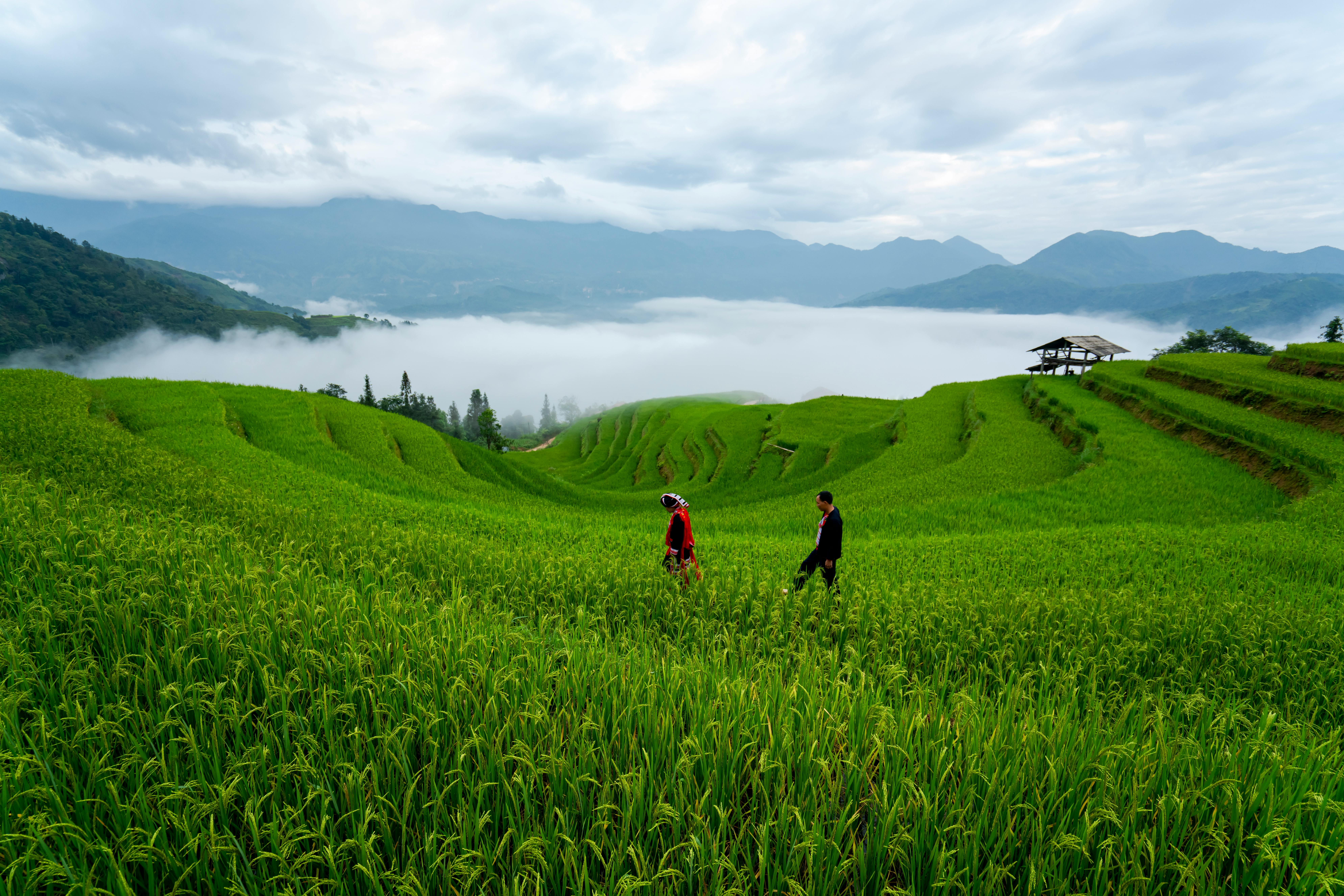
The On-The-Ground Truth: When the rain breaks and the sun hits the wet rice stalks, the valley floor looks almost radioactive with color. However, Sapa sits at an elevation of 1,500 meters (4,900 feet). During the monsoon, low-hanging cloud cover frequently gets trapped in the Muong Hoa Valley. It is entirely possible to travel 6 hours from Hanoi, check into a room with a "mountain view," and look at a literal wall of gray fog for 72 hours straight.
Trekking through the Hmong and Dao villages is the primary reason to visit Sapa. In the dry season, it is a leisurely, moderately challenging walk. In the monsoon season, it becomes an extreme balancing act.
The trails running along the terraces are primarily made of clay. When soaked, this clay turns into a frictionless surface akin to walking on wet ice. If you attempt this in standard running shoes, you will spend the majority of your trek on your back. Real trekking boots with aggressive lugs are mandatory. Furthermore, local guides often have to reroute treks on the fly due to localized landslides or swollen river crossings.
If you are traveling during the monsoon, our editorial recommendation is to budget for extra "buffer" days. Do not fly in for a single 24-hour window. Here is the financial reality of staying in Sapa, based on our on-the-ground research:
Village Homestay
Hover or Tap for Details 🔄
Budget Breakdown
Basic mattress & mosquito net in Ta Van village
Family-style dinner (often included)
Valley Eco-Lodge
Hover or Tap for Details 🔄
Mid-Range Breakdown
Private bungalow with terrace views
Heating pads, reliable hot water (crucial in rain)
Topas Ecolodge
Hover or Tap for Details 🔄
Luxury Breakdown
Isolated hilltop villas outside the main town
Heated infinity pools overlooking the clouds
Journalist Tip: If it rains for three days straight, a $15 homestay with a leaking roof and no hot water will make you miserable. During monsoon season, it is highly advised to spend the extra money on a mid-range eco-lodge where being "stuck inside" is actually comfortable.
Sapa is roughly 320 kilometers (200 miles) northwest of Hanoi. Historically, the romantic choice was the overnight sleeper train to Lao Cai (the Victoria Express or similar), followed by a 45-minute white-knuckle minivan ride up the mountain.
Today, the highway expansion means luxury sleeper buses make the direct journey in under 6 hours. However, during heavy monsoon storms, the winding mountain pass between Lao Cai and Sapa is prone to severe washouts and localized landslides, occasionally delaying traffic for hours. Always check local road reports before departing Hanoi in the summer.
Responsible travel in Sapa requires an understanding of the local ecosystem and the communities that inhabit it.
⚠️ Safety Notice: Local Guides are Non-Negotiable
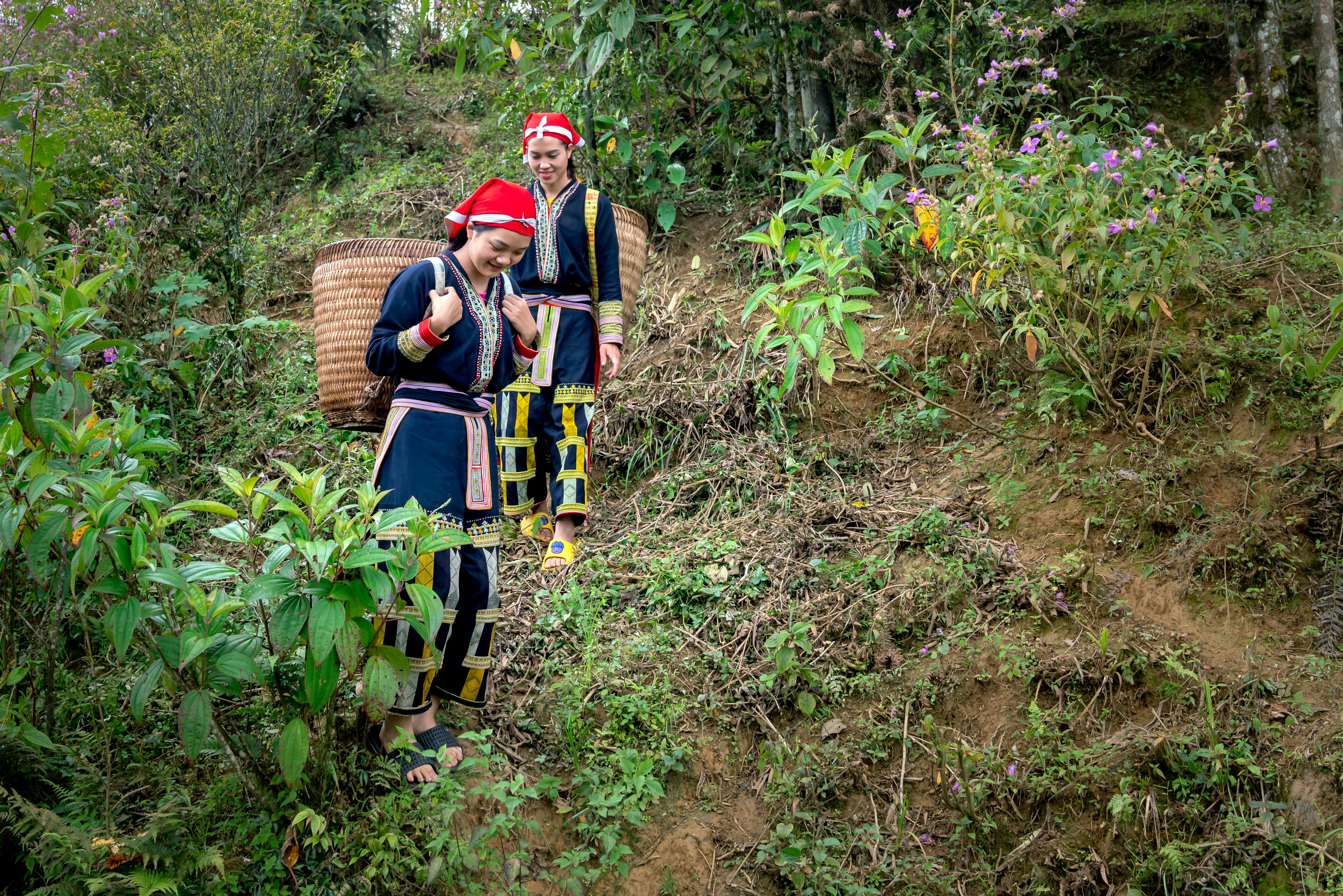
While attempting an independent trek in the dry season is possible, doing so during a monsoon downpour is highly negligent. The main paths turn into rivers, and visibility can drop to zero in minutes. Hiring a local Hmong, Dao, or Tay guide is not just about supporting the local economy; it is a critical safety measure. They know the secondary paths, the stable footing, and the current state of the river crossings.
Selling Culture: The ethnic minority women in Sapa are notoriously persistent salespeople, often walking alongside trekkers for hours to sell handicrafts. If you do not intend to buy anything, politely and firmly decline early on. Do not buy trinkets from children; it encourages families to keep them out of school to cater to tourists.
Investigative FAQ
Late September through early November offers the golden harvest season with more reliable clear weather. However, if you wait too late into November or December, the terraces will be harvested, brown, and the air will be freezing.
Yes, but expect deeply muddied, slippery trails. You must have proper trekking boots (not sneakers) and we strongly advise hiring a local Hmong or Dao guide who knows the safest routes when primary trails wash out.
The two main methods are the overnight sleeper train to Lao Cai (followed by a 45-minute mountain taxi up to Sapa), or a direct luxury sleeper bus from Hanoi, which takes about 5.5 to 6 hours via the newer expressway.
Monsoon season (summer) is actually peak season for domestic Vietnamese tourists escaping the Hanoi heat. Therefore, booking your eco-lodge or homestay well in advance is critical.
Execute Your Sapa Strategy 🥾
Don't leave the weather to chance. Secure trusted local Hmong guides, luxury sleeper buses, and rain-proof eco-lodges.
Audit Local Guides & Transit Check Mountain Lodges