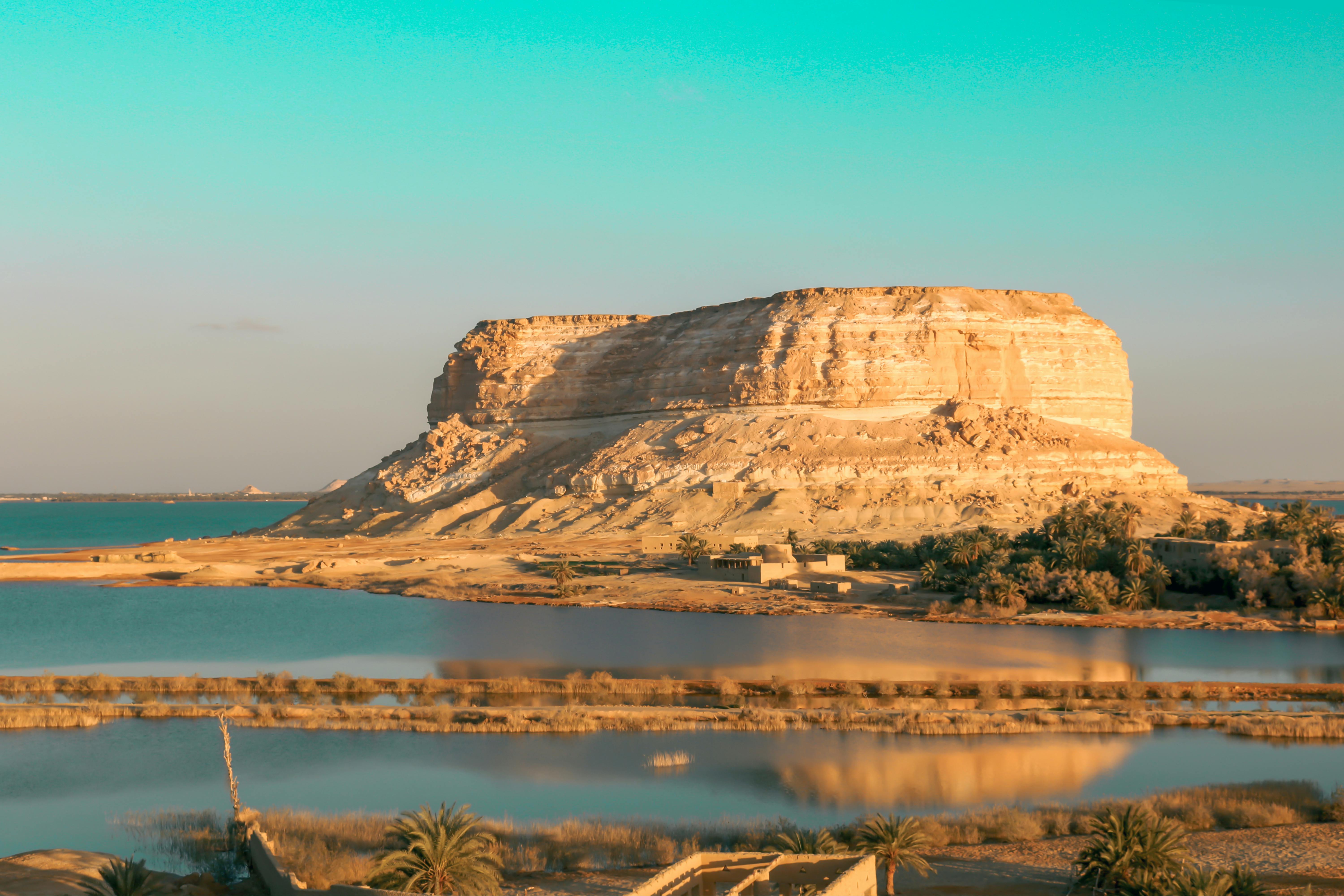
Mass tourism in Egypt usually flows along a highly sanitized, hyper-managed artery: the Nile River. From the Giza plateau down to the temples of Luxor, visitors are shuttled through a gauntlet of tour buses and persistent vendors. Siwa Oasis is the exact antithesis. Situated just 50 kilometers from the Libyan border and hundreds of miles from the Mediterranean coast, Siwa is defined by its extreme isolation. You do not pass through Siwa on the way to somewhere else; you go there because it is the absolute end of the road. While viral drone footage has recently popularized its mesmerizing, hyper-saline salt pools, an on-the-ground reality check reveals a destination that requires serious logistical endurance. This dispatch strips away the Instagram filters, offering a journalistic audit of the punishing 10-hour desert transit, the environmental fragility of the mud-brick ruins, and the deeply rooted Amazigh culture that demands your respect.
The Logistics
8-10 Hours by Road from Cairo
The Landscape
Great Sand Sea & Salt Pools
Heritage Layer
Kershef (Mud-Brick) Architecture
Cultural Anchor
Indigenous Amazigh (Berber)
"The grueling eight-hour drive through the barren Sahara isn't an inconvenience; it is the ultimate filter. It is the geographic moat that protects Siwa's profound silence from the chaos of modern Egypt."
Let’s set expectations early: getting to Siwa is a punishing physical commitment. There are no operational commercial airports nearby. You have two primary methods of transit from Cairo, and both involve a vast, monotonous stretch of the Western Desert.
The West Delta Bus: The budget option. Departing from the Turgoman station in Cairo, this overnight bus takes roughly 10 to 12 hours. Expect aggressive air conditioning, blaring Arabic pop music or movies at 2:00 AM, and frequent military checkpoints where foreigners will have their passports inspected. It costs under $15, but you will arrive exhausted.
Private Transfer: Hiring a private driver reduces the trip to about 8 hours. The road via Marsa Matruh is entirely paved but notoriously straight and hypnotic for drivers. Do not encourage your driver to speed, as the desert crosswinds and occasional roaming camels pose serious hazards.
The striking turquoise salt pools of Siwa are the primary reason many tourists endure the drive. Mined for salt, these excavated pits fill with water that is hyper-saline—even saltier than the Dead Sea. You cannot sink, no matter how hard you try.
The Unfiltered Reality: The photos omit the physical discomfort. The salt crystals lining the edges of these pools are as sharp as broken glass; entering barefoot often results in deep lacerations. Bring water shoes. Furthermore, the salt density is so intense that if a single drop gets into your eye, it is blindingly painful.
The Journalist's Hack: There are no showers at the salt lakes. If you do not immediately rinse off after getting out, the salt will crystallize on your skin, causing severe chafing as your clothes rub against you on the tuk-tuk ride back to town. Always bring at least two large bottles of fresh tap water explicitly for washing off before you leave the site.
Because virtually every resource must be trucked in across the desert, the baseline cost of goods in Siwa can be slightly higher than in mainland Egypt, yet accommodation remains incredibly affordable. Here is our financial breakdown for exploring the oasis:
Desert Backpacker
Hover or Tap for Details 🔄
Budget Breakdown
Basic palm-frond camp or locally run guesthouse near the town square.
Street falafel and fresh dates bought directly from the market vendors.
Oasis Explorer
Hover or Tap for Details 🔄
Mid-Range Breakdown
Boutique eco-lodge built with traditional Kershef (salt-mud) architecture.
Dining on slow-cooked 'Abou Margoud' (meat cooked underground in the sand).
Off-Grid Luxury
Hover or Tap for Details 🔄
Luxury Breakdown
Adrère Amellal – a world-famous, completely electricity-free eco-resort lit only by beeswax candles.
Private 4x4 dune bashing and catered dinners in the Great Sand Sea.
Siwa’s geography is dominated by two primary features: the decaying urban core of the Shali Fortress, and the encroaching dunes of the Great Sand Sea to the south.
The Ruins of Shali: In the center of town sits a labyrinth of melting mud-brick structures. Built in the 13th century from kershef (chunks of salt from the lakes mixed with mud), the fortress largely dissolved during three days of uncharacteristic torrential rain in 1926. Today, you can climb the winding paths to the top for a panoramic view of the oasis, particularly stunning at sunset as the call to prayer echoes across the palm groves.
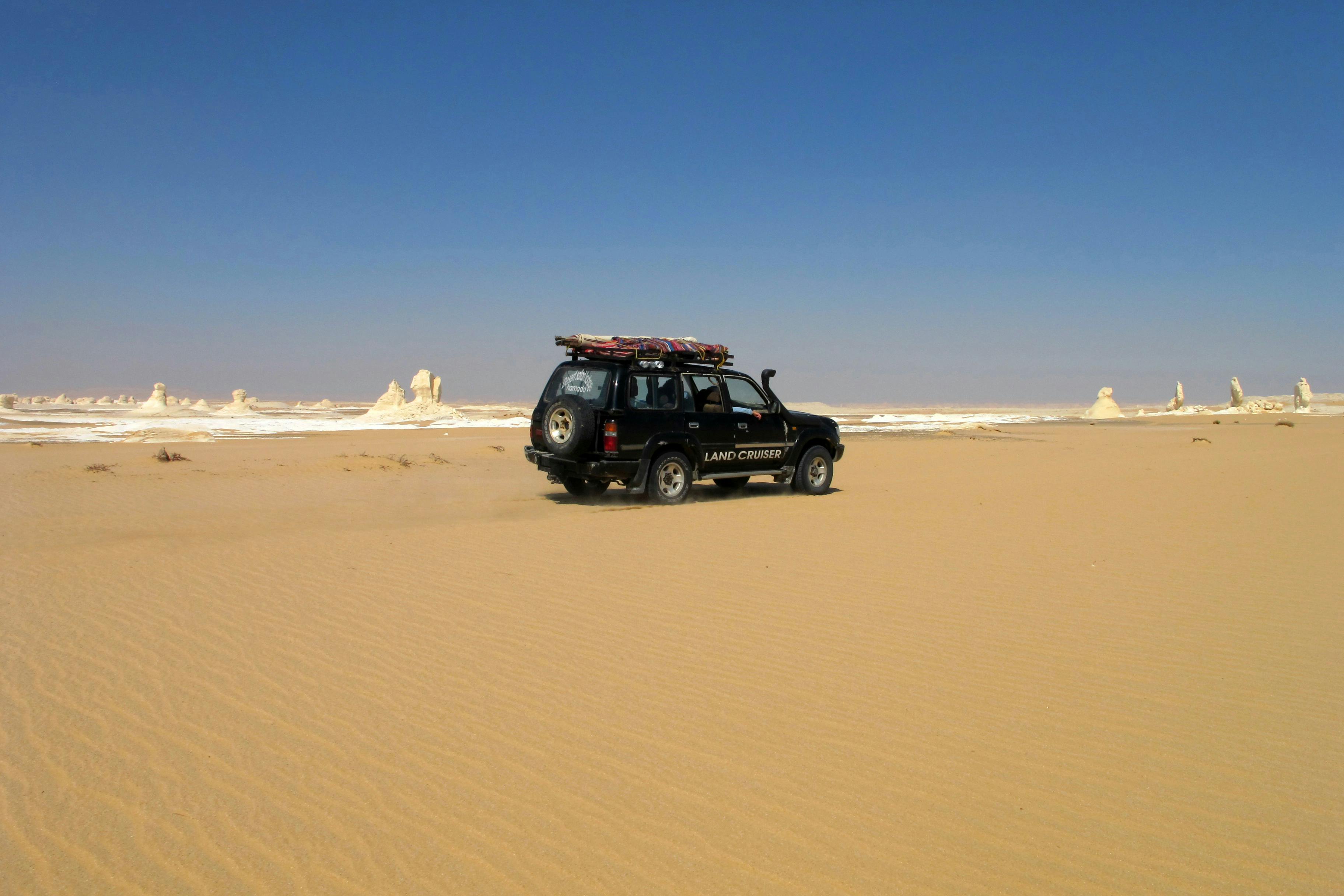
The Desert Safari: You cannot leave Siwa without hiring a 4x4 to take you into the Great Sand Sea. These massive, rolling dunes stretch all the way into Libya. Drivers will deflate their tires and aggressively plunge down 40-foot slip-faces. It is an adrenaline rush that culminates in drinking sweet Siwan tea around a fire at a hot spring (Bir Wahed) hidden deep in the dunes.
Siwa is politically Egyptian, but culturally, it is something entirely different. The population of roughly 30,000 is predominantly Amazigh (Berber). They have their own distinct language—Siwi—which is largely unwritten, and their own distinct social codes, dress, and artisan traditions.
⚠️ Cultural Notice: Conservatism and Respect
Siwa is one of the most socially conservative areas in Egypt. Women in Siwa are rarely seen in public spaces; when they are, they are often covered entirely in a traditional blue and grey sheet called a tarfodet. Never, under any circumstances, take photographs of Siwan women. Additionally, tourists must respect local sensibilities: walking through town in short-shorts, tank tops, or swimwear is considered deeply offensive. Cover your shoulders and knees until you are in the private confines of your eco-lodge or out at the remote salt lakes.
The Craft Economy: Because agricultural output is limited to primarily dates and olives, the local economy relies heavily on traditional crafts. The embroidery done by Siwan women is highly prized—intricate patterns of green, red, and yellow representing palm fronds, dates, and the sun. Purchasing these directly from community shops in the town center is the best way to inject money directly into the local micro-economy.
Frequently Asked Questions
At a minimum, three full nights. Given the 8 to 10-hour drive each way from Cairo, day trips or single-night stays are physically exhausting and logistically impractical.
Despite its proximity to the Libyan border (roughly 50km away), Siwa is exceptionally safe. The military maintains strict checkpoints on the roads leading in, and the local community is tight-knit, resulting in virtually zero violent crime against tourists.
You don't swim; you float. The hyper-saline water makes sinking impossible. However, the salt crystals are incredibly sharp, and the water will sting intensely if it gets in your eyes or any cuts. Always bring large bottles of fresh tap water to rinse off immediately afterward.
There are no commercial flights. The most economical method is the West Delta overnight bus from Cairo, which takes about 10 hours. The more comfortable, albeit expensive, alternative is hiring a private driver or joining a 4x4 expedition.
Siwa is culturally distinct from the rest of Egypt. The locals are predominantly Amazigh (Berber) and speak Siwi, not just Arabic. The community is deeply conservative; modest dress (covering shoulders and knees) is strictly expected when wandering through the town.
Ready for the Deep Desert? 🏜️
Skip the logistical nightmare. Uncover trusted 4x4 transfers from Cairo, remote eco-lodge bookings, and private desert safari guides.
Find Desert Safaris Book an Eco-Lodge