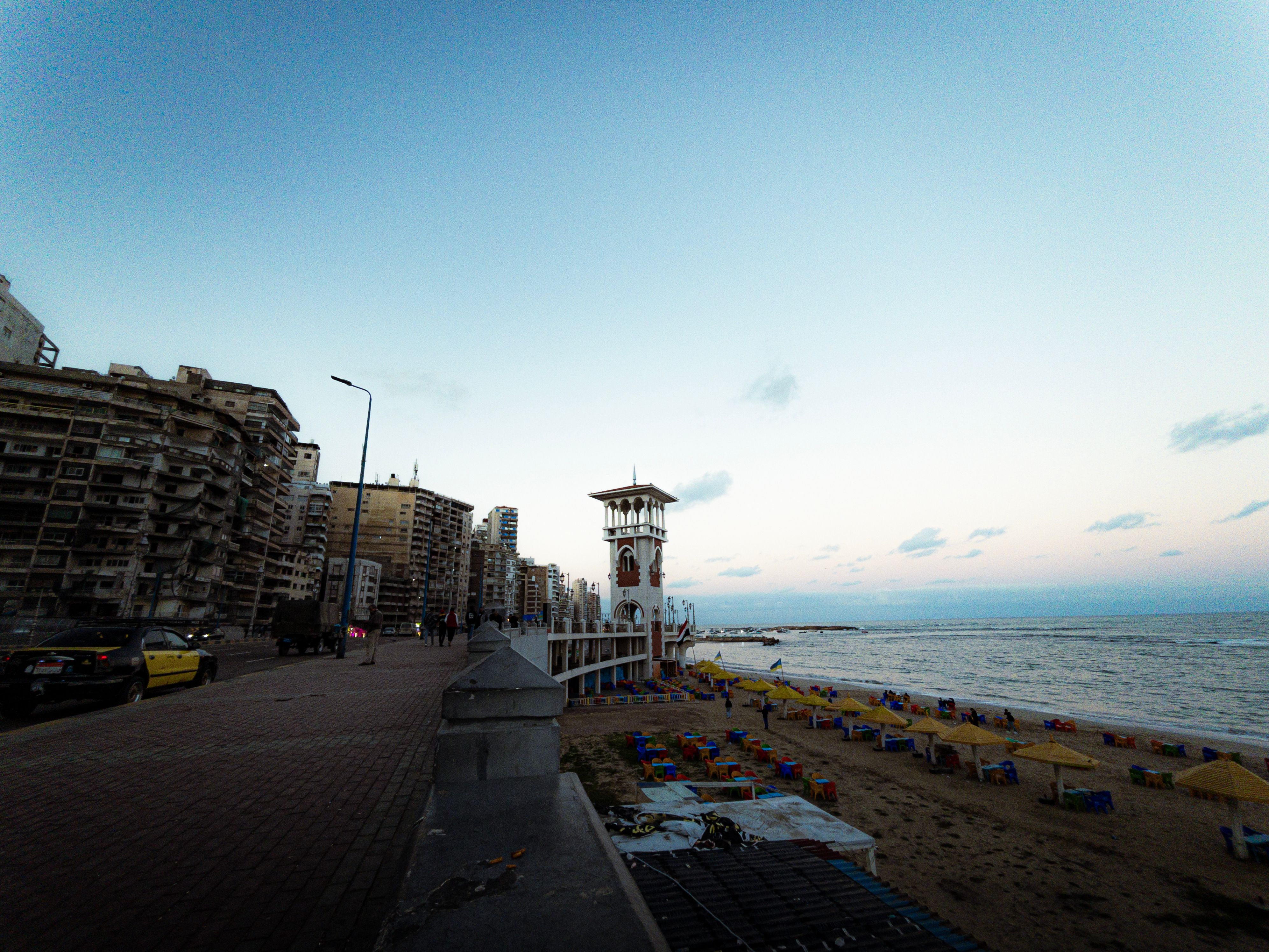
For decades, Alexandria has functioned as an exhausting footnote in the grand Egyptian travel itinerary. Standard tour operators treat the city as a logistical sprint: wake up at dawn in Cairo, race up the desert highway, glance at a Roman amphitheater, photograph the modern library, eat a hurried seafood lunch, and speed back before the Cairo traffic peaks. But an on-the-ground investigation reveals that this factory-line approach entirely misses the point of the city. Fueled by recent restoration work around its Greco-Roman and Ottoman-era sites, and anchored by a fiercely guarded historic café culture, Alexandria is quietly executing a revival. This dispatch breaks away from the Nile Valley circuit to explore the unvarnished realities, the architectural layers, and the compelling case for spending the night on Egypt's Mediterranean seaboard.
Geographic Vibe
Mediterranean Coastal (Not Desert)
History Layers
Greco-Roman & Ottoman Elite
Transit Reality
2.5 Hour VIP Train from Cairo
Cultural Anchor
Historic Belle Époque Cafés
"Cairo is the Egypt everyone expects—chaotic, pharaonic, and relentless. Alexandria is the Egypt that surprises the people who didn't budget the time to actually understand it."
The traditional approach to Alexandria is a 12-hour round trip from Cairo that leaves travelers exhausted and thoroughly disconnected from the city's actual rhythm. However, a wave of infrastructure and heritage investments has changed the equation.
The Journalist's Observation: The long-shuttered Greco-Roman Museum recently reopened after a massive 18-year restoration, shifting the center of gravity back to the city's Hellenistic past. When you combine this with the sheer scale of the Bibliotheca Alexandrina and the sprawling Catacombs of Kom El Shoqafa, cramming this into a four-hour viewing window is no longer viable. Alexandria demands an overnight stay to let these sites breathe.
Alexandria does not offer the towering, intact temples of Luxor. Instead, its history is subterranean and layered, requiring a bit more imagination and a willingness to explore the intersections of cultures.
The Catacombs (Kom El Shoqafa): Descending a spiral staircase into the earth reveals a jarring, fascinating architectural blend: Egyptian pharaonic motifs mixed seamlessly with Roman dress and Greek mythological figures. It is the visual definition of an ancient melting pot.
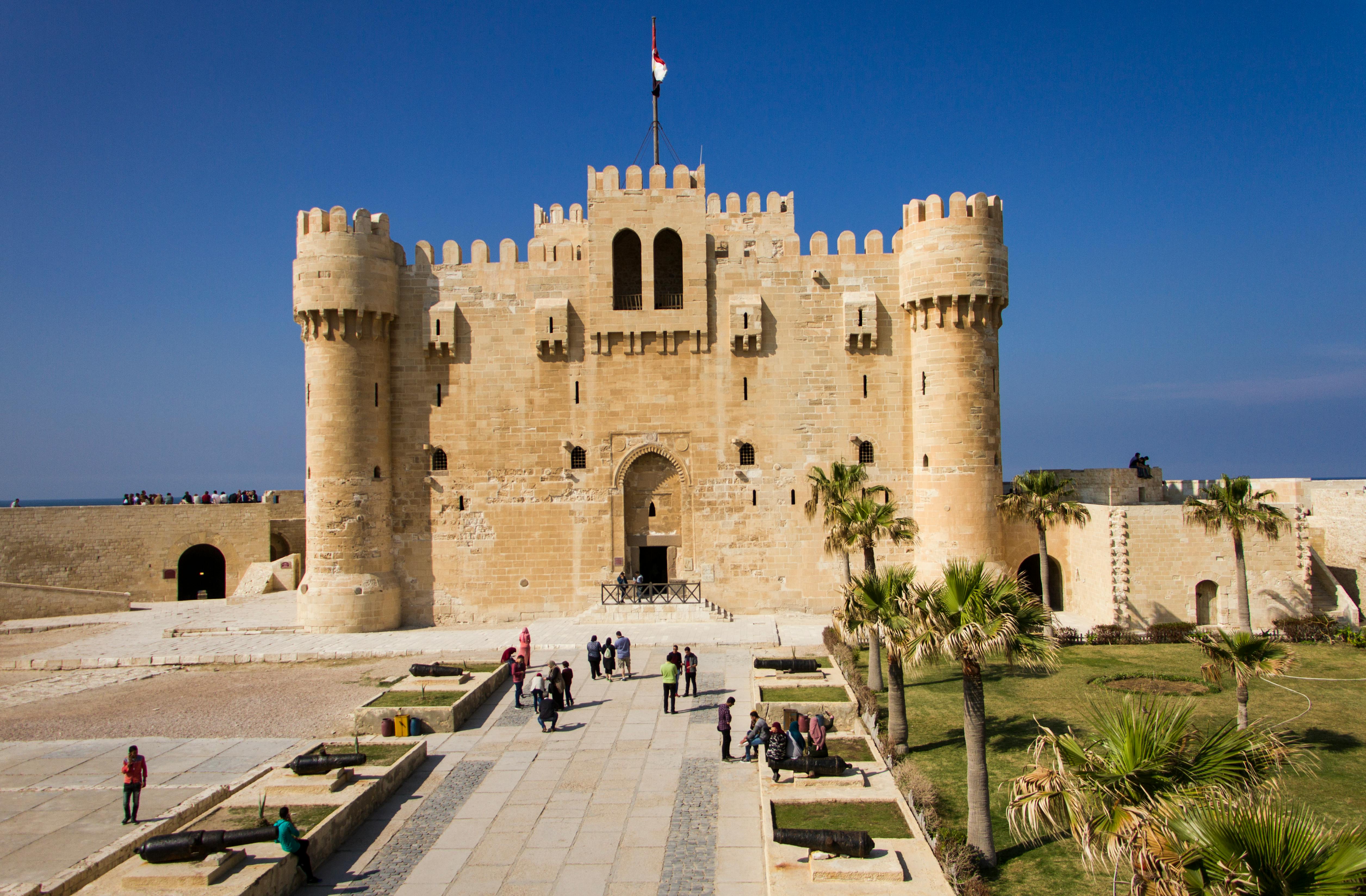
The Citadel of Qaitbay: Built in the 1470s, this Mamluk fortress sits exactly where the legendary Lighthouse of Alexandria (one of the ancient wonders) once stood before an earthquake claimed it. Today, it anchors the eastern point of the city, serving as the prime gathering spot for locals at sunset.
Alexandria generally prices out slightly cheaper than Cairo, particularly in the mid-range hospitality sector. Here is our exclusive financial breakdown of how to tackle the city based on your travel style:
The Day-Tripper
Hover or Tap for Details 🔄
Day Trip Breakdown
Round-trip train from Cairo + standard museum entry fees.
Extremely rushed. You will spend 5-6 hours purely in transit.
The Overnighter
Hover or Tap for Details 🔄
Overnight Breakdown
Mid-range boutique hotel near the Raml Station or Corniche.
Sunset seafood dinner at the historic Greek Club overlooking the harbor.
Heritage Luxury
Hover or Tap for Details 🔄
Heritage Breakdown
Staying at the Steigenberger Cecil (frequented by Churchill & Agatha Christie).
Private Egyptologist guide and chauffeur for all archaeological sites.
Do not hire a private car to drive you from Cairo unless absolutely necessary; the desert highway is notoriously aggressive. The smart money is on the rails.
The VIP Train: Head to Ramses Station in Cairo and book a First Class ticket on the Spanish trains or the newer Talgo high-speed trains. The journey takes about 2.5 hours, dropping you at either Sidi Gaber or Misr Station in Alexandria. The seats are massive, the air conditioning is fierce (bring a sweater), and the coastal approach is vastly more relaxing than staring at highway brake lights.
While Alexandria exudes a romantic, faded Belle Époque charm, it is still a massive working Egyptian metropolis. Calibrate your expectations regarding the waterfront.
⚠️ Investigation Rule: Navigating the Corniche
The Alexandria Corniche is a beautiful sweeping curve along the Mediterranean, but it is also an eight-lane highway with virtually no pedestrian crossings. Crossing the road to reach the seawall requires extreme confidence and timing—stick close to locals and cross when they do. Once on the water side, the vibe shifts to a relaxed promenade filled with roasted corn vendors and fishermen.
The Weather Paradigm: Do not assume desert weather. In the winter months (December through February), Alexandria gets very real Mediterranean storms, complete with heavy rain and biting winds that whip off the sea. If you are visiting in winter, pack a waterproof jacket alongside your sunglasses.
Frequently Asked Questions
While a single day covers the absolute highlights (the Catacombs and the Library), our journalistic recommendation is two days. This allows you to experience the corniche, the cafes, and the museums without the exhausting rush of a Cairo return trip.
High-speed and regular VIP trains run multiple times daily from Cairo's Ramses Station. The Spanish or Talgo trains take roughly 2.5 hours and are vastly more comfortable and safer than navigating the desert highway by minibus.
Yes, Alexandria is generally very safe. It has a slightly more relaxed, Mediterranean atmosphere compared to Cairo, though standard urban precautions apply. The corniche is heavily trafficked and safe to walk, even in the evening.
Ready for the Mediterranean Escape? 🧳
Skip the frantic group tours. Secure your own overnight stay in a historic hotel and book local, specialized guides for the Catacombs.