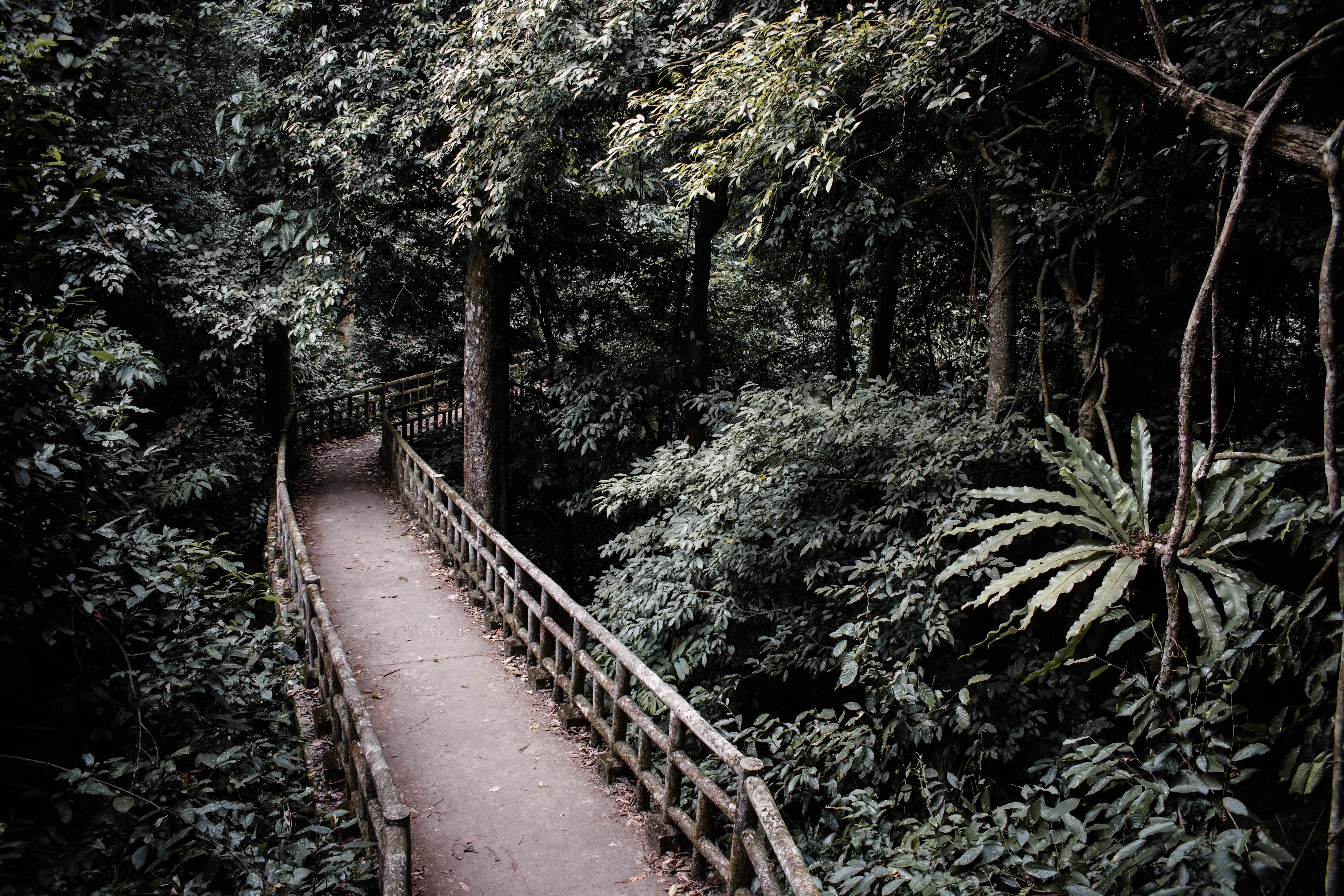
There is a deeply surreal cognitive dissonance that occurs when visiting the Cu Chi Tunnels today. You are standing on soil where thousands of people lived, fought, and died in unimaginable subterranean conditions during the Vietnam War (known locally as the American War). Yet, as a guide explains the grim mechanics of a bamboo punji trap, the deafening crack of live AK-47 and M16 gunfire echoes through the jungle from a nearby tourist shooting range. The Cu Chi Tunnels are undeniably one of the most historically significant sites in Southeast Asia, but they are also a masterclass in the complicated, sometimes uncomfortable realities of dark tourism. This dispatch strips away the standard tour brochure rhetoric to audit what a visit actually entails, the geographical split between the two tunnel sites, and how to navigate this deeply complex legacy with the respect it commands.
Transit Hub
Ho Chi Minh City (~1.5 hours away)
The Reality
Widened tunnels for Western frames
The Friction
On-site live-fire ranges & souvenir shops
Insider Intel
Ben Duoc is more authentic than Ben Dinh
"It is a genuine historical site and, simultaneously, a place that sells souvenir bullet casings mere meters from a war memorial. To understand Cu Chi, you must accept that both of these realities exist at the exact same time."
Before addressing the commercialization, one must acknowledge the staggering feat of engineering beneath your feet. At its peak, the Cu Chi network boasted over 250 kilometers of tunnels, carving out a subterranean city complete with living quarters, kitchens, ordnance factories, and hospitals.
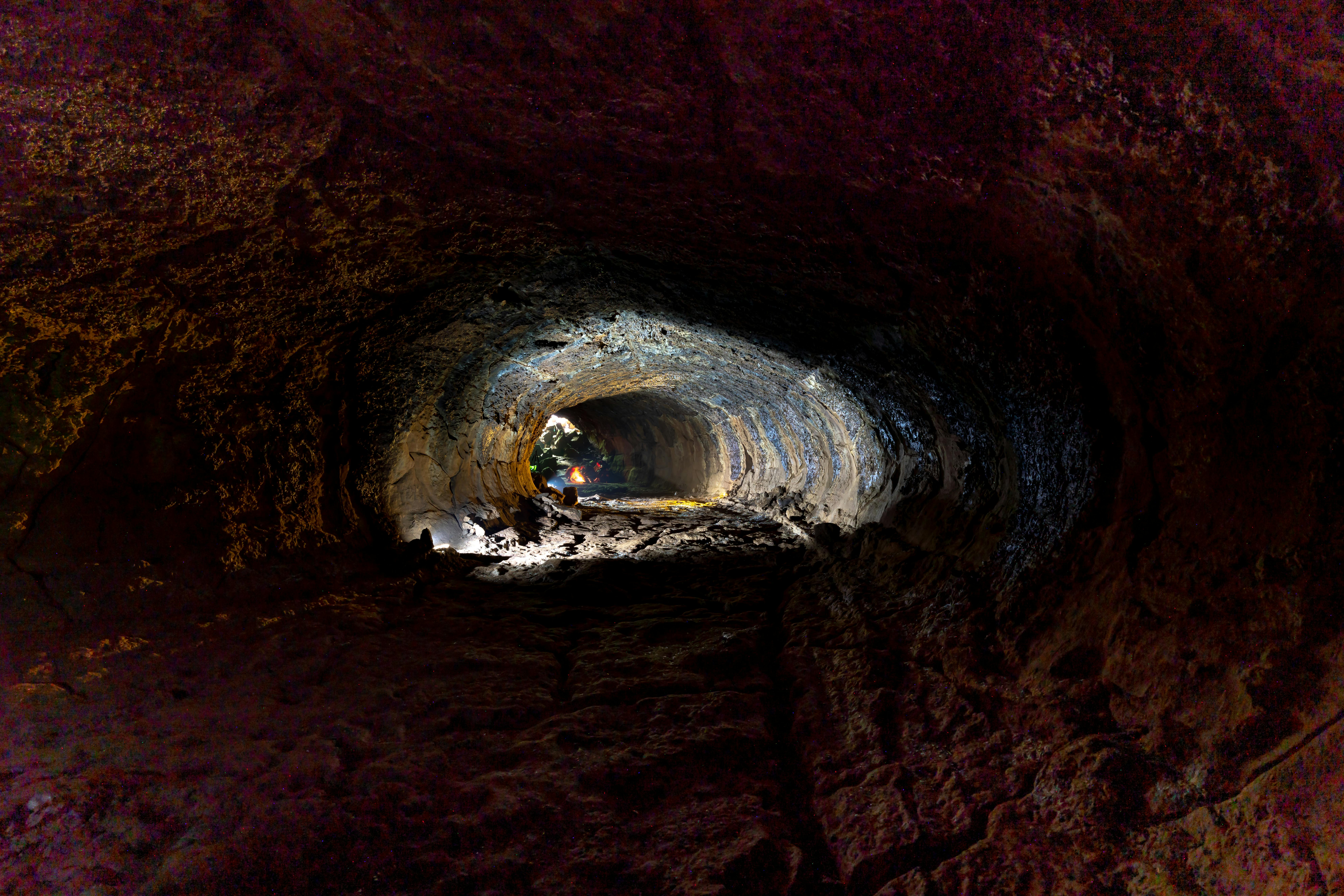
For the Viet Cong, these tunnels were a mechanism for survival against relentless B-52 carpet bombing. Venturing into the preserved sections—even those widened for modern tourists—offers a physically visceral understanding that photographs cannot replicate. The heat is stifling, the air is thin, and the darkness is absolute. It forces a stark realization of the sheer human endurance required to live underground for months at a time.
Travel agencies in Ho Chi Minh City rarely clarify that there are actually two different sites you can visit. Knowing the difference is the most important logistical decision you will make.
Ben Dinh: The Tourist Hub. Located about 50km from HCMC, this is where 90% of international tour buses go. The tunnels here have been significantly widened and reinforced with concrete to accommodate larger Western frames. It is highly commercialized, crowded, and houses the primary shooting range. It is built for throughput and spectacle.
Ben Duoc: The Historical Reality. Located about 20km further out, Ben Duoc is the site favored by domestic Vietnamese tourists and veterans. The tunnels here are largely original in size (meaning they are much tighter). It features a solemn memorial temple honoring the Vietnamese dead. It lacks the intense theme-park atmosphere of Ben Dinh. Journalist Recommendation: Insist your tour operator takes you to Ben Duoc.
While it is possible to reach the tunnels via public bus (Bus #13 to Cu Chi station, then #79), it is agonizingly slow. Most visitors rely on packaged tours. Here is our audit of what you get for your money:
Mass Transit Tour
Hover or Tap for Details 🔄
Budget Breakdown
40-person coach departing from Pham Ngu Lao (Backpacker District).
Mandatory stops at "handicraft centers" to push souvenirs. Very rushed site visit to Ben Dinh.
Speedboat Tour
Hover or Tap for Details 🔄
Mid-Range Breakdown
Bypass the brutal Saigon traffic by taking a speedboat up the Saigon River directly to the tunnels.
Includes a scenic river view, smaller groups (10-12), and usually a high-quality local lunch.
Private Historian
Hover or Tap for Details 🔄
Luxury Breakdown
Private SUV and a specialized history guide who focuses on geopolitics, not just tourist traps.
You dictate the pace. Can explicitly request Ben Duoc and completely avoid the shooting range.
The most jarring element of the Cu Chi experience is the on-site firing range. For roughly $2 to $3 per bullet, tourists can mount heavy machine guns, AK-47s, and M16s to fire at paper targets.
⚠️ Cultural Context: A Complex Reality
Many Western tourists find the commodification of lethal weapons at a site of mass casualties deeply offensive. However, it is essential to view this through a localized lens. To the Vietnamese government, who manages the site, it is framed as a demonstration of their historical victory and military resilience. The range is a major revenue generator. You are not required to participate, but if you visit Ben Dinh, you cannot escape the constant, echoing sound of gunfire throughout your tour.
If you wish to reflect on the history in silence, this audio backdrop will make it nearly impossible. Again, this is why the further, less commercialized Ben Duoc site is recommended for serious travelers.
The tunnels are located in the Cu Chi district, northwest of Ho Chi Minh City. Traffic exiting the city is notoriously dense.
Time Allocation: A typical tour takes half a day. Morning tours leave around 7:30 AM and return by 1:30 PM. Afternoon tours leave around 1:00 PM and return by 6:00 PM. We heavily recommend the morning tours; the Vietnamese heat and humidity inside the jungle by 2:00 PM is punishing.
Frequently Asked Questions
No, it is strictly an optional add-on. You do not have to participate, though depending on the site (especially Ben Dinh), you will hear the gunfire echoing through the jungle during your tour.
Ben Dinh is closer to Ho Chi Minh City, heavily tailored for Western tourists, and has widened tunnels. Ben Duoc is further away, preserves the original tunnel sizes more accurately, and is primarily visited by domestic tourists and those seeking a more authentic historical context.
If you suffer from severe claustrophobia, you should not enter the tunnels. While sections at Ben Dinh have been widened for tourists, they are still extremely cramped, hot, and dark. You can, however, view the site from above ground without going inside.
Navigate Vietnam Thoughtfully 🗺️
Bypass the overcrowded buses. Book small-group speedboat tours and private historians to experience Cu Chi with the respect it deserves.
Compare Verified Tours Check HCMC Hotels