
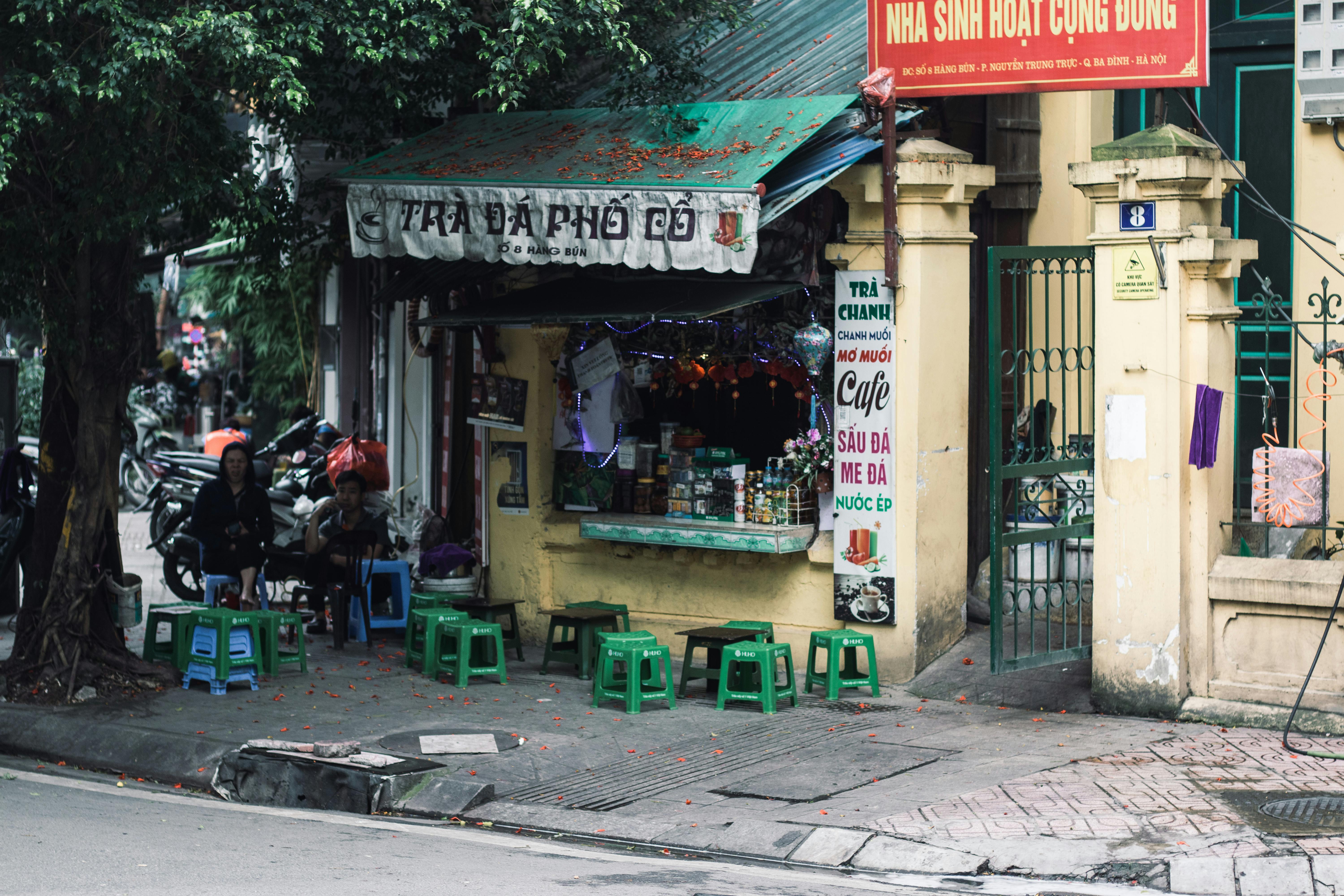
Walk down any street in Hanoi or Ho Chi Minh City at 7:00 AM, and you will witness an entire nation operating on the same high-octane fuel. Tiny plastic stools spill onto cracked pavements, occupied by locals waiting for the slow, agonizing drip of a stainless steel phin filter. Vietnam is currently the world’s second-largest exporter of coffee, trailing only Brazil. Yet, almost nobody outside the country drinks it the way the Vietnamese do. This is not a culture of rapid-fire espresso shots or diluted venti lattes. Vietnamese coffee culture is a masterclass in adaptation and survival. Born from French colonial agriculture and modified by wartime scarcity, the local brew is thick, aggressively caffeinated, and historically complex. This dispatch strips away the glossy travel-vlog aesthetic to investigate the ground-level truths of Vietnam’s cafes—uncovering the genius behind Hanoi’s Egg Coffee, the brutal realities masking Dalat's "luxury" weasel beans, and how to navigate this fiercely independent culinary landscape.
Hanoi Signature
Ca Phe Trung (Whipped Egg Coffee)
The National Standard
Ca Phe Sua Da (Iced & Condensed Milk)
Ethical Dilemma
Civet "Weasel" Coffee Industry
The Bean Profile
Robusta (High Caffeine, Low Acidity)
"Vietnamese coffee culture is not a monolith; it is a timeline of the country's history served in a glass. The harsh bitterness of colonial robusta, tempered by the desperate, sweet inventions of a post-war economy."
To understand Vietnamese coffee, you must confront the bean. While Western specialty cafes obsess over Arabica beans—prized for their floral, acidic, and complex notes—Vietnam is the undisputed king of Robusta. Introduced by French colonists in the 1850s, Robusta thrives in the humid, low-altitude climate of the Central Highlands.
Robusta is aptly named: it is hardy, highly disease-resistant, and packs nearly twice the caffeine of Arabica. It is also significantly more bitter, with tasting notes often described as dark chocolate, rubber, or burnt wood. Because of this inherent harshness and a historical lack of refrigeration for fresh dairy, the Vietnamese adapted. They turned to shelf-stable sweetened condensed milk, transforming an aggressively bitter stimulant into a thick, syrupy, perfectly balanced indulgence known globally as Ca Phe Sua Da.
While the south relies heavily on ice to combat the tropical heat, the cooler capital of Hanoi offers a distinct culinary invention: Ca Phe Trung (Egg Coffee).
The origin story is a direct reflection of wartime scarcity. In 1946, during the First Indochina War, a bartender named Nguyen Van Giang was working at the Sofitel Legend Metropole Hotel. Faced with a severe shortage of fresh milk, Giang innovated. He vigorously whisked raw egg yolks with sugar and condensed milk until it formed a thick, airy meringue, pouring it over a dense shot of dark robusta.
The Journalist's Tip: True egg coffee should not taste "eggy." It drinks like a warm, liquid tiramisu—rich, custardy, and intensely comforting. When ordering, you will be given a small spoon. Do not stir it aggressively into a muddy mess; instead, scoop a bit of the fluffy top layer with a sip of the dark coffee underneath.
Coffee in Vietnam is remarkably democratic, accessible at every economic tier. However, tourists in heavily trafficked areas (like Bui Vien in HCMC or the Old Quarter in Hanoi) frequently face inflated "foreigner pricing." Here is our ground-truth financial audit:
The Street Cart
Hover or Tap for Details 🔄
Street Level
Sitting on a tiny blue plastic stool facing the traffic.
Ca Phe Den Da (Black iced). Fast, pre-dripped, and violently caffeinated.
Heritage Cafes
Hover or Tap for Details 🔄
Cafe Culture
Hidden second-floor apartments or historic establishments like Cafe Giang.
Egg Coffee or Coconut Coffee (Ca Phe Cot Dua). Slower paced, meant for lingering.
Third-Wave Specialty
Hover or Tap for Details 🔄
Modern Wave
Air-conditioned, brutalist design spaces (e.g., The Workshop in HCMC).
V60 pour-over featuring high-altitude Vietnamese Arabica from Dalat.
Any honest dispatch on Vietnamese coffee must address the shadow economy of Ca Phe Chon, often translated as Weasel or Civet coffee. Originating as a rare byproduct in the central highlands around Dalat, it is produced from coffee cherries that have been eaten, digested, and excreted by Asian palm civets.
⚠️ Ethical Advisory: The Civet Trap
While marketers push a romantic narrative of wild civets selectively choosing the finest cherries, our on-the-ground investigations reveal a grim reality. The massive surge in tourist demand has led to battery-cage farming. Civets are confined in small wire cages, force-fed a highly unbalanced diet of coffee cherries, resulting in severe malnourishment, stress, and behavioral trauma. We strongly advise travelers to boycott "authentic" weasel coffee farms in Dalat.
The Synthetic Loophole: If you see cheap bags of "Weasel Coffee" in markets like Ben Thanh, be aware they are overwhelmingly synthetic. Food scientists have successfully engineered enzymes to replicate the exact digestive fermentation process of the civet. If you must try the flavor profile, explicitly look for chemically simulated weasel coffee to ensure zero animal cruelty was involved.
The epicenter of Egg Coffee remains with the founding family. Navigating to the original Cafe Giang in Hanoi's Old Quarter requires walking down a narrow, seemingly residential alleyway that opens into a multi-level, low-ceilinged haven of tiny wooden stools and buzzing ceiling fans.
Navigation Tip: Do not be deterred by the chaotic scooter parking out front. Walk confidently down the alley. You pay *after* you order and consume your drinks. Look for the small bowl of warm water your cup sits in—this is a traditional method to keep the egg foam warm during the cold Hanoi winters.
When ordering a traditional drip coffee, it will arrive at your table deconstructed. A stainless steel apparatus (the phin) will sit atop a glass containing a layer of condensed milk.
The Rule of Patience: Do not touch it. A proper phin drip takes anywhere from 4 to 8 minutes. This enforced waiting period is fundamental to Vietnamese cafe culture—it is a mandatory pause for conversation, people-watching, or smoking a cigarette. Attempting to pry the lid off to check the progress or squeeze the grounds will ruin the extraction and instantly mark you as an impatient tourist. Once the dripping completely stops, remove the filter and place it on the upturned lid to catch the dregs, then stir the milk and coffee vigorously before pouring it over the accompanying glass of ice.
Frequently Asked Questions
From an ethical standpoint, it is highly discouraged. While historically collected from wild civets, the modern 'weasel coffee' industry relies heavily on battery-cage farming where animals are force-fed beans in distressing conditions. Furthermore, many cheap packets sold in markets are entirely synthetic flavored knock-offs.
The essential starting point is 'Ca Phe Sua Da' (Iced coffee with sweetened condensed milk). If you prefer it hot, order 'Ca Phe Sua Nong'. If you want to experience the raw, high-caffeine power of the robusta bean without dairy, ask for 'Ca Phe Den Da' (Black iced coffee with sugar).
Egg coffee is a Hanoi specialty created out of necessity during the First Indochina War when fresh milk was scarce. It consists of strong dark robusta topped with a thick, meringue-like foam made from vigorously whipped egg yolks, sugar, and condensed milk. It tastes similar to liquid tiramisu.
Generally, yes. Most street vendors and cafes in major cities (Hanoi, Ho Chi Minh City, Da Nang) purchase their ice from commercial factories that use purified water. Look for tubular ice with a hole in the middle, which is the standard commercial product.
Vietnam predominantly grows and brews Robusta beans, which contain roughly double the caffeine and significantly less sugar than the Arabica beans favored in the West. This results in a thick, harsh, and highly caffeinated brew designed to be cut with ice and condensed milk.
Taste the Real Vietnam 🛵
Skip the tourist traps. Uncover vetted street-food scooter tours and authentic heritage stays in Hanoi and Ho Chi Minh City.
Book a Guided Food Tour Check Boutique Stays