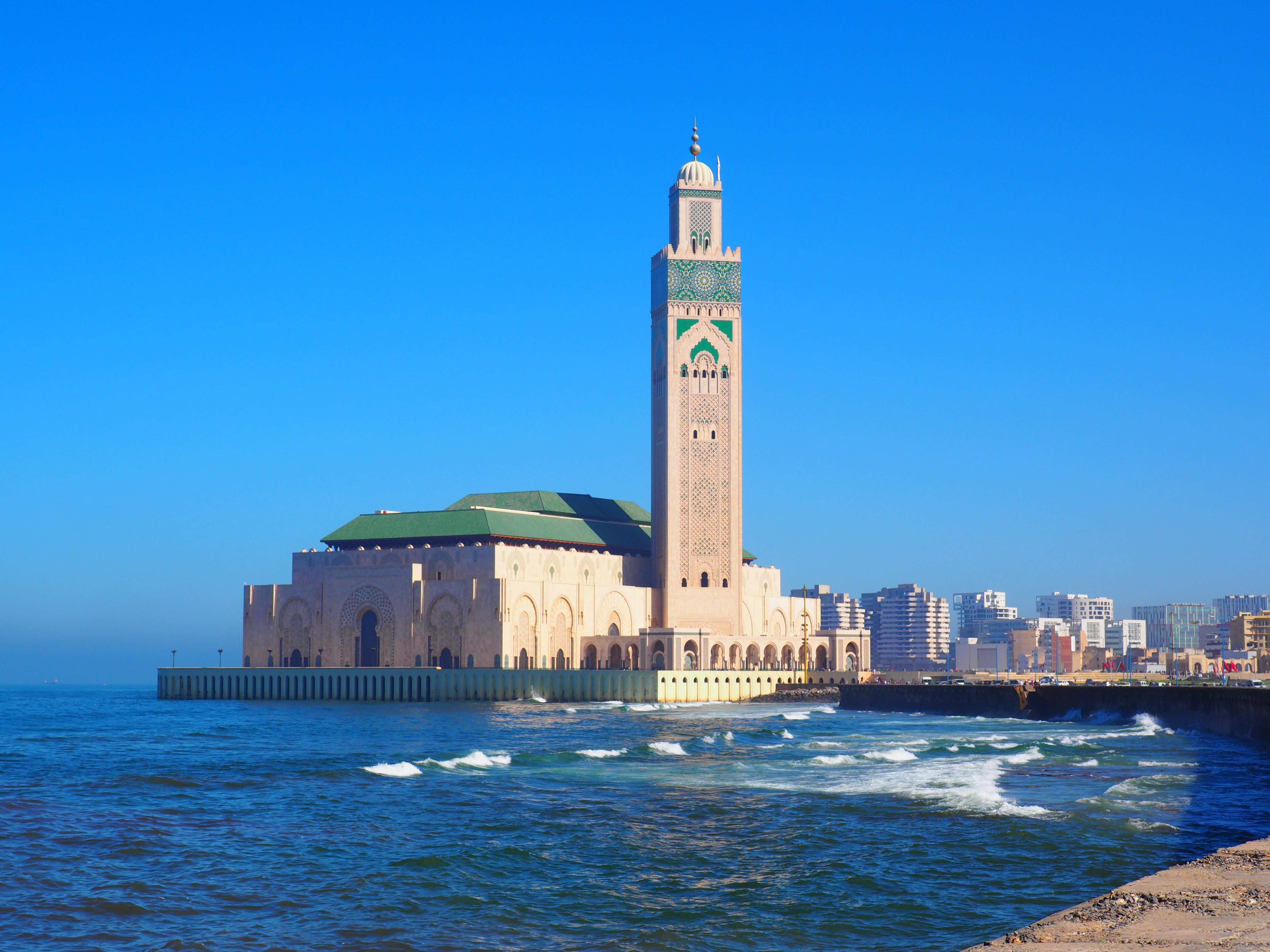
Casablanca has a reputation, largely deserved, as a relentless business and transit hub rather than a curated tourist destination. Most guidebooks and travel agents aggressively steer visitors away from its sprawling concrete limits, rushing them onto trains bound for the romanticized medinas of Marrakech, Fez, or Chefchaouen instead. But with millions of international travelers landing at Mohammed V International Airport (CMN) every year, the logistical question remains: should you immediately flee the city, or does it warrant a closer look? This dispatch conducts a critical, unvarnished audit of Casablanca, stripping away the cinematic nostalgia to determine if 48 hours on the ground is a worthwhile investment of your travel capital.
The Anchor
Hassan II Mosque
City Character
Commercial & Unpolished
Transit Hub
CMN International Airport
Optimal Stay
24 – 48 Hours Max
"Casablanca isn't Morocco's worst city. It's just Morocco's least interested-in-being-a-tourist-destination city, and that is a fundamentally different problem than being 'bad.' It demands you navigate it on its own abrasive terms."
To understand Casablanca is to understand its utility. It is the economic engine of Morocco, accounting for roughly a third of the nation's GDP. Consequently, compared to Marrakech's dense, sensory-overload medina or Fez's profound historical depth, Casablanca's tourist infrastructure is genuinely sparse.
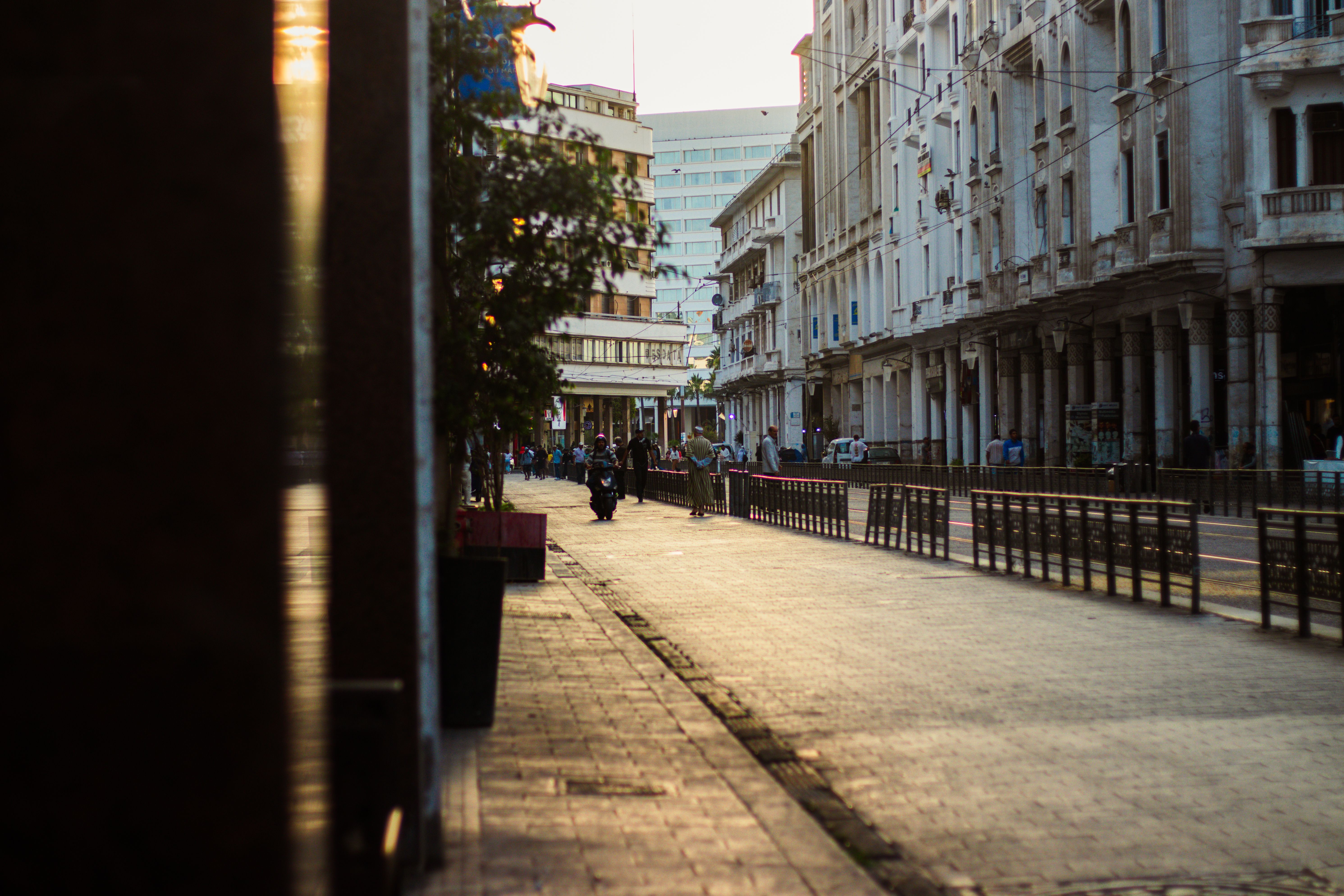
Much of the city functions entirely around daily commerce, global shipping ports, and corporate headquarters. The old medina here is functional and gritty—selling household goods and cheap clothing rather than artisanal leather and hand-woven rugs. The traffic is notoriously brutal, and the aesthetic is dominated by fading French colonial Art Deco architecture slowly giving way to smog and modern concrete blocks. If you are seeking the quintessential, exotic "Moroccan magic" portrayed in travel brochures, starting your trip in downtown Casablanca will deliver a jarring case of culture shock.
Despite its abrasive edges, there is a singular, monumental reason to halt your transit and stay the night: The Hassan II Mosque.
Completed in 1993, it is one of the largest mosques in the world, boasting a 210-meter minaret that shoots a laser directed toward Mecca. But it isn't just the sheer scale that makes it mandatory viewing; it is the breathtaking architectural audacity of its location. Built on a promontory jutting directly out over the violent swells of the Atlantic Ocean, the mosque fulfills a Quranic verse stating that God's throne was built upon the water.
Crucially for international visitors, it is one of the very few Islamic religious sites in Morocco that is open to non-Muslims. The guided interior tours reveal a staggering display of Moroccan artisanship—masterful zellij tilework, hand-carved cedar wood, and Venetian glass chandeliers. Seeing this structure at sunset is, undeniably, worth a 24-hour layover.
Because it is a business capital, Casablanca's pricing structure caters more to corporate expense accounts than backpackers, though deals can still be found. The local currency is the Moroccan Dirham (MAD). Here is a ground-level audit of what 24 to 48 hours will actually cost you:
Budget Transit
Hover or Tap for Details 🔄
Budget Breakdown
Basic hotel near Casa Voyageurs station
Street shawarma & local medina cafes
Mid-Range Explorer
Hover or Tap for Details 🔄
Mid-Range Breakdown
Downtown Art Deco boutique hotel
Central Market seafood & French bistros
Corporate Luxury
Hover or Tap for Details 🔄
Luxury Breakdown
Four Seasons Hotel Casablanca (Oceanfront)
High-end Corniche dining & private transfers
Mohammed V International Airport (CMN) is notorious for chaotic arrivals and aggressive taxi touts. If you are staying in Casablanca or immediately transiting to another city, you must have a clear exit strategy.
The ONCF Train (Highly Recommended): Ignore the taxi drivers shouting at you in the arrivals hall. Follow the signs downstairs to the basement train station. The ONCF train runs approximately every hour and costs about $5 USD. It takes 45 minutes to reach Casa Voyageurs (the main hub for high-speed trains to Tangier and Marrakech) or Casa Port (closer to the downtown hotels and the Medina). It is safe, fixed-price, and circumvents the city's paralyzing traffic.
Grand Taxis: If you arrive late at night when trains are not running, you must negotiate a white "Grand Taxi." The official rate to the city center is generally around 300 MAD (~$30 USD), but drivers will routinely demand 500 MAD from exhausted tourists. Agree on the price before your luggage goes in the trunk.
We must address the cinematic elephant in the room: Rick's Café.
Generations of tourists arrive in Casablanca expecting Humphrey Bogart and Ingrid Bergman's romantic WWII-era saloon. The ground truth? The classic 1942 movie was filmed entirely on a soundstage in Burbank, California. The current Rick's Café in Casablanca is a modern replica, opened in 2004 by an American expat to capitalize on tourist disappointment. It is an excellent architectural recreation with a pleasant jazz ambiance, but it is fundamentally a tourist trap with inflated prices. Go for a cocktail at the bar if you must scratch the nostalgic itch, but skip the overpriced dinner.
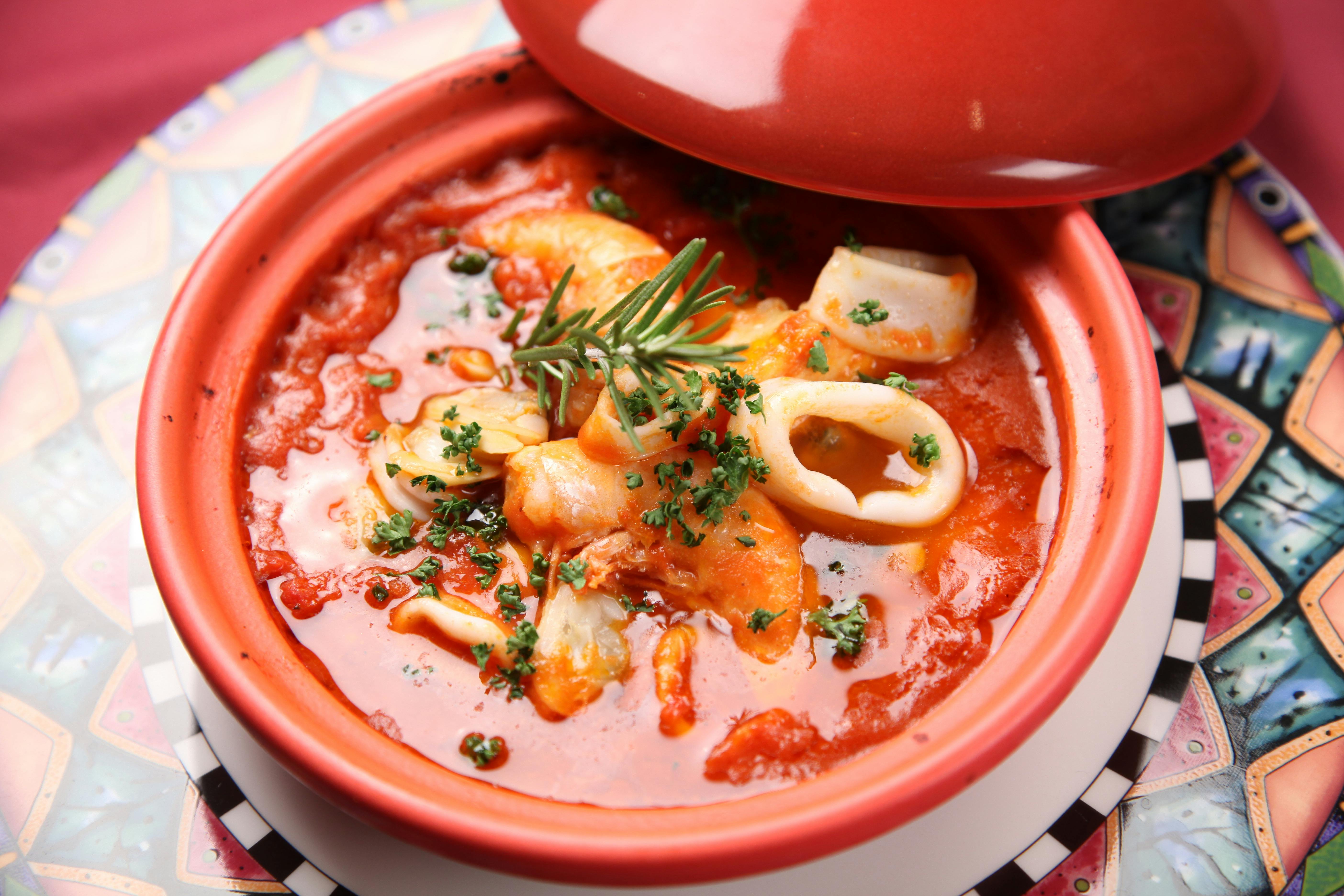
Where to Actually Eat: For an authentic, chaotic, and brilliant culinary experience, head to the Marché Central (Central Market). Here, you can buy fresh oysters, crab, and sea bass directly from the fishmongers, hand your catch to the small grill stands operating on the perimeter, and have a massive, hyper-fresh seafood feast cooked to order for a fraction of the cost of the Corniche restaurants.
If you decide to stay, you need to execute your layover efficiently. Here is how to extract the maximum value out of a 24-hour stop before catching your train south.
Morning (9:00 AM): Pre-book an official morning tour of the Hassan II Mosque. Arrive early to walk the massive oceanside esplanade before the tour buses drop off the crowds.
Midday (12:30 PM): Take a red "Petit Taxi" to the Marché Central for a grilled seafood lunch alongside local businessmen and market workers.
Afternoon (2:30 PM): Walk off lunch by exploring the downtown Art Deco District around Place Mohammed V and Boulevard Mohammed V. Look up at the decaying but fascinating French-Moorish facades (Mauresque architecture) from the 1930s.
Evening (6:00 PM): Head to the Corniche (Ain Diab), the affluent beachfront promenade. Walk the boardwalk as the sun sets over the Atlantic, then settle into one of the many cafes for a mint tea and a shisha before calling it a night.
The Next Morning: Head to Casa Voyageurs station and board the high-speed Al Boraq train to Tangier, or the standard line south to Marrakech. You have successfully conquered Casablanca.
Ultimately, a single overnight stay, built primarily around the mosque and a walk through the Art Deco downtown core, extracts most of what Casablanca has to offer without overcommitting itinerary time that is objectively better spent elsewhere in the country.
If you land at CMN before 2:00 PM and possess high energy levels, you can absolutely skip the city entirely and catch an onward train straight to Marrakech or Rabat. However, if your flight arrives late in the afternoon or evening, fighting your way to another city is unnecessary exhaustion. Book a hotel, wake up to see the ocean crashing against the Hassan II Mosque, eat a great plate of seafood, and leave the following afternoon with zero regrets.
Frequently Asked Questions
One night is generally sufficient. It allows you enough time to see the Hassan II Mosque and the downtown Art Deco architecture without overcommitting itinerary time that is better spent in Fez or Marrakech.
Yes, it is one of the only mosques in Morocco open to non-Muslims. However, access is strictly limited to official guided tours, which operate at specific scheduled times outside of prayer hours.
The most efficient and scam-free method is the ONCF train, which departs directly from the basement of Terminal 1 and drops you at Casa Port or Casa Voyageurs stations in about 45 minutes.
From a critical standpoint, it is a tourist trap. The actual movie 'Casablanca' was filmed entirely on a Hollywood soundstage. The restaurant is a modern replica built to capitalize on the film. The ambiance is nice, but the food is heavily overpriced for what it is.
As a major commercial metropolis, it carries standard big-city risks. Violent crime against tourists is rare, but petty theft, aggressive begging, and taxi overcharging are common. Stick to well-lit areas at night and always negotiate taxi fares before getting in.
Plan Your Transit Logistics 🧳
Don't wing it at the airport. Secure your Hassan II Mosque tours and reliable downtown layover stays in advance.
Book Skip-The-Line Tours Check Layover Hotels