
Chiang Mai is choking on seasonal agricultural smog. Bali is buckling under the weight of unmanageable traffic gridlock and saturated real estate markets. As the world's remote workforce searches for the next sustainable haven, the compass has sharply pointed toward Central Vietnam. Da Nang represents a rare geographical and infrastructural anomaly: a highly developed coastal metropolis where high-speed fiber-optic internet meets $2 bowls of Michelin-worthy noodles, all flanked by an uncrowded 30-kilometer stretch of white sand beach. But beneath the glossy YouTube vlogs praising its affordability lies a complex logistical reality. This ground-level dispatch audits the true state of Da Nang's digital nomad economy—from navigating the gray areas of border-run visa bureaucracy to avoiding the paralyzing floods of monsoon season.
Transit Hub
Da Nang Int'l (DAD)
Optimal Time
Feb - Aug (Dry Season)
Stay Style
Serviced High-Rise Studios
Local Reality
Remote Work Boom
"Da Nang is not a sleepy island retreat; it is a booming, wide-avenued Asian tiger city. Its appeal lies in its staggering efficiency—you can surf at dawn, host a seamless Zoom call on fiber internet by 9 AM, and eat world-class street food for the price of a bus ticket."
For years, Da Nang was viewed merely as an airport transit point between the ancient lantern-lit streets of Hoi An and the imperial city of Hue. Today, it has aggressively repositioned itself as Vietnam's most livable city.
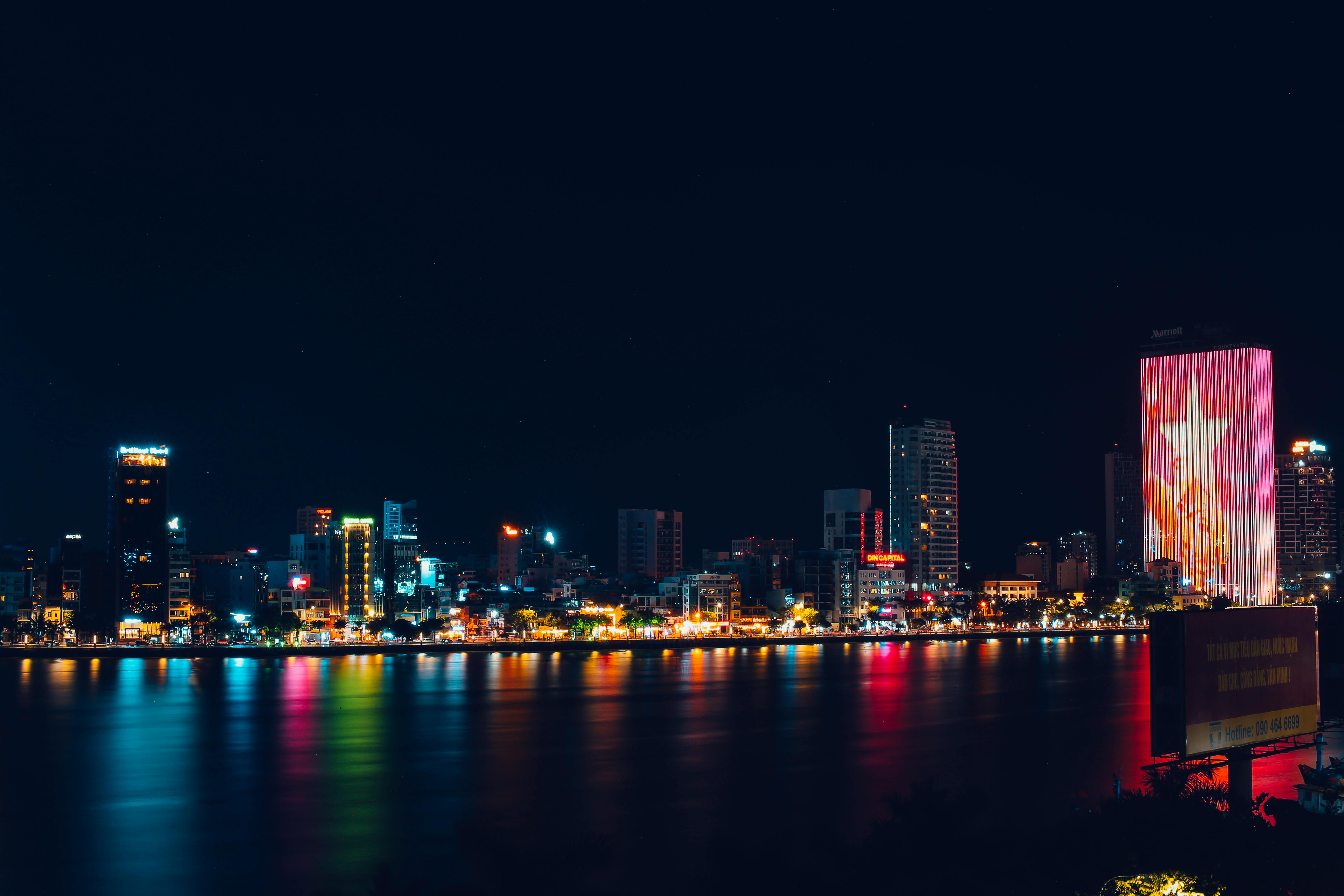
The Urban Design Advantage: Unlike the chaotic, scooter-choked alleyways of Hanoi or Ho Chi Minh City, Da Nang’s infrastructure is incredibly modern. Following a massive post-war redevelopment, the city features sweeping multi-lane boulevards, meticulously paved waterfront promenades, and iconic architecture like the fire-breathing Dragon Bridge. The result is a city that offers the conveniences of a major metropolis but operates at the relaxed, breathable pace of a beach town.
The Geographic Jackpot: The city is bordered by the lush Son Tra Peninsula (Monkey Mountain) to the north, the Marble Mountains to the south, and the calm waters of the South China Sea to the east. This proximity to nature, combined with ultra-low pollution levels (a major pain point for nomads leaving northern Thailand), creates an unmatched quality of life.
Any honest audit of a digital nomad hub must address the legal framework of staying there. Vietnam’s immigration policies have historically been a rollercoaster of sudden changes, causing high anxiety among long-term expats.
The Current Policy (As of Late 2023): Vietnam introduced a highly favorable 90-day, multiple-entry e-Visa available to citizens of all countries and territories. This was a massive win for the nomad community, effectively tripling the duration of the previous 30-day allowance.
The "Border Run" Reality: Because Vietnam does not currently offer a specific "Digital Nomad" or remote worker visa, you are legally entering as a tourist. To stay long-term, you must partake in the regional ritual known as the border run. Every 90 days, expats book a cheap AirAsia flight to Bangkok or Kuala Lumpur for the weekend, or take a grueling 6-hour minivan ride through the mountains to the Lao Bao border crossing in Laos, simply to get an exit stamp and re-enter on a fresh 90-day e-Visa. It is an accepted, institutionalized gray area, but one that adds a layer of bureaucratic fatigue to your annual budget.
Da Nang offers one of the highest standard-of-living to cost ratios in the world. The rental market is oversaturated with modern, fully furnished serviced apartments, driving monthly leases down to astonishingly low rates. Here is a daily cost breakdown based on on-the-ground pricing:
Budget Backpacker
Hover or Tap for Details 🔄
Budget Breakdown
Private homestay room (~$200/mo)
Banh Mi carts & local street Pho
Mid-Range Nomad
Hover or Tap for Details 🔄
Mid-Range Breakdown
Serviced An Thuong Studio (~$400/mo)
Aesthetic cafes, Coworking & Grab deliveries
Luxury Remote Pro
Hover or Tap for Details 🔄
Luxury Breakdown
2-Bed Beachfront Ocean Condo (~$900/mo)
Western steakhouses, private office space
To put this in perspective: A comfortable, middle-class Western lifestyle—complete with a private modern apartment, daily maid service, a monthly gym membership, eating out for every single meal, and daily specialty coffees—can easily be maintained for roughly $1,200 to $1,500 USD per month.
The Han River physically divides the city, creating two vastly different living environments. Choosing where to sign a lease dictates your entire experience.
An Thuong (The Expat Bubble): Located on the beach side (East of the river), this neighborhood is effectively a turnkey nomad colony. The streets are a dense grid of vegan cafes, Irish pubs, Mexican taquerias, and 24-hour convenience stores. English is spoken everywhere. It is highly convenient, incredibly walkable to My Khe beach, but heavily westernized. Expect to pay a 20-30% "expat premium" on rent and food here.
Hai Chau (The Local Downtown): Located on the city side (West of the river), this is the authentic, beating heart of Da Nang. It features incredible local markets (Han Market, Con Market), deeply authentic street food alleys, and a slightly faster pace of life. Rents are significantly cheaper, but you will need to rely more on Google Translate and be comfortable riding a scooter in denser traffic.
The backbone of any nomad hub is its digital infrastructure. Da Nang passes this test with flying colors, though it is not without occasional hiccups.
Cafe Culture as Office Space: Vietnam possesses one of the strongest coffee cultures on the planet. Establishments here actually expect you to bring a laptop and stay for hours. Most multi-level cafes are essentially free coworking spaces, complete with massive tables, accessible power outlets, and Wi-Fi speeds that routinely clock in between 50 to 150 Mbps.
Dedicated Coworking: For those needing ergonomic chairs and soundproof booths for Zoom calls, hubs like Enouvo Space and The Space offer hot desks for around $100 USD a month. They also serve as vital social networking hubs for newcomers trying to break into the community.
⚠️ Infrastructure Notice: Summer Power Loads
During the extreme heatwaves of June and July, air conditioning usage across the city skyrockets. Historically, this has occasionally overwhelmed the regional power grid, leading to unannounced, rolling localized blackouts. If your job relies on 100% uptime for live trading or client calls, ensure your serviced apartment has a backup generator, and always keep your 4G/5G mobile hotspot topped up with data.
Instagram algorithms heavily favor the dry season (February to August), when the sky is violently blue and the ocean is flat and crystal clear. But Central Vietnam experiences severe climatic shifts that dictate nomad migration patterns.
The Monsoon (October – December): Do not underestimate the monsoon season. Da Nang is directly in the path of Pacific typhoons. During these months, torrential, sideways rain can last for days without breaking. The sky remains a heavy gray, and localized street flooding is common in low-lying areas. The ocean becomes rough and dangerous for swimming.
Many veteran expats use this window to execute their visa runs to drier climates in Southern Thailand or Bali, returning to Da Nang in January when the weather begins to cool and clear. If you sign a 6-month lease starting in September, you must be prepared for significant indoor time.
Da Nang sits in the culinary shadow of Hoi An and Hue, yet it quietly boasts some of the best, most affordable regional food in the country.
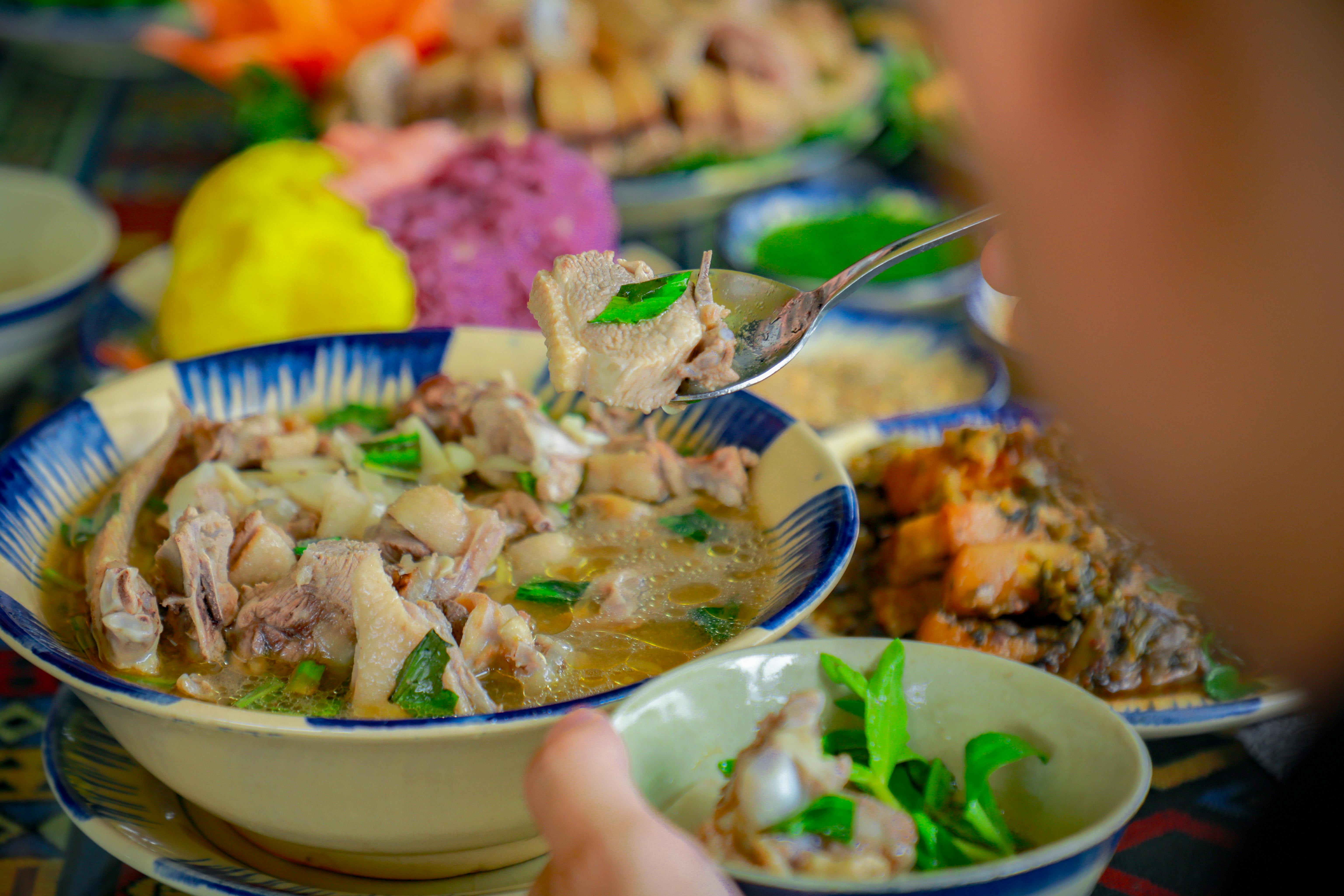
Mi Quang: The undisputed champion of Central Vietnamese cuisine. It is a part-soup, part-salad dish featuring thick, turmeric-dyed rice noodles, a small amount of intensely concentrated pork and shrimp broth, topped with crushed peanuts, quail eggs, and a mountain of fresh local herbs. A bowl at a local street stall will cost roughly 30,000 VND ($1.20 USD).
Banh Xeo: Crispy, savory rice-flour crepes fried with pork and shrimp. The local method involves wrapping the hot crepe in fresh mustard leaves and rice paper, then dipping it into a rich, warm peanut and pork liver sauce.
The Seafood Economy: Along the northern coastal road near the Son Tra peninsula, massive open-air seafood restaurants display their daily catch in bubbling aerated tanks. You point to the clams, prawns, or snapper you want, agree on the per-kilo price, and they grill it over charcoal with chili and lemongrass right in front of you.
Frequently Asked Questions
Da Nang is statistically one of the safest cities in Southeast Asia. Violent crime is exceptionally rare. The most common issues are minor traffic accidents involving scooters and occasional petty theft on the beach at night. Solo female travelers consistently report feeling highly secure walking around the An Thuong and Hai Chau districts after dark.
Unlike Bali, a scooter is not strictly necessary but highly recommended for long-term stays. The city's roads are wide, paved, and far less congested than Hanoi or Ho Chi Minh City, making it a great place to learn. Alternatively, the Grab app (for both cars and motorbike taxis) is incredibly cheap and highly reliable.
Da Nang boasts exceptional internet infrastructure. Almost all modern cafes and serviced apartments offer high-speed fiber-optic connections routinely exceeding 100 Mbps. However, be aware of the occasional damaged undersea cable, which can temporarily slow international routing across the entire country.
Vietnam currently offers a 90-day multi-entry tourist e-Visa for most nationalities. Since there is no official 'Digital Nomad Visa', long-term residents rely on 'border runs'—typically taking a bus to the Lao Bao border with Laos, or a cheap flight to Bangkok or Kuala Lumpur, to reset their 90-day stamp.
Yes. The An Thuong ward (often dubbed the 'expat bubble') in District 3 is densely packed with western-style cafes, craft beer bars, and coworking spaces. Facebook groups like 'Da Nang Expats' are highly active, organizing weekly meetups, beach volleyball, and networking events.
Ready to Setup Your Base in Da Nang? 🧳
Bypass the inflated short-term platforms. Compare long-term serviced apartment rates and secure your arrival flights.
Access Expat Rates & Flights