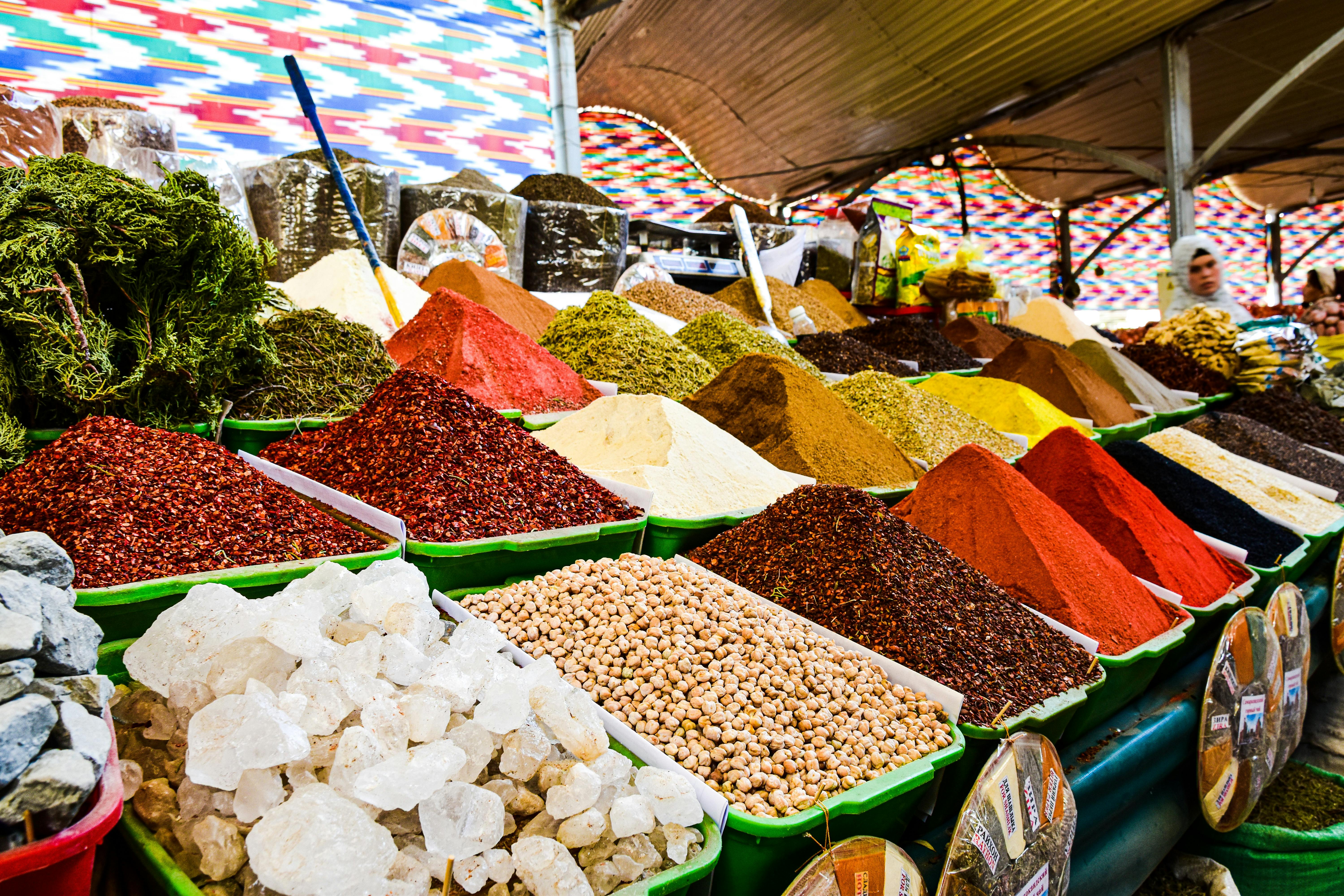
Food tourism has a tendency to sanitize history, reducing deep socio-economic struggles into colorful, easily consumable photo-ops. Durban, a humid, sub-tropical port city on South Africa’s Indian Ocean coast, resists this sanitization fiercely. Home to the largest population of Indian descent outside of India itself, the city's cultural fusion was not born of globalization, but of grueling 19th-century indentured labor and brutal 20th-century segregation. The epicenter of this history is the city's Indian Quarter and the Victoria Street Market. Here, the air is thick with the scent of roasted masala, incense, and the raw hustle of the Central Business District (CBD). This dispatch cuts through the glossy travel brochure rhetoric to investigate the unvarnished reality of Durban’s spice markets, the defiant history baked into every loaf of "Bunny Chow," and the logistical truths of navigating a district that is as complex and gritty as it is culturally magnificent.
Signature Export
Bunny Chow (Hollowed Bread Curry)
Sensory Core
Victoria Street Spice Market
Historical Anchor
1860s Indentured Labor Migration
Ground Reality
High situational awareness required
"Bunny chow isn't a quirky novelty dish invented for Instagram tourists. It is a genuine product of defiance—a culinary workaround forged in the fires of Apartheid segregation—and it remains the true, beating heart of working-class Durban."
To understand the Indian Quarter, you must first understand the brutal economics of the British Empire. Following the abolition of slavery, the British colonial government needed cheap labor to work the grueling, mosquito-infested sugar cane fields of the Natal colony. Beginning in 1860, thousands of indentured laborers were shipped from Madras and Calcutta to Durban on five-year contracts.
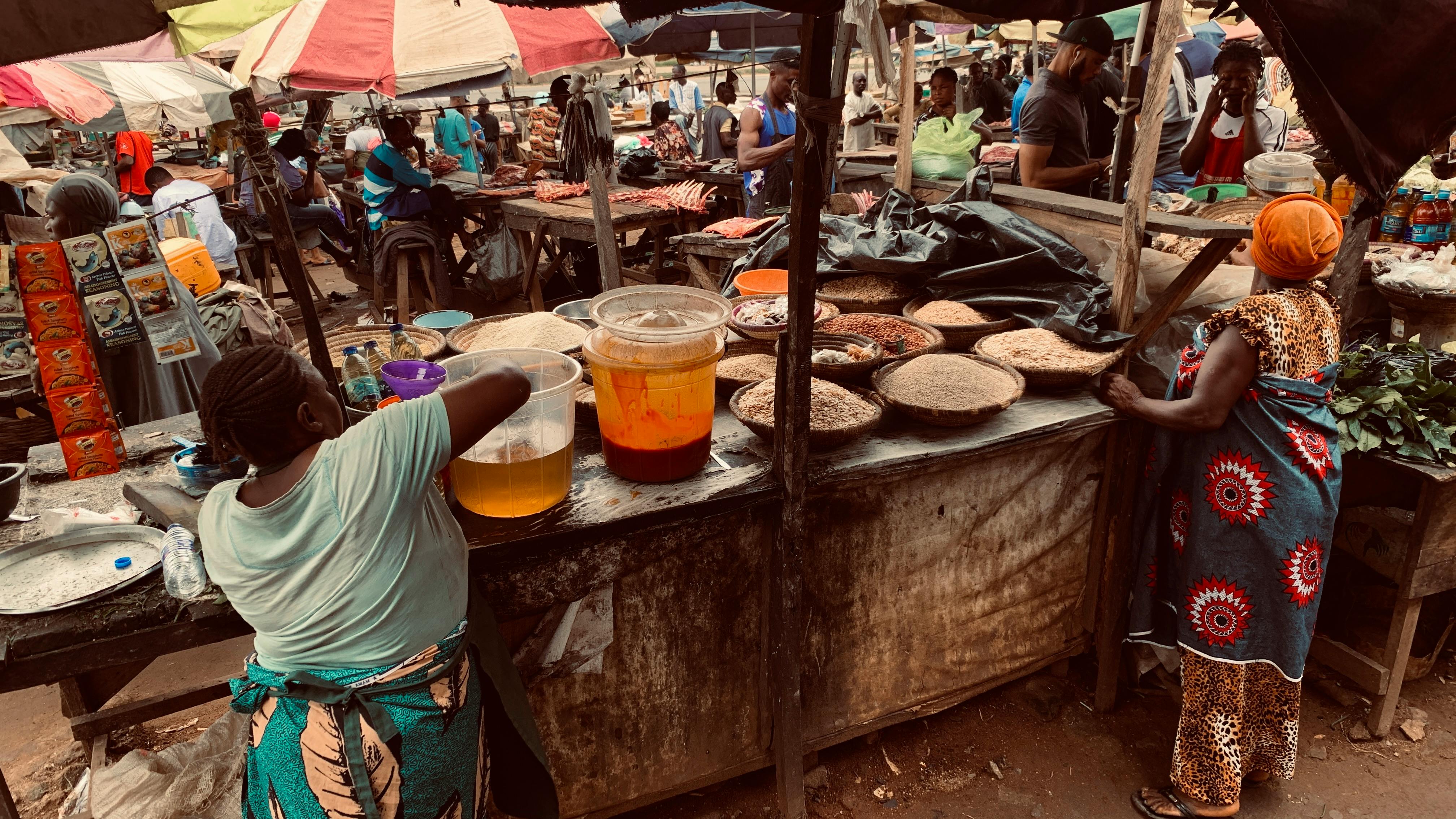
Following their servitude, many chose to stay, establishing a vibrant merchant class. They brought with them the seeds, spices, and architectural styles of the subcontinent, effectively transforming Durban into a cultural hybrid. However, this community later faced the draconian Group Areas Act under the Apartheid regime, which violently forcibly removed non-white citizens from prime commercial and residential areas. The Indian Quarter you see today, centered around Grey Street (now Dr. Yusuf Dadoo Street), is a testament to the community's resilience against systemic erasure.
The Bunny Chow is a quarter, half, or full loaf of standard white bread, hollowed out, and filled to the brim with a rich, fiery curry (traditional options are mutton, broad bean, or chicken). But its origins are deeply rooted in segregation.
During Apartheid, black laborers were legally barred from entering certain cafes and restaurants. Furthermore, they were often not provided with plates or cutlery. Enterprising Indian restaurateurs (often belonging to the Bania caste, which morphed into the term "Bunny") circumvented this by using a hollowed-out loaf of bread as an edible, disposable container. It was cheap, filling, and could be handed out of back windows to laborers on the move.
The Journalist's Guide to Eating It: Put the fork down. Eating a bunny chow with utensils is universally mocked by locals. You begin by tearing off the "virgin" (the chunk of bread scooped out of the center and placed on top) and dipping it into the gravy. As you eat the curry, you gradually tear down the walls of the loaf, which have soaked up the rich, oily spices. It is messy, visceral, and magnificent.
Durban's culinary scene is distinctly unpretentious. The best curries are not found in fine-dining establishments, but in working-class cafeterias and back-alley takeaways. Here is our breakdown of where to experience the city's food culture ethically and economically:
Working Class Hero
Hover or Tap for Details 🔄
Budget Breakdown
Patel's Vegetarian Refreshment Room (Grey Street)
Quarter Bean Bunny. A staple since the 1930s, cheap, rich, and fiercely traditional.
The Local Legend
Hover or Tap for Details 🔄
Mid-Range Breakdown
Gounden's Restaurant & Takeaway (Umbilo)
Quarter Mutton Bunny. Located near a mechanic workshop, it is widely considered the best in the city.
Colonial Elegance
Hover or Tap for Details 🔄
Luxury Breakdown
The Oyster Box Hotel (Umhlanga Rocks)
The famous Curry Buffet. While technically outside the CBD, it offers a vast, elevated tasting of regional spices.
Also known as "The Vic," this indoor market is the sensory nucleus of the Indian Quarter. With over 170 stalls, it is an overwhelming labyrinth of wholesale spices, incense, brassware, and traditional African medicine (muthi).
The Ground Rules for Shopping: If you show interest in a spice blend (like the vividly red "Mother-in-Law" masala), you will be aggressively pitched to buy in bulk. Haggling is expected for souvenirs and fabrics, but less so for small bags of spices which are usually priced fairly by weight. Do not miss the fresh produce section on the lower levels, where you can find fiery African bird's eye chilies and massive jackfruits.
Responsible journalism requires us to address safety without sugarcoating the reality. Durban's CBD, where the Indian Quarter is located, has suffered from urban decay, high unemployment, and significant crime rates in recent years. It is not a sanitized tourist zone; it is a chaotic, working African city center.
⚠️ Security Advisory: Surviving the Hustle
Do not walk around the CBD with your phone out or a DSLR camera around your neck. Pickpocketing and "snatch-and-grab" muggings are prevalent. Keep your valuables concealed inside your clothing. Never visit the area after dark—the streets empty out and become highly dangerous. Take an Uber directly to the entrance of the Victoria Street Market, and call your Uber from inside the market when you are ready to leave.
The Case for a Guide: While independent budget backpackers do navigate the area, the most stress-free and insightful way to experience the district is by hiring a local walking guide. They provide a physical buffer against street harassment and offer invaluable historical context that you simply cannot get from reading plaques.
Frequently Asked Questions
Bunny chow is a quintessential Durban street food consisting of a hollowed-out loaf of white bread filled with a rich, spicy curry (mutton, chicken, or beans). It is eaten entirely with your hands, using the hollowed-out bread cap as your primary utensil.
Yes, the Victoria Street Market is centrally located in Durban's CBD. However, the surrounding area can be gritty and overwhelming. While you can visit independently during daylight hours, many travelers prefer a local guide to provide historical context and a layer of security.
Durban's CBD requires a high degree of situational awareness. Petty theft and muggings are realities in the area. Visit only during the day, do not wear flashy jewelry or handle expensive cameras openly on the street, and take an Uber directly to and from the market entrances.
Beginning in 1860, the British colonial government brought thousands of indentured laborers from India to work in the grueling sugar cane fields of the Natal colony. Today, Durban is home to the largest concentration of people of Indian descent outside of India.
Absolutely. Asking for a knife and fork to eat a Bunny Chow is considered a major cultural faux pas. You tear off pieces from the 'virgin' (the bread scooped from the center) and the sides of the loaf, dipping them into the curry.
Navigate Durban Like a Local 🗺️
Skip the tourist traps and safely explore the CBD. Uncover verified street food walking tours and secure accommodations.
Book a Guided Market Tour Check Secure Stays