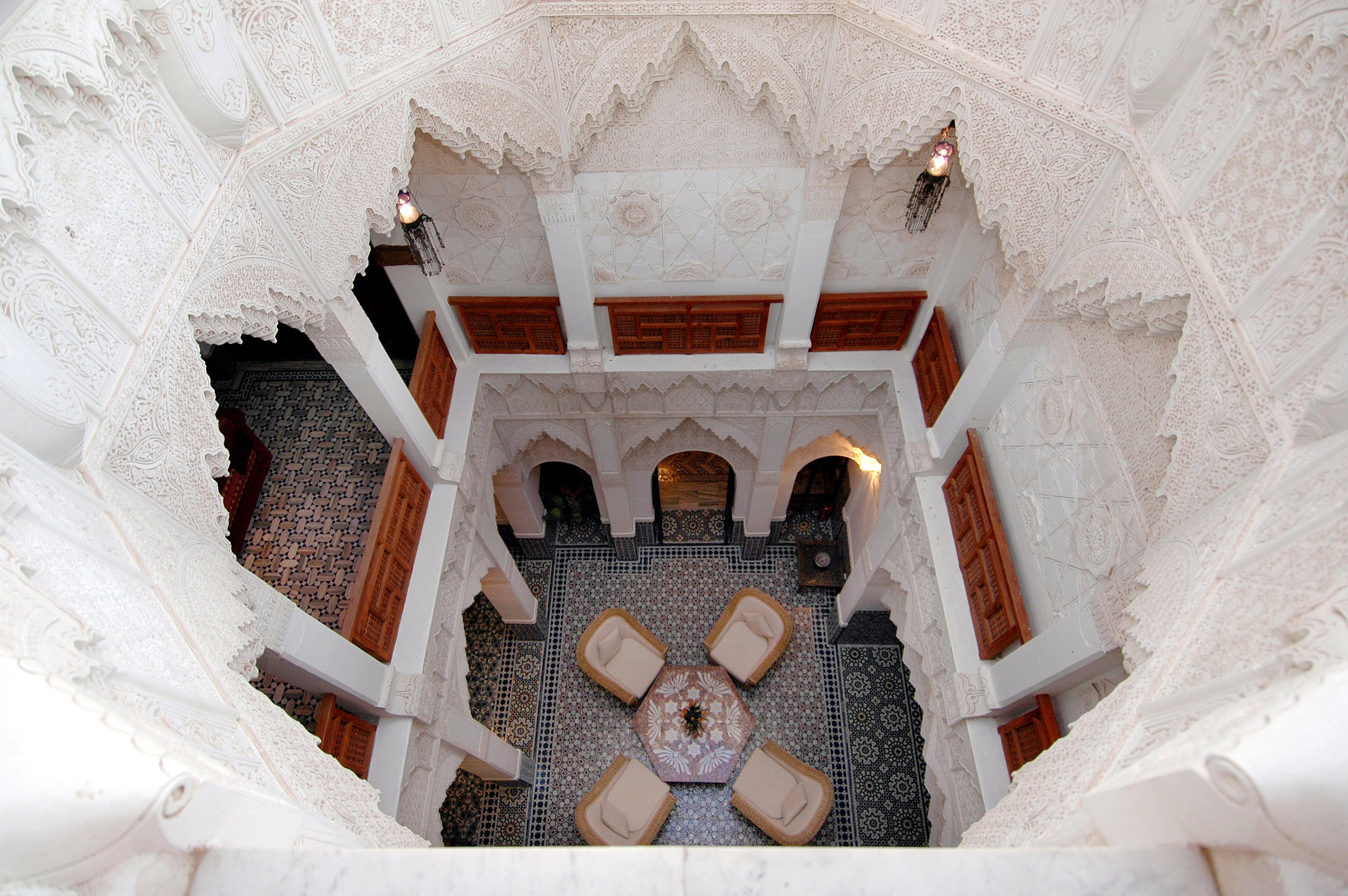
Social media algorithms have heavily romanticized the Moroccan "riad"—the traditional courtyard home hidden behind the windowless, dust-colored walls of the medina. Glossy photos showcase pristine plunge pools and breakfasts served on silver platters under banana leaves. But an on-the-ground audit of Marrakech’s hospitality infrastructure reveals a much more nuanced reality. At the mid-range price tier, a riad and a standard international hotel will cost you exactly the same amount of Dirhams. Yet, the value each delivers is radically different. Choosing between them isn't merely an aesthetic preference; it is a fundamental decision on how much logistical friction you are willing to endure for authenticity, and whether you want to live inside the labyrinth or simply observe it from the outside.
The Riad Reality
Atmospheric, intimate, medina-based
The Hotel Standard
Predictable, accessible, outside the walls
Price Overlap
Parity hits at the $80-$150/night mark
The Core Trade-Off
Cultural immersion vs. Logistical ease
"A riad sells you an immersive, sometimes chaotic reality. A hotel sells you a predictable retreat. Neither is the wrong answer—but in Marrakech, you must know exactly what friction you are paying for."
A riad (or the slightly smaller dar) is an architectural marvel designed for privacy and temperature control. Rooms face inward toward an open-air central courtyard rather than outward to the street. The atmosphere is undeniable: waking up to the smell of fresh msemen (Moroccan flatbread) and the sound of a central fountain is a transportive experience.
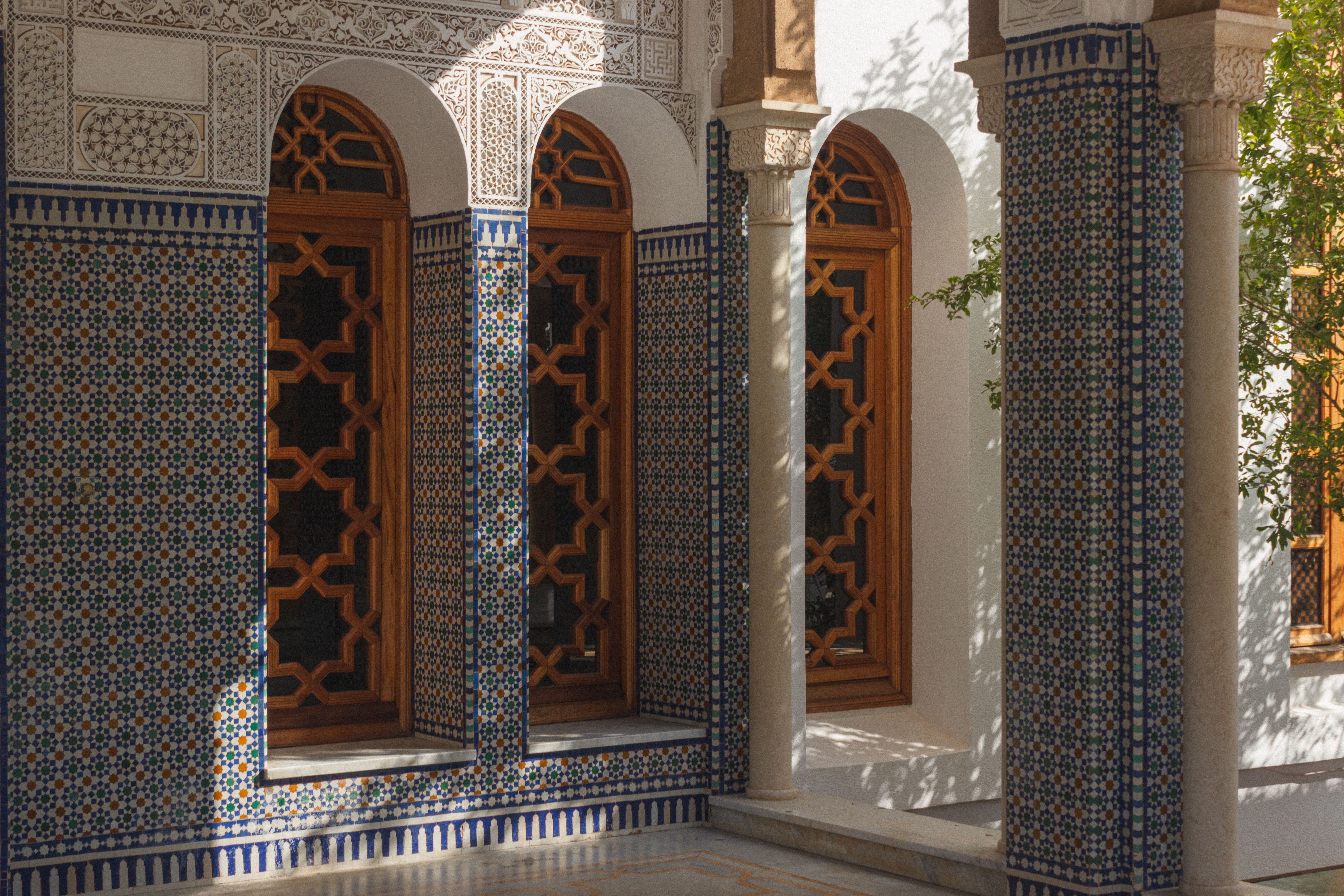
The Hidden Friction: The trade-off for this authenticity is accessibility. The medina (the old city) is a pedestrian-only maze. Taxis cannot reach your front door. If you book a riad deep in the medina, you will be dropped off at a perimeter gate. You must then navigate a labyrinth of donkey carts, motorcycles, and aggressive touts while dragging your roller bags over uneven cobblestones for up to 20 minutes.
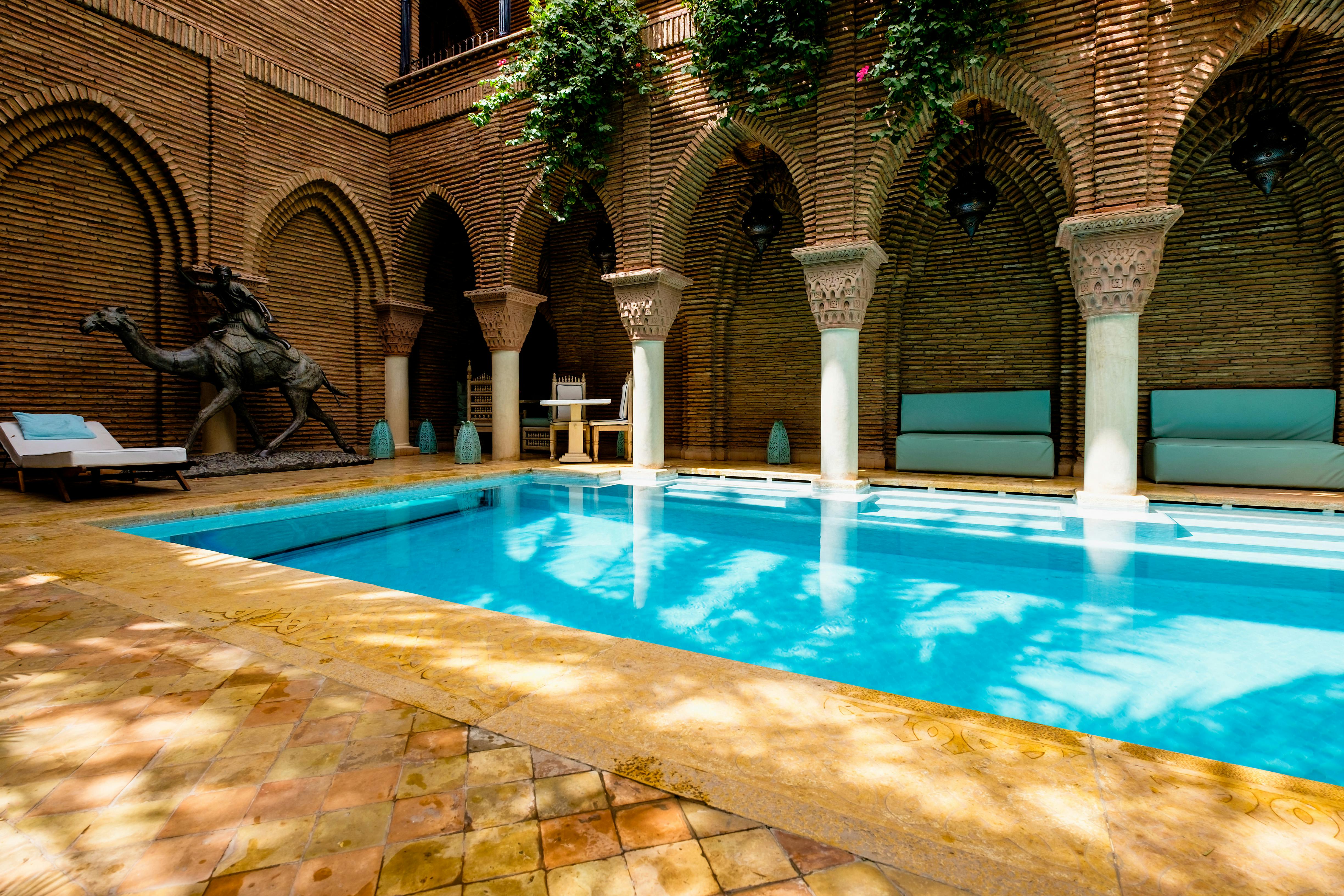
Furthermore, because riads are historic homes, walls can be thin, staircases are steep and lack elevators, and the "plunge pools" you see online are often the size of a large bathtub—refreshing, but not meant for swimming laps.
If you cross outside the 12th-century walls of the medina into neighborhoods like Gueliz (the French-built new town) or Hivernage, the hospitality landscape shifts to standard international hotels. Here, your dirham buys infrastructure.
The Hotel Advantage: Taxis drop you directly at a sprawling lobby. You get elevators, sprawling swimming pools designed for actual lounging, centralized and whisper-quiet air conditioning, and on-site gyms. For travelers with mobility issues, heavy luggage, or those arriving late at night, this lack of friction is incredibly valuable.
The downside? You forfeit the "Moroccan soul." Waking up in a standard hotel in Gueliz feels much like waking up in Madrid or Dubai. You are insulated from the chaotic magic of the city, requiring a 15-minute cab ride just to reach the souks.
How do they actually compare dollar-for-dollar? Our investigative audit across three budget tiers reveals where your money goes depending on the route you choose.
Budget Tier
Hover or Tap for Details 🔄
The Budget Reality
A basic room, potentially shared bathroom, no pool, fan only. Great location, low comfort.
Standard chain (like Ibis) near the train station. Clean, private bath, AC, but zero local charm.
Mid-Range Parity
Hover or Tap for Details 🔄
The Sweet Spot
Beautifully restored, private en-suite, AC, courtyard plunge pool, highly personalized service.
4-star resort in Hivernage. Large outdoor pool, buffet breakfast, seamless taxi access.
Luxury Class
Hover or Tap for Details 🔄
High-End Reality
Boutique palaces (e.g., El Fenn). Private rooftop dining, in-house hammams, curated art.
Global luxury (Four Seasons/Mamounia). Expansive gardens, multiple restaurants, peak convenience.
To understand the choice, you must understand the geography of Marrakech. The Medina is a walled circle. Gueliz and Hivernage sit to the west.
The Journalist's Playbook: If it is your first time in Marrakech and you are staying for 3 nights, book a riad. The friction is worth the cultural immersion. If you are staying for a week, or using Marrakech as a base for day trips to the Atlas Mountains or Agafay Desert, book a hotel in Hivernage. The logistical ease of getting tour vans and taxis to your lobby every morning will save you hours of exhausting navigation.
For travelers attempting the riad route, there is a distinct ground-level reality regarding arrival that is rarely discussed in travel brochures.
⚠️ Logistical Warning: The Medina Arrival
Because your airport taxi cannot enter the medina, you will be deposited at a gate (like Bab Bou Jeloud or Jemaa el-Fnaa). Do not attempt to wheel heavy luggage through the medina yourself; GPS signals bounce off the high walls, and the cobblestones will destroy your wheels. Instead, arrange for your riad to send a porter, or hire a local worker with a carrosse (a wooden handcart) waiting at the gates. Negotiate the price beforehand (usually 20-40 MAD / $2-$4) to wheel your bags directly to your door.
If navigating this scenario sounds stressful rather than adventurous, a standard hotel is strictly recommended.
Frequently Asked Questions
Not necessarily. Our audit reveals a significant pricing overlap at the mid-range tier ($80-$150). You are essentially trading standard hotel amenities (large pools, gyms) for bespoke architecture and a central medina location.
Yes. Cars cannot enter the deep alleys of the medina. You will be dropped at a perimeter gate and will either need to carry your luggage yourself or hire a local with a handcart (carrosse) to transport your bags through the labyrinth.
Modern, restored mid-range and luxury riads absolutely have AC. However, budget 'dars' (smaller traditional houses) may only offer fans. Always verify AC in the listing before booking, especially from June to September.
Ready to Make the Call? 🧳
Compare current rates across Marrakech's finest hidden riads and accessible luxury hotels.
Compare Live Rates Explore Local Tours