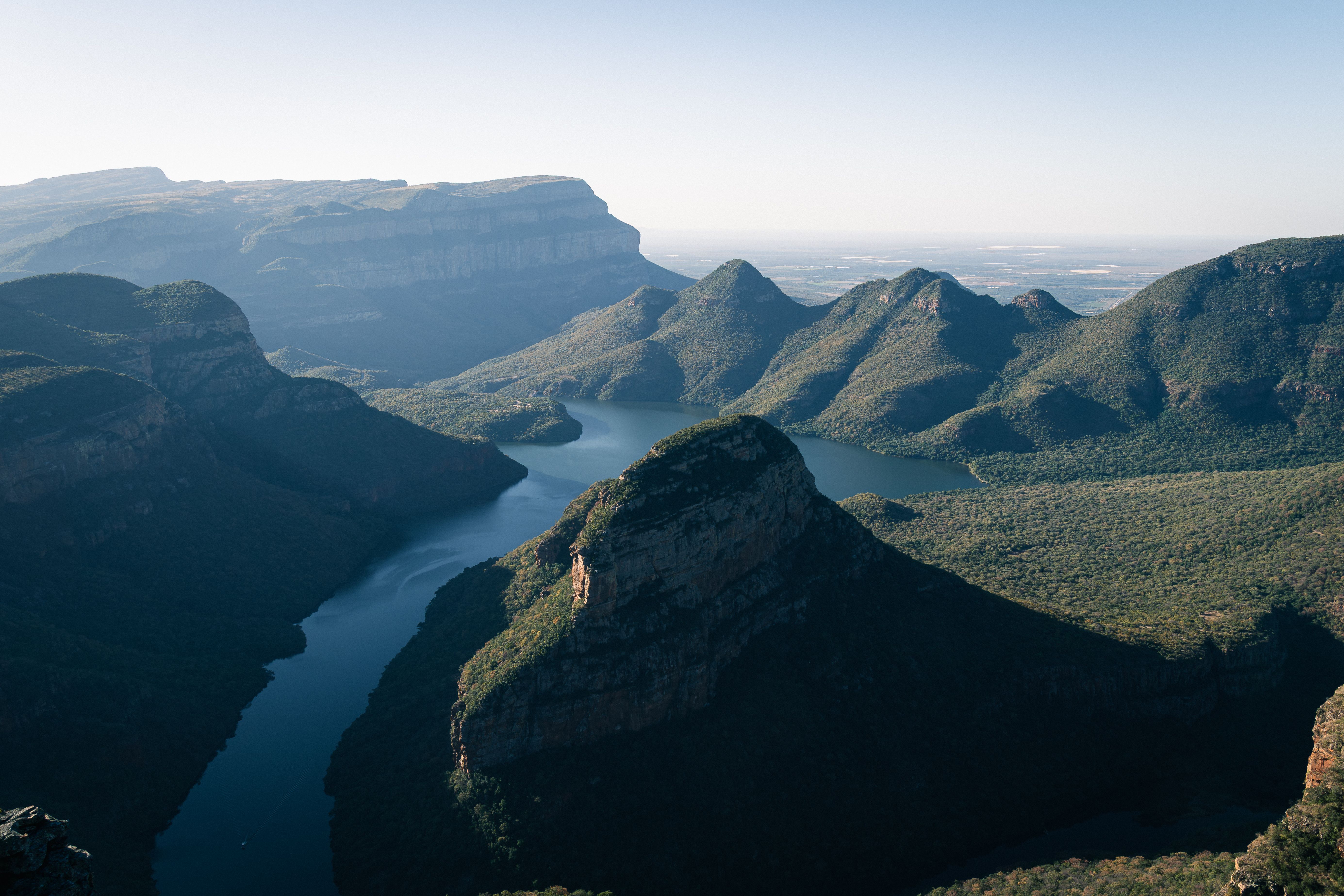
The romanticism of the open road often clashes violently with the economic realities of modern travel infrastructure. Mpumalanga’s Panorama Route—a dramatic, high-altitude escarpment harboring the world’s third-largest canyon—is marketed globally as South Africa’s ultimate scenic drive. The tourism brochures promise effortless vistas of plunging waterfalls and the sweeping, green immensity of the Blyde River Canyon. But an on-the-ground audit reveals a complex micro-economy operating behind the guardrails. From the privatized toll gates of the N4 highway to the fragmented tariff systems at every natural viewpoint, driving this route requires strategic financial planning. This dispatch breaks down the actual logistics, the hidden costs, and the infrastructure realities of navigating one of Africa's most breathtaking, yet heavily monetized, landscapes.
Distance
~160km Circuit
Start Point
Graskop / Sabie
Transport
Rental Car Essential
Currency Reality
Cash-Heavy (ZAR)
"You aren't just paying for the petrol to reach the canyon edge; you are paying entry into a deeply fragmented provincial economy where every waterfall, viewpoint, and geological anomaly operates its own independent tollbooth."
To understand the logistics of the Panorama Route, you must map its geography. The route is not a single point from A to B, but rather a looped circuit concentrated along the R532 highway, perched high on the Drakensberg Escarpment. It serves as the geographical boundary where the highveld sharply drops off into the lowveld of the Kruger National Park.
The Hubs: Most travelers base themselves in either Graskop (the most central, offering immediate access to the viewpoints) or Sabie (slightly further south, famous for its forestry and waterfalls).
Getting There: If you are driving from Johannesburg (O.R. Tambo International Airport), expect a 4.5 to 5-hour drive on the N4 highway to reach the start of the route. Alternatively, domestic flights into Kruger Mpumalanga International Airport (MQP) in Nelspruit will cut your drive time to roughly 1.5 hours, though rental cars at MQP often carry a premium airport surcharge.
The most jarring financial reality for international visitors is the realization that nature here is strictly commodified. Unlike national parks in other countries where a single pass grants multi-day access, the Panorama Route operates on a highly fragmented, pay-per-view basis managed by different provincial authorities and private entities.

The Tariff Audit (Subject to annual municipal increases):
• God’s Window / Pinnacle Rock: ~R30 ($1.60) per person.
• Mac Mac Falls / Lisbon Falls: ~R30 ($1.60) per person.
• Bourke’s Luck Potholes: ~R150 ($8.00) per international adult. (This is the most developed site with paved bridges, geological exhibits, and the steepest fee).
• Three Rondavels (Blyde River Canyon): ~R80 ($4.20) per person.
The Cash Warning: While the ticket booths nominally accept credit cards, the region is highly susceptible to "loadshedding" (scheduled national power blackouts) and spotty mountain cell service. When the network drops, the card machines go dead. If you do not have physical South African Rand in small denominations (R50 and R100 notes), you will be denied entry to world-class views after driving thousands of miles.
The South African Rand (ZAR) frequently trades at a highly favorable exchange rate for USD, EUR, and GBP holders. However, fuel and vehicle costs are relatively high. Here is our exclusive financial breakdown for a 2-day trip structure:
Budget Roadtripper
Hover or Tap for Details 🔄
Budget Breakdown
Backpacker hostels in Graskop
Self-catering & local farm stall meat pies
Mid-Range Explorer
Hover or Tap for Details 🔄
Mid-Range Breakdown
Comfortable Guesthouses or B&Bs in Sabie
Pub dinners & famous Graskop pancakes
Escarpment Luxury
Hover or Tap for Details 🔄
Luxury Breakdown
Private eco-lodges on the canyon edge
Fine dining, wine pairings & private guides
*Note: These costs exclude the initial vehicle rental and the petrol required to reach Mpumalanga from major airports, which can significantly alter your baseline budget.
Procuring a rental car is mandatory. The Panorama Route has zero reliable public transportation, and joining a massive 40-seater tour bus destroys the freedom that makes this region spectacular. However, navigating the rental agreements requires sharp attention.
The Tire and Glass Trap: When renting a car in South Africa, standard insurance often excludes damage to tires, hubcaps, and the undercarriage. Because the R532 (the main artery of the Panorama Route) is notorious for severe, rim-bending potholes, purchasing the premium "Super Cover" that explicitly includes tire and glass damage is a non-negotiable expense. It is a necessary financial hedge against the municipality's failure to maintain the roads.
Highway Toll Plazas: If driving from Johannesburg, you will utilize the N4 toll route. There are several large, physical toll plazas (e.g., Middelburg, Machado). They do not accept foreign credit cards easily. You must ensure you have a minimum of R300 in cash in your console before leaving the airport, or request that your rental agency provides a vehicle fitted with an automated e-toll tag (which will bill your card retroactively).
Journalistic integrity demands an honest assessment of the road conditions. While the natural formations like Bourke's Luck Potholes are beautiful, the man-made potholes on the asphalt are a severe hazard.
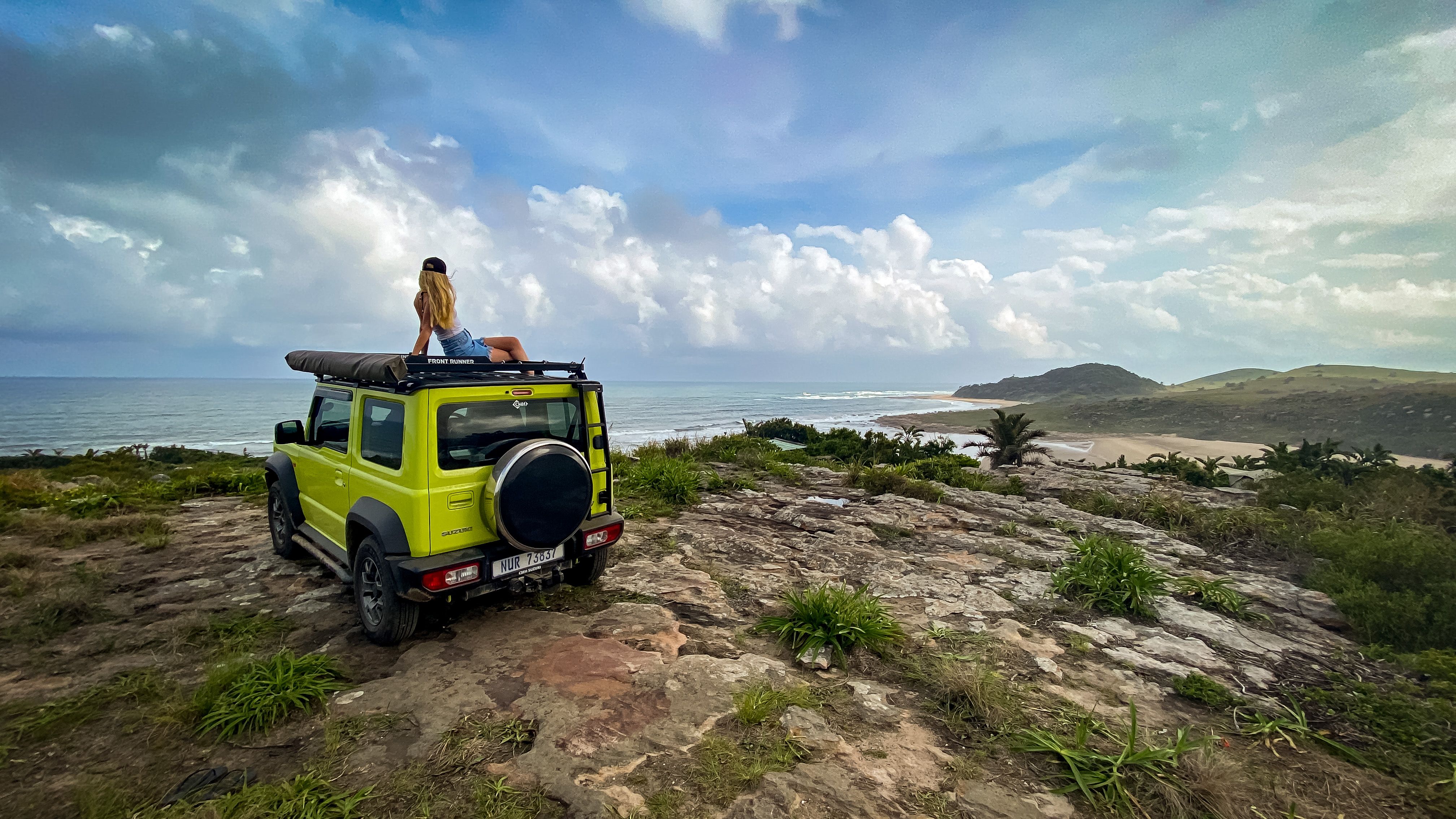
The Pothole Epidemic: The stretch of road between Graskop and the Blyde River Canyon can be deeply degraded, particularly after the summer rains (December - February). Driving requires active, hyper-focused steering. Do not attempt to gaze at the scenery while operating the vehicle; pull over into designated lay-bys.
The Mist Hazard: The Drakensberg Escarpment sits at a high altitude. Weather conditions can change rapidly, and thick, soupy fog can reduce visibility to zero within minutes. Because of this—and the threat of wandering livestock or unlit vehicles—you must enforce a strict, personal curfew. Never drive the Panorama Route after dusk. Plan to be securely back at your accommodation by 5:30 PM.
To maximize value and avoid the gridlock of tour buses arriving from Hazyview, you must operate on a counter-cyclical schedule.
Day 1: The Waterfalls & The Pinnacle
• Morning: Base yourself in Graskop. Head out early to beat the crowds at God's Window. Walk past the initial lower viewpoints (where the buses stop) and hike the steep path up into the indigenous rainforest to reach the true summit views.
• Midday: Drive the short loop to see The Pinnacle Rock (a massive freestanding quartzite pillar) and Lisbon Falls (the highest waterfall in the area at 94 meters).
• Afternoon: Return to Graskop to ride the Graskop Gorge Lift. While heavily commercialized, the 51-meter descent into the Afromontane forest via a glass elevator, followed by a suspended wooden boardwalk trail, is a genuinely impressive piece of eco-infrastructure.
Day 2: The Great Canyon Circuit
• Early Morning: This is your main driving day. Drive north on the R532 directly to Bourke’s Luck Potholes. Arrive exactly when the gates open at 7:00 AM. You will have the mesmerizing, water-carved geological formations entirely to yourself before the midday heat and crowds arrive.
• Late Morning: Continue north to the crown jewel: the Three Rondavels viewpoint. Staring out over the massive Blyde River Canyon reservoir, flanked by three grass-covered mountain peaks shaped like traditional African huts, justifies the cost of the entire trip.
• Afternoon: Descend the escarpment via the winding Abel Erasmus Pass, leaving the cool highlands behind to enter the heat of the Lowveld, setting you up perfectly to enter the gates of the Kruger National Park.
The culinary landscape of the route leans heavily toward traditional, hearty South African comfort food, designed for road-weary travelers.
Harrie's Pancakes (Graskop): This institution has dominated the local food scene for decades. It is undeniably touristy, but the savory pancakes filled with local ingredients like bobotie (spiced minced meat) or biltong and cheese are massive, reasonably priced, and essential to the route’s folklore.
Farm Stalls (Padstals): The true essence of the South African road trip is the "Padstal" (farm stall). Look out for roadside vendors operating out of wooden shacks near Sabie and Hazyview. They are the prime places to purchase highly addictive Macadamia nuts (the region is a major global producer) and artisanal biltong (cured, spiced dried meat) directly from the source.
Frequently Asked Questions
Yes, it is generally safe, provided you follow strict road trip protocols. Never drive after dark due to thick mountain mist, wandering livestock, and severe potholes. Always lock your doors at intersections and do not leave visible valuables in your parked car at the viewpoints.
A 4x4 is not strictly necessary as the entire Panorama Route is paved. However, due to deteriorating municipal road maintenance and frequent potholes (especially on the R532), an SUV with high ground clearance will save you significant stress and potential tire damage.
The economy of the route operates on a per-site basis. Expect to pay anywhere from R30 (approx. $1.60 USD) for minor waterfalls up to R150 (approx. $8.00 USD) per person for major attractions like Bourke's Luck Potholes or the Three Rondavels.
You must carry a substantial amount of cash in South African Rand (ZAR). While major petrol stations and restaurants accept credit cards, the card machines at the provincial nature reserve gates frequently go offline due to localized power outages (loadshedding) or poor cellular reception.
Absolutely. The Panorama Route sits on the escarpment directly above the Kruger lowveld. It is the perfect 1-to-2-day precursor before dropping down via Hazyview or Hoedspruit to enter the national park for your safari.
Ready to Navigate the Escarpment? 🧳
Secure your high-clearance rental vehicles and canyon-edge eco-lodges before the high season surge.
Compare Rental & Lodge Rates