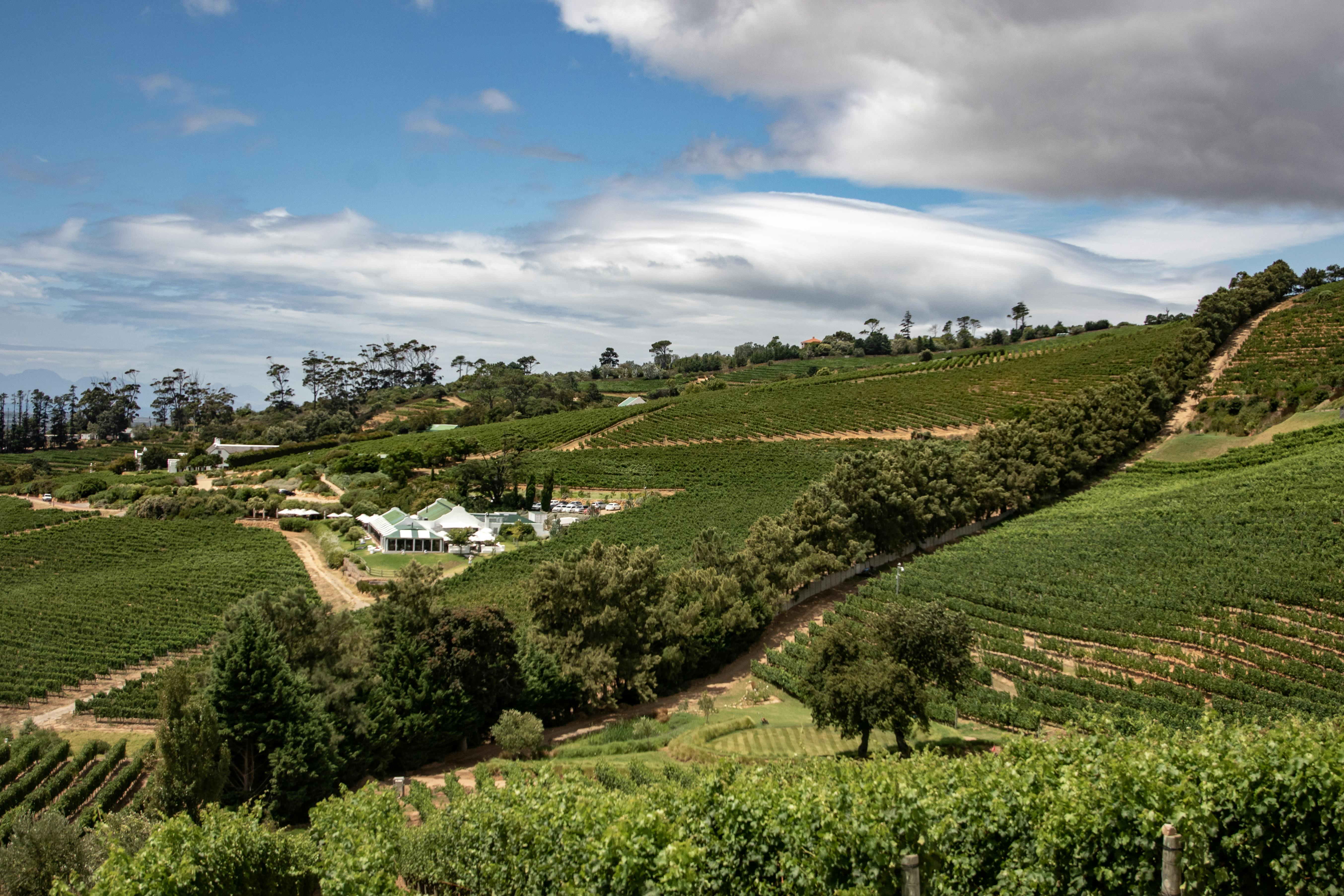
The Cape Town day-trip industrial complex relies on a highly predictable, highly lucrative formula: cram visitors into an air-conditioned shuttle, rush them through four commercial wine estates in a single afternoon, and have them back at the V&A Waterfront by dinner. It is an efficient model, but it effectively turns a region rich in 300-year-old agricultural heritage into a superficial assembly line. By the third stop, tasting flights blur together, palate fatigue sets in, and the true character of the Cape Winelands is completely lost. However, a quiet revolution is taking place beyond the crowded tasting rooms. A growing cohort of historic estates is shifting the regional paradigm away from high-volume day traffic toward slow-travel farm stays and hyper-curated gastronomic pairings. This dispatch investigates how lingering on a working farm fundamentally alters your understanding of Stellenbosch, replacing the rushed tourist circuit with an authentic agrarian reality.
The Industry Default
Rushed 4-hour tasting circuits
The Antidote
Multi-night estate farm stays
Culinary Shift
Dedicated terroir pairing menus
Logistics
45-minute drive from Cape Town
"Tasting four distinct vintages across four different farms in three hours doesn't build appreciation; it builds a hangover. To actually understand Stellenbosch, you have to wake up when the mist is still hanging over the Simonsberg mountains, long before the first tour bus shifts into gear."
To evaluate the current state of Stellenbosch tourism, one must look at the mechanics of the standard day trip. Between 11:00 AM and 3:00 PM, the major arterial roads (the R44 and R310) are clogged with minivans. The most heavily marketed estates have transformed into slick hospitality machines capable of processing thousands of visitors daily.
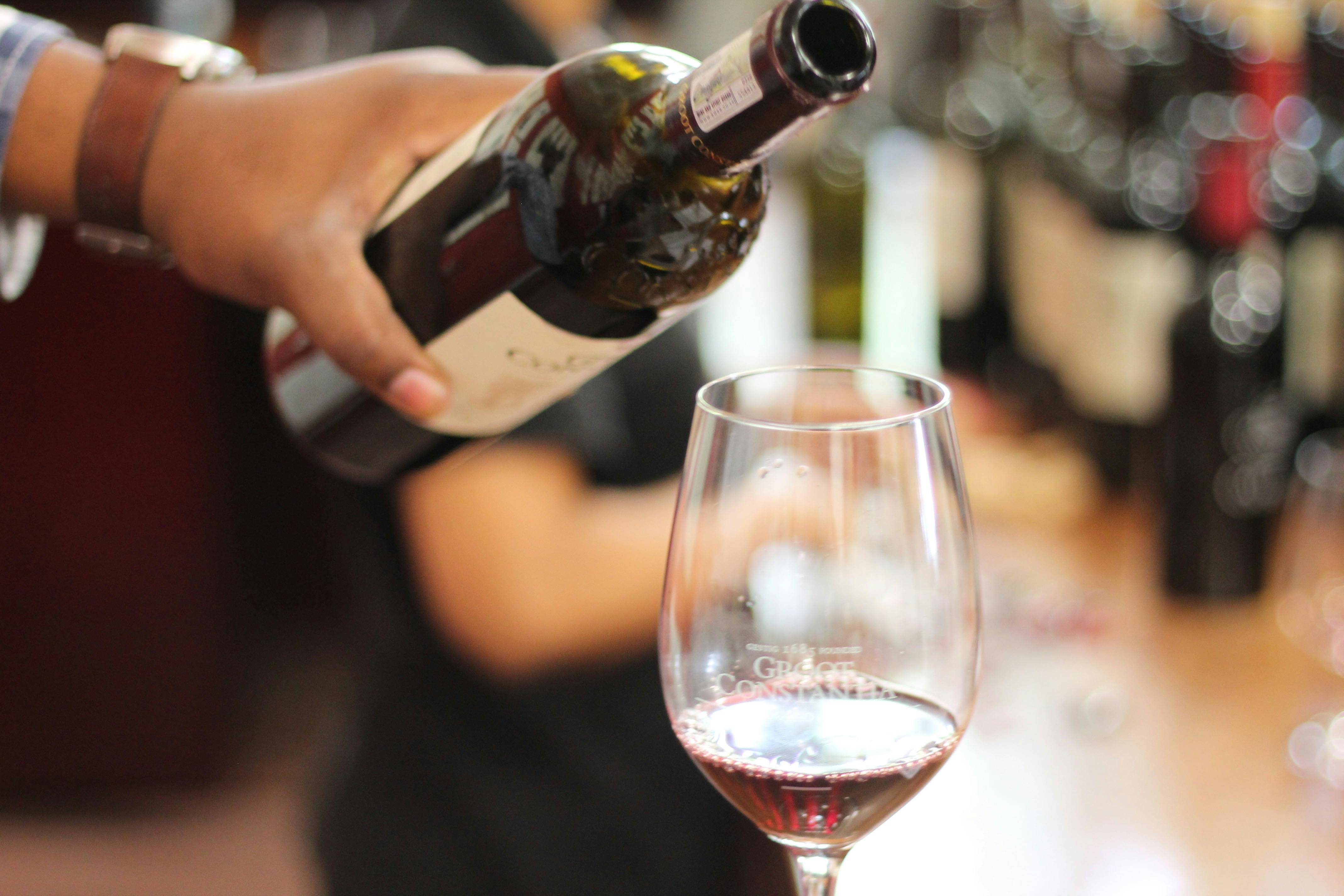
While the wine poured at these mega-estates is undeniably high quality—South Africa's Chenin Blanc and Pinotage punch well above their weight globally—the experience is inherently curated for speed. You are seated, poured five half-glasses in rapid succession by an overworked sommelier, sold a branded bottle opener, and ushered out. The connection to the actual earth producing the wine is completely severed.
The solution to this superficiality is to anchor yourself directly into the agricultural rhythm of the region. Dozens of historic Cape Dutch estates—some dating back to the late 1600s—have converted original farm worker cottages, manor houses, and stables into bespoke accommodations.
The Morning Reality: When you sleep on a wine farm, the entire context changes. At 7:00 AM, there are no tourists. Instead, you hear the crunch of gravel as the vineyard managers head out on tractors. You can walk for miles through dew-soaked vineyards, passing free-roaming ducks (used for natural pest control) and organic vegetable gardens. Estates like Babylonstoren, Spier, and Boschendal allow overnight guests exclusive access to their grounds before the public gates open. This is where the true value of the Winelands lies: in the quiet, unfiltered observation of an ecosystem at work.
Because the South African Rand (ZAR) frequently trades favorably against the USD, EUR, and GBP, luxury in Stellenbosch is highly accessible. However, prices vary wildly based on the depth of the experience. Here is our on-the-ground breakdown:
Independent Explorer
Hover or Tap for Details 🔄
Budget Breakdown
Self-catering cottage in central Stellenbosch
Standard walk-in tasting flights ($5-$10 ea)
Boutique Farm Stay
Hover or Tap for Details 🔄
Mid-Range Breakdown
Private suite on a working wine estate
Estate-grown farm-to-table lunch pairing
Cape Dutch Luxury
Hover or Tap for Details 🔄
Luxury Breakdown
Restored historic manor with private pool
Helicopter transfers & private cellar dining
For decades, food at a South African wine tasting consisted of biltong (cured meat) or a generic platter of imported cheeses. Today, Stellenbosch is arguably the culinary capital of the African continent, and the tasting room paradigm has shifted aggressively toward hyper-local, multi-course pairing menus.
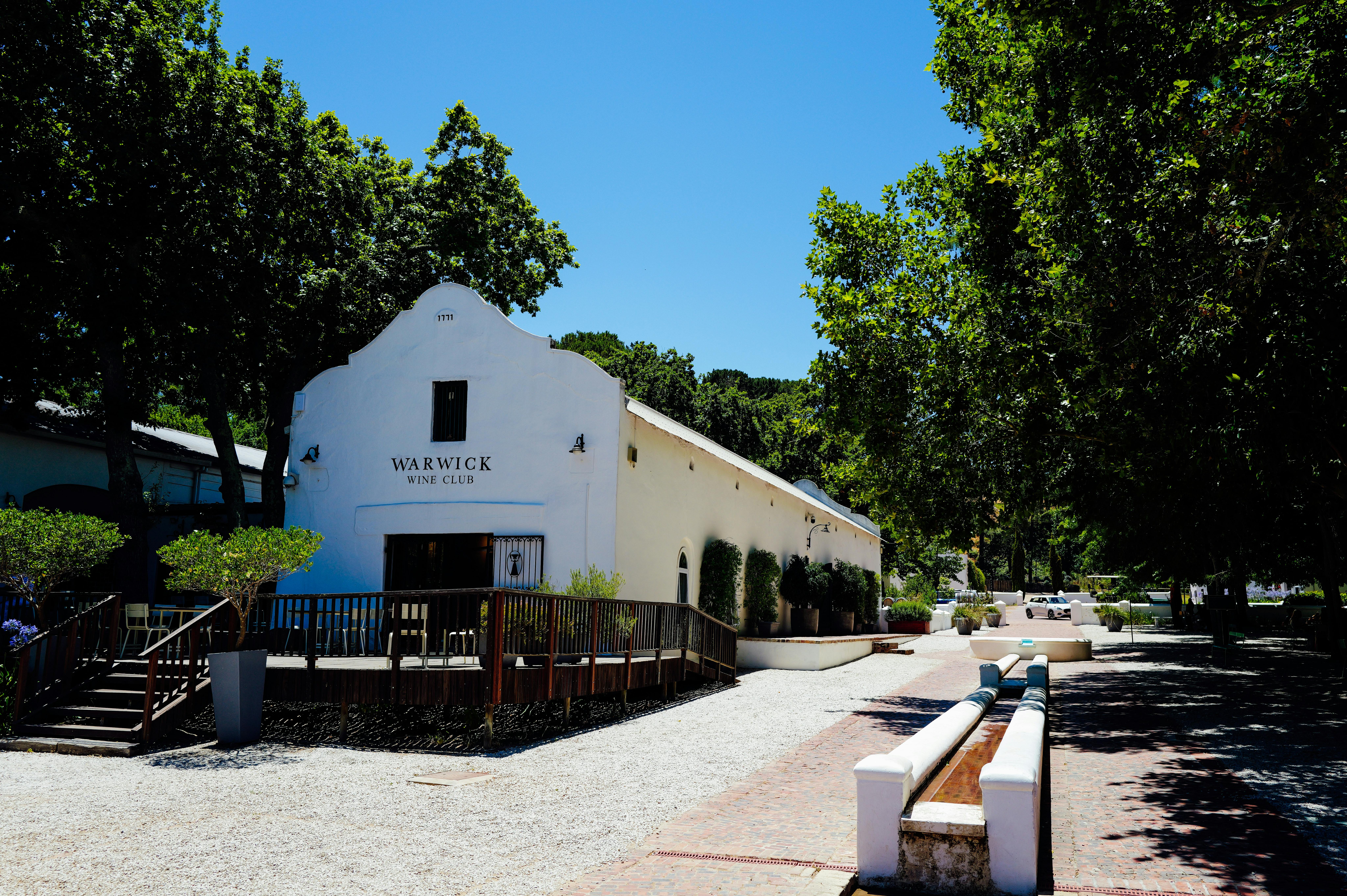
Instead of pouring wine as the main event, cutting-edge estates treat the wine as a single component of a broader terroir narrative.
The Indigenous Pairing: We investigated experiences where Cap Classique (South Africa's traditional method sparkling wine) is paired with locally foraged Fynbos (the indigenous heathland vegetation unique to the Cape). Others offer artisanal salt pairings, where specific salinity levels are used to manipulate the tannin structure of a bold Cabernet Sauvignon on your palate. These are not drop-in activities; they require booking weeks in advance and effectively replace lunch or dinner as a 2-to-3 hour sensory masterclass.
Journalistic integrity requires highlighting the logistical friction points that tourism brochures omit. The most glaring issue in Stellenbosch is safe transit.
⚠️ Logistical Notice: The Uber Trap
Many travelers assume they can simply call an Uber to hop between remote wine estates. While Uber works perfectly in Cape Town and the immediate town center of Stellenbosch, the algorithm breaks down in the outer farming valleys (like Banhoek or Devon Valley). You may get dropped off at a beautiful estate, only to find zero cars available for your return trip, leaving you stranded.
The Solution: If you are partaking in wine tasting, South Africa’s strict drink-driving laws mean self-driving is off the table. Pre-book a local private driver for the day (roughly $70-$100 USD), or utilize the Vine Hopper, a localized hop-on-hop-off safari-style vehicle that operates on set routes through the valleys.
Investigative FAQ
Yes, it is only a 45-minute drive. However, a day trip forces you into a rushed, superficial itinerary. Our on-the-ground audit strongly recommends at least a two-night farm stay to genuinely understand the region's agrarian rhythm.
Uber is prevalent in the town center of Stellenbosch, but becomes highly unreliable once you venture out to the remote wine estates. Pre-booking a local driver or using the Vine Hopper hop-on-hop-off service is a safer logistical choice if you plan on drinking.
For standard tastings at massive commercial estates, walk-ins are usually fine. But for the bespoke culinary pairings (like salt or indigenous fynbos pairings) and high-end estate restaurants, booking weeks in advance is absolutely essential.
Upgrade Your Winelands Itinerary 🍷
Bypass the generic day tours. Access exclusive rates for working farm stays and reserve highly sought-after culinary pairing experiences.
Audit Private Experiences Check Estate Lodgings